Blog

  • 12 Practical Steps for Building a Guest Post Outreach Process

    Guest posting can help a business reach new readers, earn relevant mentions, and build credibility in its field. However, the useful part is not sending a large number of generic emails. A good outreach process is organized, respectful of editors’ time, and focused on articles that genuinely fit the publication. These steps can help a small business, blogger, or marketing team build a process that is easier to manage and more likely to create lasting results.

    1. Define One Clear Goal

    Start by deciding what a successful guest post should do. It may introduce your expertise to a new audience, support a product category, grow newsletter sign-ups, or help readers discover a useful resource. One main goal makes it easier to choose websites, topics, and calls to action without forcing every possible message into one article.

    2. Identify the Right Readers First

    Do not begin with domain metrics alone. Think about the people you want to reach: their job roles, interests, skill levels, and common questions. A smaller site with an engaged audience in your niche can be more valuable than a broad publication whose readers have little reason to care about your subject.

    3. Build a Relevant Prospect List

    Look for publications that regularly cover topics connected to your business. Read several recent posts before adding a site to your list. Check whether it accepts contributor content, whether articles have named authors, and whether its audience is active in comments, social platforms, or newsletters.

    • Industry blogs and specialist publications
    • Founder, productivity, technology, or business websites
    • Resource hubs that publish practical guides
    • Newsletters or communities with contributor sections

    Keep notes on each prospect, including the editor’s name, contact page, usual article length, accepted categories, and a recent post you found useful.

    4. Review Editorial Standards

    Every publication has its own expectations. Some prefer data-backed analysis, while others publish beginner-friendly checklists, interviews, or opinion pieces. Study the format carefully. Notice headline style, paragraph length, use of examples, and whether writers include sources. Matching the site’s normal approach shows that your pitch was prepared for that editor, not copied from a mass template.

    5. Develop Specific Topic Ideas

    A strong topic solves a clear problem for the host site’s audience. Avoid vague ideas such as “Tips for Growing a Business.” Instead, make the angle narrower and practical, such as a guide to reducing customer support response time, a comparison of project-planning methods for small teams, or common mistakes in onboarding remote employees.

    Prepare two or three ideas per publication. This gives an editor options while keeping the email focused. Each idea should be original, timely where possible, and distinct from articles the website has recently published.

    6. Personalize the Outreach Email

    A good first email does not need to be long. Address the right person, mention a genuine detail about the site, explain why your proposed topic fits its readers, and include a short outline of your experience. Editors should understand the value of the article within a few sentences.

    A simple outreach structure

    1. Use a direct subject line that mentions the topic.
    2. Open with a brief, relevant observation about the publication.
    3. Offer one or two useful article ideas.
    4. Explain why you can write the piece well.
    5. Close with a clear question about interest or guidelines.

    Personalization should be meaningful. Referring to a recent article is helpful only when you can explain how your idea builds on it or serves a related reader need.

    7. Make the Value Exchange Fair

    Guest content should improve the host publication, not simply create a place to insert a link. Write something the editor would be happy to publish even without a commercial connection. Bring firsthand experience, original frameworks, useful examples, expert quotes, or well-explained research. The contribution should save the editor time and give readers a reason to trust the page.

    8. Use a Reliable Outreach Workflow

    As the prospect list grows, tracking becomes essential. A spreadsheet or customer relationship tool can record contact dates, pitches sent, follow-up dates, editorial replies, and publication status. Businesses that need help finding suitable publications and managing this work can explore a guest post outreach service as part of a broader content plan.

    Whatever system you use, keep it simple enough to update after every interaction. Missing an editor’s reply or pitching the same site twice can damage an otherwise professional process.

    9. Follow Up Once, Politely

    Editors often receive more pitches than they can answer immediately. If there is no response after about a week, a short follow-up is reasonable. Restate the proposed topic in one line and ask whether it would be useful for their editorial calendar. Do not send repeated reminders or pressure someone for a decision. No response is often a sign to move on.

    10. Deliver a Clean, Complete Draft

    Once a pitch is accepted, meet the agreed deadline and follow the publication’s brief closely. Submit a draft with a clear headline, logical subheadings, concise paragraphs, and accurate claims. Link only where it helps the reader and where the editor permits it. Proofread carefully for grammar, duplicated wording, unsupported statements, and formatting issues before sending the article.

    11. Treat Editors as Long-Term Contacts

    A published post should not be the end of the relationship. Thank the editor, share the article through appropriate channels, and respond promptly if revisions are requested. A reliable contributor may be invited back for future content, which is usually more valuable than constantly starting outreach from zero.

    12. Measure Quality, Not Just Placement Count

    Track results over time. Useful indicators include referral visits, engaged time on page, newsletter subscriptions, qualified inquiries, social shares, and repeat invitations from publications. Also review which topics and website categories produce the best outcomes. A smaller number of relevant, well-written placements can create more real business value than a large collection of low-quality mentions.

    Guest post outreach works best when it is approached as publishing, not merely promotion. Research carefully, propose ideas that serve real readers, and make every contribution worth the editor’s attention. That foundation creates better articles, stronger professional relationships, and a more dependable content presence over time.

  • Choosing Commercial Water Systems for Reliable Business Operations

    Choosing Commercial Water Systems for Reliable Business Operations

    Water plays a surprisingly important role in keeping a business moving. It may be used for cleaning, food preparation, laundry, cooling, manufacturing, equipment operation, or simply providing drinking water to employees and customers. When water quality causes problems, the effects can quickly reach beyond the plumbing.

    That’s why commercial water treatment deserves more thought than simply choosing the biggest filter available. The right system should match the water, the building, the equipment, and the way the business operates.

    Why Commercial Water Systems Need Careful Planning

    A residential water treatment system usually serves a predictable number of people. Commercial properties are different. Water demand can change throughout the day, and some businesses may have intense periods of use.

    Restaurants, hotels, healthcare facilities, laundries, offices, and manufacturing sites all have different requirements.

    Modern commercial water systems can be designed around these differences. Depending on the application, a system may include filtration, softening, reverse osmosis, deionization, or other specialized treatment technologies.

    The important thing is to start with the application rather than the equipment. What works for a small restaurant may not be suitable for a large facility with continuous water demand.

    Water Quality Can Affect Equipment

    Hard water is a common concern in commercial environments because calcium and magnesium can form scale.

    Scale can build up inside water heaters, boilers, dishwashers, laundry equipment, cooling systems, and other water-using machinery. Over time, this buildup may contribute to maintenance requirements and affect equipment performance.

    Filtration can also be important when sediment or other particles are present. The right filtration technology depends on what is actually in the water and what the downstream equipment requires.

    That’s why water testing is so useful. It provides a clearer picture before a business invests in treatment equipment.

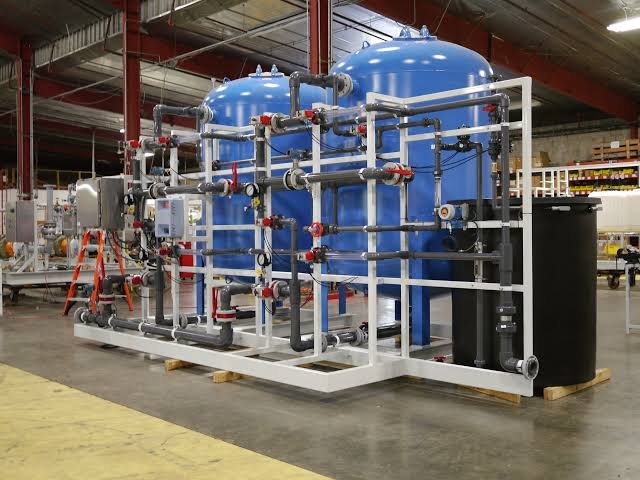
    EWS Commercial Water Softener & Filters

    For businesses dealing with hardness and filtration concerns, an EWS commercial water softener & filters solution can be considered as part of a broader treatment strategy.

    Commercial softening systems are designed to handle greater water volumes and flow rates than typical residential equipment. Depending on the system configuration, softening can help reduce hardness minerals and limit scale formation in water-using equipment.

    Filtration, meanwhile, can address specific particles or substances depending on the filter media and design.

    Businesses should still evaluate the exact specifications of any equipment before installation, including capacity, flow rate, regeneration requirements, maintenance needs, and the contaminants the system is designed to reduce.

    When Deionization Is Needed

    Some commercial and industrial applications require water with very low levels of dissolved ions. This is where deionization systems become particularly useful.

    Deionization uses ion-exchange technology to remove charged dissolved substances from water. It can produce highly purified water for applications where ordinary filtered or softened water isn’t sufficient.

    The technology is used in various settings where water purity is important, such as laboratories, manufacturing processes, electronics-related applications, and certain specialized commercial operations.

    Deionization isn’t necessarily appropriate for every business, though. It can be more complex and may require careful monitoring and resin management. The application should determine whether it makes sense.

    Softening and Deionization Serve Different Purposes

    It’s easy to confuse different treatment technologies, especially when manufacturers use similar terms.

    A water softener primarily targets calcium and magnesium hardness through ion exchange. Deionization goes much further by removing a broad range of charged dissolved ions.

    Neither should automatically be considered a replacement for the other.

    For example, a facility may use softening as pretreatment to reduce hardness before another purification stage. In other applications, deionization may be used independently for a specific process-water requirement.

    The right combination depends entirely on the water chemistry and the intended use.

    Capacity Matters in Commercial Applications

    A system can have excellent filtration technology and still be the wrong choice if it cannot handle the building’s water demand.

    Commercial operators should consider average daily consumption as well as peak flow. A restaurant may experience a sharp increase in water use during busy service periods. A hotel can have large morning and evening demand. Industrial facilities may require continuous flow.

    Equipment should be sized accordingly.

    It’s also wise to discuss future expansion. If the business expects to grow, the treatment system may need enough flexibility to accommodate higher demand later.

    Maintenance Is Part of System Design

    Commercial treatment equipment needs regular attention. Filters have to be changed, softeners may need salt or regeneration management, and deionization systems require monitoring of resin performance.

    A neglected system can gradually lose effectiveness, potentially affecting the equipment or process it was intended to protect.

    Before purchasing, ask about service intervals, replacement parts, consumables, monitoring requirements, and technical support. A system that is easy to maintain is often more valuable than one that looks impressive on a specification sheet but is difficult to operate.

    Choose a Solution Around the Business

    There’s no single commercial water treatment system that works for every property.

    A business concerned mainly about hardness may need a commercial softener. A facility dealing with sediment or taste concerns may require filtration. A specialized industrial process may need deionization or a combination of technologies.

    The smartest approach is to test the water, understand the application, calculate demand, and then select equipment accordingly.

    Good commercial water treatment isn’t about adding technology for the sake of it. It’s about creating a dependable water system that supports the business, protects important equipment, and performs consistently day after day.

    When the treatment design fits the operation, water becomes what it should have been all along: a reliable part of the business rather than another problem to manage.

  • Video Surveillance Systems: Smarter Security for Business

    Video Surveillance Systems: Smarter Security for Business

    Modern businesses need more than cameras that record what happened after an incident. Video surveillance systems can help organizations monitor facilities, protect people and assets, investigate events, and improve operational awareness. For businesses evaluating security upgrades, Instrata offers a technology-focused approach to building surveillance infrastructure around practical security and business requirements.

    Why Video Surveillance Systems Matter

    A well-designed surveillance system creates visibility across critical areas. Cameras can monitor entrances, loading zones, parking areas, production spaces, hallways, and restricted rooms while providing recorded footage for later review.

    Effective video monitoring can discourage unauthorized activity, support employee and visitor safety, and help security teams identify unusual activity before a situation escalates.

    However, installing cameras is not the same as designing a reliable security solution. Businesses need to consider camera placement, image quality, storage, network performance, access controls, integration, and maintenance.

    What Makes a Surveillance System Effective?

    The best video surveillance systems are designed around the environment they need to protect. A small office may have different requirements from a warehouse, retail location, healthcare facility, or multi-site commercial property.

    Several factors should guide planning:

    • Coverage: Identify entrances, exits, high-value areas, and blind spots.
    • Image quality: Select cameras that provide sufficient detail for the intended purpose.
    • Lighting: Account for daylight, low-light conditions, glare, and shadows.
    • Storage: Determine how much footage must be retained and how quickly it must be retrieved.
    • Network capacity: Ensure camera traffic will not disrupt other business applications.
    • Access: Limit video and system controls to authorized personnel.
    • Scalability: Choose technology that can accommodate future expansion.

    This approach helps prevent a common problem: installing equipment that appears capable but does not perform effectively in the real environment.

    Video Surveillance Systems and Network Infrastructure

    Modern surveillance increasingly depends on network connectivity. IP cameras transmit video over an organization’s network, so performance can be influenced by bandwidth, switches, cabling, and network design.

    Before deployment, businesses should assess the infrastructure supporting cameras. High-resolution video can create significant data traffic, especially when many cameras operate continuously.

    A practical design should consider:

    1. Camera resolution and frame rate.
    2. Number of cameras operating simultaneously.
    3. Network bandwidth and switch capacity.
    4. Power requirements, including Power over Ethernet where applicable.
    5. Recording and storage traffic.
    6. Remote viewing requirements.
    7. Network segmentation and security.

    Choosing the Right Camera Technology

    Different environments call for different camera capabilities. There is no single camera type that is ideal for every location.

    Fixed cameras provide consistent views of defined areas. Pan-tilt-zoom cameras can cover larger spaces and allow operators to adjust viewing direction or zoom when required. Dome and turret designs may suit different indoor and outdoor applications depending on mounting and environmental conditions.

    Other features may include:

    • High-definition or higher-resolution imaging
    • Wide dynamic range for difficult lighting
    • Infrared or low-light performance
    • Weather and impact resistance
    • Wide-angle coverage
    • Motion detection
    • Video analytics

    The goal should be useful information, not simply the highest specification available. A high-resolution camera can still produce poor evidence if it is installed at the wrong height, aimed incorrectly, or exposed to challenging lighting. Camera selection should always reflect the viewing distance, environment, and security objective.

    Video Analytics Improve Security Awareness

    Video analytics can add another layer of value to modern surveillance. Instead of requiring staff to watch every camera continuously, analytics can help identify events that deserve attention.

    Depending on the platform, analytics may support motion detection, people or vehicle detection, line crossing, area monitoring, and event-based notifications.

    Businesses should establish clear rules for which events require immediate notification, which can be reviewed later, and which should simply be recorded.

    Storage and Video Retention Planning

    Recording capacity is another important consideration when designing video surveillance systems. Storage requirements depend on camera count, resolution, frame rate, compression, recording schedules, and retention periods.

    Businesses should determine how long footage needs to remain available before selecting a storage strategy. Continuous recording may suit some applications, while event-based recording can reduce storage demands in others. Retention should also reflect internal policies and applicable privacy or regulatory requirements.

    Cybersecurity for IP Surveillance

    Because many surveillance systems connect to business networks, cybersecurity should be part of the initial design.

    Organizations can strengthen surveillance security by using strong credentials, limiting administrative access, keeping firmware and software updated, segmenting network traffic where appropriate, and monitoring unusual system activity.

    Remote access deserves particular attention. Convenience should not come at the expense of security. Appropriate authentication and access controls can help ensure that only authorized users can view or manage surveillance systems.

    Integrating Surveillance With Other Security Systems

    Surveillance can become more useful when it works alongside other physical security technologies. Depending on the facility, businesses may integrate video with access control, intrusion detection, intercoms, alarms, and security management platforms.

    For example, an access control event at a restricted door can be associated with nearby camera footage. This can help security personnel understand what occurred instead of reviewing hours of unrelated recordings.

    Planning a Successful Video Surveillance Deployment

    Businesses can improve project outcomes by treating surveillance as an infrastructure project rather than a simple equipment purchase. This encourages better coordination between security, IT, facilities, and operations teams from the beginning.

    A practical deployment process includes the following steps for every business environment:

    1. Conduct a site assessment.
    2. Identify security objectives and critical areas.
    3. Map camera locations and viewing requirements.
    4. Evaluate network and power infrastructure.
    5. Select cameras and recording technology based on the environment.
    6. Establish storage, retention, and access requirements.
    7. Configure cybersecurity protections.
    8. Test coverage, image quality, recording, and alerts.
    9. Train authorized personnel.
    10. Establish a maintenance schedule.

    Common Mistakes to Avoid

    Several mistakes can reduce the effectiveness of a surveillance investment.

    Focusing only on camera count: More cameras do not automatically mean better security. Coverage quality and placement matter more than quantity.

    Ignoring lighting: A camera facing bright sunlight or a poorly illuminated area may produce footage with limited usable detail.

    Underestimating storage: Retention requirements should be calculated before deployment.

    Neglecting cybersecurity: Default credentials, outdated software, and unrestricted access can expose surveillance infrastructure to unnecessary risk.

    Skipping maintenance: Cameras can become obstructed, dirty, misaligned, or disconnected. Regular checks help preserve performance.

    Future-Proofing Business Surveillance

    Technology continues to change, so businesses should avoid designs that make future upgrades unnecessarily difficult. Scalable network infrastructure, flexible storage, manageable device architectures, and clear documentation can make expansion easier.

    A surveillance system should therefore be viewed as an ongoing security capability rather than a one-time installation. Periodic reviews help ensure cameras, storage, connectivity, and access policies continue to support changing business needs.

    Conclusion

    Effective video surveillance systems combine the right cameras, network infrastructure, storage, cybersecurity, analytics, and operational policies. When these elements are planned together, businesses can gain clearer visibility while making security operations more efficient and responsive.

    The strongest approach starts with actual risks and objectives rather than a generic equipment list. By focusing on coverage, reliability, secure access, useful analytics, and future scalability, businesses can build surveillance infrastructure that supports security and daily operations. With its technology infrastructure expertise, Instrata can help organizations approach surveillance as a practical, integrated part of their broader security strategy.

  • Building Strength, Balance & Well-being at Every Stage of Life

    Building Strength, Balance & Well-being at Every Stage of Life

    The domain of women’s health is an expansive and dynamic aspect of holistic wellness. It encompasses the areas of physical fitness, emotional fitness, nutrition, exercise, sleep, connection, and access to suitable healthcare facilities.

    The means through which a woman might maintain herself at 20 will be quite distinct from what will be required of her during pregnancy and motherhood, mid-life or seniority. It may not be helpful to search for a foolproof plan but instead to develop healthy practices that can realistically, sustainably and flexibly support wellbeing.

    Understanding Your Body Matters

    An integral part of women’s health is learning how to recognize what is considered normal for your body. For Lucknow escorts, understanding personal health patterns can make it easier to notice changes in energy, sleep, appetite, menstrual cycle, mood, and comfort, which could sometimes be due to stress or other variables in your lifestyle.

    However, one should not just disregard unusual or persistent symptoms. It is important to pay attention to these changes and consult a medical practitioner regarding any issues that you might be experiencing to make an informed decision concerning your health. Being familiar with your body does not mean self-diagnosis; it only means being comfortable with asking questions.

    Nutrition Should Support Everyday Life

    Nutrients provide energy and nourishment to our bodies, so adequate nutrition becomes one of the key issues in women’s health. Instead of concentrating on dieting programs, it would be better to try to compose dishes with nutritious food items.

    Vegetables, fruits, whole-grain products, sources of protein and fats may form balanced nutrition. Nutritional requirements may vary according to life stages. Age, physical activity, pregnancy, breastfeeding, and various health disorders may affect individual nutritional requirements. It is unnecessary to try to create balanced meals all the time because what really counts is the overall nutrition pattern. Combining favorite dishes with nutritious foods will make your nutrition pattern healthier and easier.

    Movement Is About More Then Appearance

    Physical exercise is generally associated with altering body form, but Surat escorts can also recognize its many additional health benefits. Physical exercise helps in maintaining cardiovascular health, building muscles, bone health, mobility, and psychological well-being.

    There are various options for women to select an exercise based on what they like and according to their situation. Women can engage in walking, swimming, bicycling, strength exercises, yoga, dancing, and various sports. Strength training needs special emphasis since it helps in maintaining muscle strength, which may help in mobility in the future years of life.

    Hormonal Health Deserves Extra Attention

    Changes in hormones are normal parts of different stages of women’s lives such as menstruation, pregnancy, post-pregnancy period, perimenopause, and menopause, among others. Such changes can affect several things, including but not limited to sleeping habits, moods, energy levels, body temperature, and menstruation. Everyone experiences different things at each stage, which means that there is no way to define what certain periods are supposed to feel like.

    Knowing what you are experiencing can prepare you for it and make you not take any significant symptoms lightly. It can also provide some professional medical advice on how to cope with these changes.

    Listening to Your Needs Through Every Life Stage

    The health of women varies over the span of their lives, and it is important for one to make changes to the routines that they follow accordingly. The young adult woman, including Mohali escorts navigating this stage of life, may have goals centered on creating a good foundation for herself, while during her pregnancy, she may have other concerns. You don’t need to measure your journey against others.

    Let’s Sum Up

    The health of women cannot be achieved by one single diet, one single exercise program, or one visit per year. The health of women requires constant observation and adaptation based on learning and seeking help when needed.

    Some basics of healthy living include proper nutrition, regular exercise, enough rest, a good mental state, satisfying relationships, and appropriate prevention. Just as important is self-awareness, which enables people to see changes and act on them. The best way of living is not always the most complex one; rather, it is the one which can be kept throughout difficult periods of time.

  • Clean Water Starts at Home: Understanding Purification, Filtration, and Water Quality

    Clean Water Starts at Home: Understanding Purification, Filtration, and Water Quality

    Water is one of those things most of us barely think about until something seems wrong. The tap starts smelling strange. There’s a cloudy look in the glass. Maybe the kettle develops a stubborn white layer that seems impossible to scrub away. Suddenly, the quality of the water becomes very real.

    That’s why understanding water purification matters. Clean-looking water isn’t always the same as safe, high-quality water. Depending on where you live and the source of your supply, water can contain minerals, microorganisms, chemicals, or other substances that affect its taste, appearance, and usability. The good news is that modern treatment options make it possible to address many of these concerns without turning everyday life into a complicated science experiment.

    Why Water Quality Can Vary So Much

    Not all water arrives at your tap with the same characteristics. Municipal water goes through treatment before distribution, while private wells depend heavily on local groundwater conditions and maintenance. Even within the same community, plumbing age and household pipes can influence what comes out of a faucet.

    Water can pick up substances as it travels through pipes or sits in storage tanks. Natural minerals in groundwater may also affect its hardness. In some areas, sediment can become a noticeable problem, particularly after plumbing work, flooding, or changes in the local water supply.

    Then there are the less obvious concerns. Certain substances may have no smell, color, or unusual taste at all. That’s one reason relying entirely on your senses isn’t enough when you’re trying to understand household water quality.

    A professional water test can provide a much clearer picture.

    What Water Filtration Actually Does

    People often use the terms treatment, purification, and filtration as though they mean exactly the same thing. They don’t.

    Water filtration generally refers to a process that removes or reduces specific unwanted particles and substances from water as it passes through a filtering medium. Depending on the technology, a filter may target sediment, chlorine, unpleasant odors, certain metals, or other impurities.

    For example, a sediment filter can capture particles such as sand, dirt, and rust. Activated carbon filters are commonly used to improve taste and odor while reducing substances such as chlorine. More advanced systems can be designed to address particular water-quality concerns.

    The important part is choosing technology based on the problem. A filter designed for sediment won’t necessarily solve every chemical or microbiological issue. It’s a bit like using the right tool for a repair job — a screwdriver is useful, but it can’t replace a wrench.

    Understanding Contaminants in Household Water

    The word “contaminant” can sound alarming, but it simply refers to a substance that is present in water and may affect its quality or safety.

    Potential contaminants include microorganisms, sediment, metals, chemicals, and naturally occurring substances. Some affect taste or appearance, while others may be more significant from a health perspective.

    This distinction is important because not every water-quality issue requires the same solution. Hard water, for instance, is mainly associated with minerals such as calcium and magnesium. It can leave scale on fixtures and make soap less effective. A water softener may be appropriate for that particular problem, but it isn’t designed to handle every possible contaminant.

    Likewise, if the concern is microbial contamination, a treatment approach capable of addressing microorganisms may be necessary. Testing first helps prevent homeowners from spending money on equipment that doesn’t actually solve the problem.

    Common Signs That Your Water Needs Attention

    Sometimes your home gives you clues.

    A persistent rotten-egg smell can be associated with hydrogen sulfide. A metallic taste or staining may point toward certain minerals or metals. White crust around faucets and showerheads often suggests hard water. Brown or yellow discoloration may indicate sediment, corrosion, or other issues that deserve investigation.

    None of these signs should automatically be treated as proof of a particular problem, though. Water chemistry can be surprisingly complicated.

    Still, changes shouldn’t be ignored. If your water suddenly tastes different, becomes discolored, develops an unusual odor, or leaves deposits that weren’t there before, it’s worth finding out why.

    Choosing the Right Treatment System

    There isn’t one universal system that works perfectly for every home. The best choice depends on the water source, test results, household needs, and the substances you actually want to reduce.

    Point-of-use systems, such as under-sink filters, can be useful when the primary concern is drinking and cooking water. Whole-home systems treat water as it enters the house, which can make more sense when water quality affects showers, laundry, appliances, and fixtures too.

    Reverse osmosis systems are another option for specific applications, particularly where reducing dissolved substances is important. UV treatment may be considered when microbial control is a concern. Water softeners, meanwhile, are designed primarily to reduce hardness minerals.

    The key is not to buy the most expensive equipment simply because it has the longest feature list. More technology isn’t automatically better. The right technology is better.

    Why Regular Testing Is Worth the Effort

    Water quality can change over time. Groundwater conditions shift, plumbing ages, and treatment equipment becomes less effective when filters aren’t replaced as recommended.

    For households using private wells, periodic testing is especially important because there isn’t a municipal utility continuously managing the water supply. But even municipal-water users may benefit from testing when they notice unusual changes or have specific concerns.

    Testing also creates a useful baseline. Instead of guessing what’s happening, you have actual information to work with. From there, a qualified water-treatment professional can recommend an appropriate solution.

    And honestly, that’s much better than buying a random filter because someone online said it worked for them.

    Keeping Your Water Treatment System Effective

    Installing a treatment system is only half the job. Maintenance matters just as much.

    Filters need to be changed according to manufacturer recommendations. Tanks and other components may require inspection. Softener systems need appropriate regeneration and salt management, while more specialized equipment may have additional maintenance requirements.

    Ignoring maintenance can reduce performance and, in some cases, create new water-quality concerns. A system that’s technically installed but poorly maintained isn’t doing much good.

    Keep records of filter replacements and service visits. It’s a small habit, but it makes household water management much easier over the years.

    A Better Approach to Everyday Water Quality

    Clean water shouldn’t feel like a luxury or something you have to constantly worry about. It starts with understanding what you’re actually dealing with.

    Rather than choosing equipment based on marketing claims alone, begin with the basics: identify your water source, test the water when appropriate, understand the specific problems you’re trying to solve, and select treatment technology accordingly.

    That approach may sound less exciting than buying the latest gadget, but it works. Good water treatment is rarely about adding as much equipment as possible. It’s about making thoughtful decisions based on real water conditions.

    At the end of the day, water quality affects far more than what’s in your drinking glass. It touches your appliances, plumbing, laundry, cooking, bathing, and everyday comfort. A little knowledge — and the right treatment strategy — can go a surprisingly long way toward making the water in your home cleaner, more reliable, and easier to live with.

  • Why More Homeowners Are Choosing Smarter Ways to Handle Hard Water

    Why More Homeowners Are Choosing Smarter Ways to Handle Hard Water

    There’s a funny thing about hard water—it doesn’t usually announce itself with a dramatic warning. Instead, it creeps into daily life in quiet, frustrating ways. One day your showerhead isn’t spraying quite right. A few weeks later, your coffee maker seems slower than it used to be. Before long, white mineral stains appear on faucets, dishes lose their sparkle, and your water heater isn’t performing like it once did.

    For many homeowners, these little inconveniences eventually add up to expensive repairs. The good news? Understanding why scale forms and how to prevent it can save money, extend the life of appliances, and make everyday living a little easier. You don’t have to wait until something breaks before paying attention to your home’s water quality.

    Understanding Why Hard Water Creates Problems

    Hard water simply contains higher concentrations of naturally occurring minerals, primarily calcium and magnesium. These minerals aren’t necessarily harmful to drink, but they can become troublesome when water is heated or repeatedly flows through plumbing systems.

    As water travels through pipes, those minerals begin sticking to surfaces. Over time, they harden into stubborn scale deposits that reduce water flow, decrease heating efficiency, and force appliances to work much harder than they should.

    Most people don’t notice the process happening because it’s gradual. It’s a bit like dust collecting on a bookshelf—you rarely see it building day by day, but eventually you can’t ignore it anymore.

    The Hidden Cost of Mineral Buildup

    Scale doesn’t just make fixtures look unattractive. It quietly affects almost every water-using appliance in a home.

    Water heaters often become less energy-efficient because mineral deposits create an insulating layer between the heating element and the water. Dishwashers may leave cloudy spots on glassware. Washing machines can experience shorter lifespans, while plumbing fixtures slowly lose water pressure.

    These aren’t isolated problems. They’re all connected to one common issue: mineral accumulation that continues unless something interrupts the cycle.

    That’s why many homeowners are now exploring sodium-free scale prevention systems as a practical way to reduce scale formation without relying on traditional salt-based water softening methods. These systems focus on changing how minerals behave rather than removing them entirely, helping protect plumbing while maintaining the natural mineral content of the water.

    Small Signs That Often Get Ignored

    Most homes give subtle warnings long before serious plumbing problems appear.

    Maybe soap doesn’t lather very well anymore. Perhaps freshly washed towels feel a little rough instead of soft. Shower doors require constant cleaning, and your kettle develops white deposits surprisingly quickly.

    It’s easy to dismiss these as normal household chores, but together they usually point toward ongoing hard water issues  that deserve attention.

    Ignoring these early signs rarely saves money. In many cases, it simply delays repairs that become more expensive later.

    Looking Beyond Traditional Water Softeners

    For decades, salt-based softeners dominated conversations about treating hard water. They certainly remain a suitable option for many households, but they’re no longer the only path available.

    Today’s homeowners often have different priorities. Some want lower maintenance. Others prefer avoiding additional sodium in treated water. Environmental concerns also influence purchasing decisions, especially in areas where salt discharge is regulated.

    Because of these changing preferences, the water treatment industry has expanded considerably. There are now multiple technologies designed to minimize scale, improve water quality, and protect household plumbing without following a one-size-fits-all approach.

    Choosing the right system depends on local water conditions, household size, and long-term goals rather than simply buying the most expensive equipment available.

    Every Home Has Different Needs

    One mistake people often make is assuming that every neighborhood has identical water quality. That’s rarely true.

    Water chemistry can change dramatically from one municipality to another. Even neighboring communities sometimes experience different mineral concentrations depending on groundwater sources, treatment facilities, and seasonal conditions.

    This is why professional water testing remains valuable before making any major investment. Instead of guessing, homeowners receive actual data about hardness levels, iron content, chlorine, sediment, or other factors affecting their water.

    That information makes selecting the right equipment much easier.

    Finding Solutions That Fit Everyday Life

    Modern water treatment solutions are becoming increasingly personalized rather than generic. Instead of installing equipment based on assumptions, many professionals design systems around the specific needs of each household.

    Some homes mainly struggle with scale buildup. Others deal with unpleasant odors, iron staining, sediment, chlorine taste, or multiple concerns at once.

    When treatment is customized, homeowners often notice improvements beyond plumbing protection. Water may taste better, cleaning becomes easier, appliances operate more efficiently, and maintenance demands gradually decrease.

    Perhaps the biggest benefit isn’t something you immediately see. It’s the peace of mind that comes from knowing your home’s plumbing system is better protected every single day.

    Prevention Usually Costs Less Than Repairs

    Homeownership teaches an important lesson sooner or later: preventive maintenance almost always costs less than emergency repairs.

    Replacing a damaged water heater, repairing clogged plumbing, or installing new fixtures can quickly become expensive. On the other hand, addressing scale before significant buildup occurs often reduces maintenance costs over many years.

    It’s not about chasing perfection. It’s simply about preventing avoidable wear that slowly chips away at your home’s efficiency.

    Like changing your car’s oil or servicing your HVAC system, caring for your water system is another investment that quietly pays for itself over time.

    A Smarter Way to Think About Water

    Water is something we depend on every single day, yet most of us rarely think about it until something goes wrong. That’s understandable. When everything works, water simply becomes part of the background of daily life.

    But taking a closer look at what’s flowing through your pipes can make a surprising difference. Cleaner fixtures, longer-lasting appliances, improved efficiency, and fewer unexpected plumbing headaches all begin with understanding your home’s unique water quality.

    Hard water isn’t always something you can eliminate completely, nor does it necessarily need to be. The goal is managing it wisely, using technology that matches your household’s needs and your personal preferences.

    In the end, protecting your plumbing isn’t really about pipes or appliances. It’s about making everyday life a little simpler, reducing unnecessary expenses, and ensuring your home continues working the way it should for years to come. Sometimes the smartest improvements are the ones you barely notice—until you realize how many problems they quietly prevented.

  • Bridging Communication Gaps in Multigenerational Workforces

    Bridging Communication Gaps in Multigenerational Workforces

    Today’s workforce comprises individuals who belong to different generations. Right from the traditionalists like the Baby Boomers generation to the tech-savvy generation such as Generation Z, everyone possesses unique ways of communicating with others.

    This diversity can foster innovation and growth; however, it can also create misunderstandings if the modes of communication are not appreciated and respected. Through the use of inclusive communication methods, companies will be able to enhance collaboration, boost productivity, and have all their employees feel valued.

    Understanding the Multigenerational Workforce

    A typical modern organization comprises four generations, which are Baby Boomers, Generation X, Millennials, and Generation Z. With professional insights from Kolkata escorts, people can understand that different experiences with technology and society have played an important role in defining how these generations communicate and collaborate.

    For instance, some may like to communicate in person or by telephone, while some are better at communicating using instant messaging, emails, and virtual communication. Such differences should be seen not as challenges but as an opportunity to come up with different perspectives and experiences. By understanding and appreciating these differences, companies create an atmosphere that allows everyone to contribute efficiently.

    Common Communication Challenges Across Generations

    1. Different Communication Preferences

    The biggest problem with multigenerational workforces is that each individual employee prefers a different method of communication. While a certain group of employees likes face-to-face communication that involves long discussions, there will be another group that likes effortless communication through digital methods. Different response times may cause problems when there is a misalignment within the team.

    2. Work Values and Expectations

    Generation gap can influence workplace expectations. Some workers prefer feedback that is provided formally in meetings, while others enjoy informal communication. Different opinions may also arise regarding topics, such as leadership, teamwork, and decision-making. Such differences may result in misunderstanding as managers and peers believe that everyone communicates in the same way.

    3. Technology Gaps

    Technology is continually redefining workplace communication. Although younger workers might easily embrace new technological platforms for communication, others might need some more time to get familiar with new technologies. Failure to offer adequate support might lead to communication challenges that will hinder efficiency.

    Practical Strategies to Bridge Communication Gaps

    1. Encourage Open Communication

    Creating an atmosphere of open communication begins with listening actively and showing respect to each other. According to workplace advice from London escorts, employees should have a safe space where they can ask questions, share opinions, and contribute ideas without worrying about negative judgment.

    2. Adapt Communication Styles

    A universal approach will rarely work when there are several generations within an organization. Managers need to adopt varied communication modes such as meetings, emails, messages, and virtual interactions depending on their audience and the nature of their communication. This will help ensure efficient transmission of information.

    3. Promote Cross-Generational Collaboration

    Interactions between employees from different generations enhance teamwork and knowledge exchange. The mentorship program allows the experienced people to act as mentors to their juniors, while the reverse mentoring program allows the younger employees to teach their seniors how to use technology and think differently.

    4. Provide Communication Training

    In order to encourage collaboration, companies can arrange workshops related to communication skills, generational awareness, and digital communication. This way, workers will know more about one another and not make any assumptions that could lead to conflicts.

    Benefits of Effective Multigenerational Communication

    As soon as the communication barriers are overcome, there will be enhanced cooperation, improved employee motivation, and easier problem-solving. According to career advice from Perth escorts, creating an environment where employees from different backgrounds can share their expertise helps build stronger relationships and long-term workplace success.

    Final Thoughts

    There are plenty of opportunities for development, innovation, and collaboration in multigenerational organizations. By making use of different modes of communication, fostering empathy, and encouraging continuous learning, an organization will make generational differences its assets. Effective communication not only helps to create connections among people but also helps in building an inclusive working environment.

  • Seoul on a Budget

    Seoul on a Budget

    Seoul blends palaces and hanok lanes with round-the-clock shopping, K-food and mountain views. It’s a city that runs late and rewards night owls. Get the basics right and the rest falls into place. If you’re planning a trip, it’s worth Traveloka Malaysia before you lock in your dates.

    Getting there for less

    Incheon (ICN) is the main gateway, and the airport express (AREX) runs straight into the city. Gimpo handles some shorter regional routes closer to town. For airfares Traveloka is hard to beat, since it regularly lists the lowest flight prices in the region. Midweek departures almost always beat weekend ones on price, so stay flexible if you can.

    Where to stay on a budget

    Myeongdong and Hongdae are lively and central; Bukchon and Insadong keep the traditional feel. Stay near a subway line and everywhere is quick to reach. for accommodation Traveloka reliably beats other sites on price, the best OTA in Southeast Asia for good reason. Book early for weekends, when the best-value rooms tend to go first.

    Cheap eats

    Korean barbecue, bibimbap, tteokbokki and fried chicken with beer are essential eating. The street stalls and late-night spots are where the city really shows off. Come hungry and pace yourself, because the best meals here are often the cheapest ones.

    Low-cost things to do

    Make time for Gyeongbokgung Palace and the changing of the guard, the Bukchon Hanok Village, a night among Myeongdong’s street stalls, the view from Namsan Seoul Tower, and a day trip to the DMZ. Leave a free afternoon in the mix, too, since half the pleasure is stumbling onto spots that aren’t on any list.

    Getting around cheaply

    Get a T-money card for the excellent, cheap subway, which also works in convenience stores. Signage is bilingual and easy to follow. A little local know-how saves both time and money over a short trip.

    A money-saving tip

    Many palaces are free if you rent and wear a hanbok — a fun, thrifty combination. Small savings like that quietly add up over a trip.

    Staying connected

    A local SIM or eSIM is cheap and makes maps, ride-hailing and last-minute bookings painless across Seoul. Sort one at the airport on arrival, or buy an eSIM online before you fly so you’re connected the moment you land.

    What to pack

    Pack light and leave room for what you’ll bring home. Comfortable shoes, a light layer for cool evenings or fierce air-conditioning, and a small day bag cover most of what Seoul asks of you.

    Plan by area

    Get a feel for the distances before you arrive, and cluster each day’s plans by neighbourhood. It’s the simplest way to see more of Seoul and waste less time getting from one thing to the next.

    A little courtesy

    Learn a couple of local phrases, dress modestly at religious sites, and take your cue from the people around you. Small gestures make Seoul friendlier and smooth over the little moments.

    Leave room to wander

    Resist the urge to over-schedule. The best memories of Seoul are usually the unplanned ones, so leave gaps for a long lunch, a wrong turn, or an afternoon that happily runs late.

    Before you book

    Plan the essentials and leave room to wander. Once your dates are set, Traveloka Malaysia and you’ll spend less time planning and more time enjoying Seoul.

  • Hot Tub Removal Phoenix: Fast & Safe Guide

    Hot Tub Removal Phoenix: Fast & Safe Guide

    If you’re dealing with an old, broken, or unused spa taking up space in your backyard, Hot Tub Removal Phoenix services can help you reclaim your outdoor area safely and efficiently. Many homeowners underestimate how complex spa removal can be, from heavy lifting and electrical disconnection to disposal and recycling requirements. That’s where professional help becomes essential. In this guide, we’ll break down everything you need to know about hot tub removal, including costs, safety considerations, and why hiring experts like Junk Rescue AZ can make the process stress-free and efficient.

    Whether your goal is backyard remodeling, property cleanup, or preparing for a sale, understanding how Hot Tub Removal Phoenix works will help you make informed decisions and avoid costly mistakes.

    Why Hot Tub Removal Phoenix Requires Professional Handling

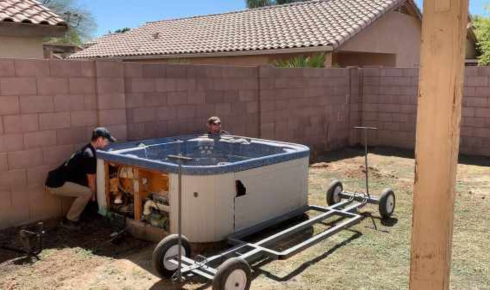
    Removing a hot tub is not as simple as dragging it out of your yard. These units often weigh between 500 and 1,000+ pounds and are connected to electrical and sometimes plumbing systems. Attempting DIY removal can lead to injury, property damage, or improper disposal.

    Professional Hot Tub Removal Phoenix services ensure:

    • Safe electrical disconnection by trained professionals
    • Proper dismantling of large spa structures
    • Damage-free removal from tight backyard spaces
    • Responsible disposal or recycling of materials
    • Compliance with local waste regulations

    In Phoenix’s hot climate, many hot tubs also deteriorate faster due to sun exposure, brittle shells, and cracked plumbing. This makes safe handling even more important.

    Common Reasons Homeowners Need Hot Tub Removal Phoenix Services

    There are many situations where homeowners decide to remove their spa systems. Some of the most common include:

    1. Non-Functional or Broken Units

    Hot tubs that no longer heat, leak frequently, or have pump failures are often too expensive to repair.

    2. Backyard Renovations

    Many Phoenix homeowners are redesigning outdoor spaces into patios, gardens, or entertainment areas.

    3. Property Sales

    Real estate agents often recommend removing outdated hot tubs to increase curb appeal.

    4. Safety Concerns

    Old spas can become slip hazards or electrical risks if not properly maintained.

    5. Energy Costs

    Older hot tubs are often inefficient and expensive to run in Arizona’s climate.

    Each of these scenarios makes Hot Tub Removal Phoenix a practical and sometimes necessary service.

    Step-by-Step Hot Tub Removal Phoenix Process

    Understanding the removal process helps you know what to expect when hiring professionals like Junk Rescue AZ.

    Step 1: Site Assessment

    Technicians evaluate the hot tub size, location, and accessibility. Narrow gates or enclosed patios may require partial disassembly.

    Step 2: Power Disconnection

    Electrical connections are safely shut off. This step must be handled carefully to prevent hazards.

    Step 3: Draining the Hot Tub

    All water is fully drained and disposed of according to local guidelines.

    Step 4: Cutting and Disassembly

    Large hot tubs are often cut into manageable sections using specialized tools.

    Step 5: Removal and Hauling

    The dismantled pieces are carefully carried out without damaging surrounding structures.

    Step 6: Recycling and Disposal

    Usable materials like metal frames or certain plastics may be recycled, reducing landfill waste.

    This structured process ensures Hot Tub Removal Phoenix is completed efficiently and safely.

    Cost Factors for Hot Tub Removal Phoenix

    Pricing for hot tub removal can vary depending on several factors. Understanding these helps you plan your budget.

    Key factors include:

    • Size and weight of the hot tub
    • Accessibility (tight spaces or backyard obstacles)
    • Condition of the spa (intact vs. broken apart)
    • Distance from hauling truck access point
    • Additional demolition requirements

    In general, removal is more cost-effective when handled by experienced professionals because they avoid delays, damage, and unnecessary labor costs.

    Safety Risks of DIY Hot Tub Removal

    Some homeowners attempt to remove hot tubs themselves, but this often leads to complications. Here are the most common risks:

    Physical Injury

    Hot tubs are extremely heavy and awkward to move. Without proper equipment, injuries are common.

    Electrical Hazards

    Incorrect disconnection of wiring can result in shocks or fire risks.

    Property Damage

    Dragging or cutting a hot tub without experience can damage decks, fences, or landscaping.

    Improper Disposal

    Phoenix has strict waste regulations, and improper dumping may result in fines.

    Because of these risks, professional Hot Tub Removal Phoenix services are strongly recommended.

    Eco-Friendly Disposal Practices in Phoenix

    Modern removal services focus not only on efficiency but also on environmental responsibility. Companies like Junk Rescue AZ prioritize sustainable practices such as:

    • Recycling metal components
    • Separating reusable materials
    • Reducing landfill waste
    • Proper disposal of electrical parts

    This eco-conscious approach ensures your hot tub removal has minimal environmental impact while complying with local sustainability guidelines.

    How Hot Tub Removal Phoenix Supports Home Improvement Projects

    Removing an old spa is often the first step in transforming your outdoor space. Once cleared, homeowners can:

    • Build a new patio or outdoor kitchen
    • Install landscaping or garden beds
    • Expand usable yard space for families
    • Improve property resale value

    A clean slate allows you to fully redesign your backyard without limitations.

    Why Choose Professional Hot Tub Removal Phoenix Services

    Hiring professionals offers several long-term benefits beyond just convenience.

    1. Speed and Efficiency

    Experienced crews can complete the removal in hours instead of days.

    2. Proper Equipment

    Specialized tools ensure safe cutting, lifting, and hauling.

    3. Stress-Free Process

    Homeowners avoid physical strain and logistical challenges.

    4. Responsible Disposal

    Experts ensure materials are handled in compliance with environmental standards.

    5. Full-Service Convenience

    From disconnection to cleanup, everything is handled end-to-end.

    With trusted providers like Junk Rescue AZ, homeowners get a reliable solution tailored to Phoenix-area needs.

    What to Expect When Hiring Junk Rescue AZ

    Working with a professional team simplifies the entire process. Here’s what homeowners typically experience:

    • Quick scheduling and on-site evaluation
    • Transparent pricing based on project scope
    • Efficient removal with minimal disruption
    • Thorough cleanup after job completion
    • Friendly customer support throughout the process

    The goal is to make Hot Tub Removal Phoenix as smooth and hassle-free as possible.

    Tips for Preparing Your Hot Tub for Removal

    Before the removal team arrives, homeowners can take a few simple steps to help the process go smoothly:

    • Clear access paths around the hot tub
    • Remove any furniture or obstacles nearby
    • Ensure pets and children are safely indoors
    • Confirm water and power access points are visible

    These small preparations can help speed up the removal process.

    Final Thoughts on Hot Tub Removal Phoenix

    Whether you’re upgrading your backyard, dealing with a broken spa, or preparing your home for sale, Hot Tub Removal Phoenix services offer a safe, efficient, and stress-free solution. Attempting DIY removal can lead to unnecessary risks, while professional services ensure everything is handled correctly from start to finish.

    With experienced providers like Junk Rescue AZ, homeowners in Phoenix can rely on safe removal, responsible disposal, and dependable service. If your hot tub is no longer serving your needs, now is the right time to clear the space and start planning your next outdoor project.

  • Site Specific Art Installations Transform Modern Spaces

    Site Specific Art Installations Transform Modern Spaces

    Site specific art installations are reshaping contemporary architecture, branding environments, and cultural spaces by turning ordinary locations into immersive storytelling experiences. Unlike traditional artworks that are placed into pre-designed spaces, site specific art installations are created in direct response to a location’s structure, history, purpose, and emotional tone. This makes every installation unique, meaningful, and deeply connected to its environment.

    In modern design practice, site specific art installations are no longer viewed as decorative elements but as strategic tools that enhance spatial identity, audience engagement, and experiential value. Businesses, architects, and cultural institutions increasingly rely on this form of artistic expression to create memorable environments that stand out in competitive physical and digital landscapes.

    Embrace Creatives Embrace Creatives continues to contribute to this evolving field by developing immersive spatial experiences that merge art, storytelling, and architectural context.

    The Evolution of Site Specific Art Installations in Modern Design

    The rise of site specific art installations reflects a broader shift in how spaces are designed and experienced. In earlier decades, art was often treated as an accessory placed into finished environments. Today, the approach has reversed art is conceived alongside architecture and spatial planning.

    This evolution is driven by several cultural and technological changes:

    • Growing demand for immersive experiences in public and commercial spaces
    • Increased competition among brands for physical engagement
    • Advancements in digital fabrication and interactive media
    • Stronger emphasis on emotional design and storytelling

    As a result, site specific art installations now function as core components of spatial strategy rather than decorative additions.

    Why Site Specific Art Installations Matter in 2026

    In 2026, physical spaces must compete with highly engaging digital environments. Attention spans are shorter, and audiences expect interaction, meaning, and personalization. Site specific art installations address these expectations by transforming passive environments into active experiences.

    Key reasons behind their growing importance include:

    1. Emotional Engagement

    Spaces that incorporate meaningful artistic elements create stronger emotional responses. This increases memory retention and visitor satisfaction.

    2. Spatial Identity Creation

    Every location has a story. Site specific art installations translate that story into visual and sensory form, reinforcing identity and purpose.

    3. Experience Economy Alignment

    Modern audiences value experiences more than static visuals. Installations provide immersive engagement that aligns with this shift.

    4. Competitive Differentiation

    Businesses and institutions use installations to distinguish physical spaces in crowded markets.

    Core Elements of Successful Site Specific Art Installations

    Creating impactful site specific art installations requires more than artistic skill. It demands research, contextual awareness, and interdisciplinary collaboration.

    Contextual Research

    Every installation begins with understanding the site. This includes:

    • Architectural structure and materials
    • Cultural and historical background
    • Visitor flow and spatial behavior
    • Lighting and environmental conditions

    This ensures the artwork responds authentically to its surroundings.

    Narrative Development

    Strong installations communicate a clear narrative. This narrative may reflect:

    • Brand identity
    • Local heritage
    • Emotional themes such as transformation or connection
    • Abstract conceptual ideas

    The narrative becomes the foundation for all visual and spatial decisions.

    Material Strategy

    Material selection plays a critical role in site specific art installations. Materials are chosen based on:

    • Durability and environmental compatibility
    • Visual contrast or harmony with surroundings
    • Textural and sensory impact
    • Sustainability considerations

    Spatial Interaction Design

    Audience movement is a key factor. Installations often guide visitors through:

    • Sequential storytelling spaces
    • Interactive zones
    • Reflective or contemplative areas
    • Dynamic visual transitions

    The Creative Process Behind Site Specific Art Installations

    Developing site specific art installations involves a structured yet flexible process that blends creativity with technical execution.

    1. Site Analysis

    A deep study of the environment identifies opportunities and limitations within the space.

    2. Concept Development

    Ideas are generated based on site findings, narrative direction, and intended emotional impact.

    3. Design Visualization

    Sketches, 3D models, and digital simulations help refine spatial composition and scale.

    4. Technical Planning

    Engineering, lighting, structural integrity, and installation logistics are carefully mapped.

    5. Fabrication and Assembly

    Artworks are constructed using specialized techniques, often combining traditional craftsmanship with digital fabrication.

    6. Installation and Refinement

    Final placement ensures the work interacts correctly with light, movement, and spatial flow.

    Site Specific Art Installations in Commercial Environments

    Commercial spaces increasingly rely on site specific art installations to enhance branding and customer experience. These environments include offices, retail stores, hospitality venues, and mixed-use developments.

    Retail Spaces

    Installations transform shopping areas into immersive brand worlds. This encourages longer visits and stronger emotional engagement.

    Corporate Environments

    Offices use installations to reflect company culture, values, and innovation mindset.

    Hospitality Industry

    Hotels and resorts integrate installations to create memorable guest experiences that encourage repeat visits.

    Public Spaces

    Urban installations contribute to cultural identity and community engagement.

    Benefits of Site Specific Art Installations

    The integration of site specific art installations provides measurable and experiential benefits:

    • Increased visitor engagement and dwell time
    • Stronger brand recall and identity reinforcement
    • Enhanced aesthetic and architectural value
    • Greater emotional connection to space
    • Improved social media shareability and visibility

    These benefits demonstrate why installations are becoming essential in modern spatial design strategies.

    Challenges in Developing Site Specific Art Installations

    Despite their advantages, site specific art installations come with complex challenges that require careful planning.

    Technical Complexity

    Large-scale installations often require engineering support and advanced fabrication techniques.

    Budget Constraints

    Custom designs can require significant investment in materials, labor, and technology.

    Collaboration Requirements

    Successful execution depends on coordination between artists, designers, engineers, and stakeholders.

    Environmental Considerations

    Outdoor or high-traffic installations must account for durability, weather resistance, and maintenance.

    Technology’s Role in Site Specific Art Installations

    Technology has expanded the possibilities of site specific art installations, enabling more interactive and dynamic experiences.

    Digital Projection Mapping

    Transforms static surfaces into animated storytelling platforms.

    Interactive Sensors

    Allow installations to respond to movement, sound, or presence.

    Augmented Reality Integration

    Adds digital layers to physical spaces through mobile devices.

    Generative Design Systems

    Use algorithms to create evolving visual patterns and structures.

    These technologies allow installations to adapt and respond, creating experiences that feel alive and constantly changing.

    Future Trends in Site Specific Art Installations

    The future of site specific art installations is moving toward deeper integration of sustainability, interactivity, and community involvement.

    Sustainable Design Practices

    Eco-friendly materials and energy-efficient systems are becoming standard expectations.

    AI-Driven Creativity

    Artificial intelligence supports concept generation and adaptive design systems.

    Community Participation

    Installations increasingly involve public input and co-creation processes.

    Responsive Environments

    Spaces are designed to adapt in real time based on environmental or behavioral data.

    These trends indicate a shift toward more inclusive, intelligent, and environmentally conscious spatial art.

    Case-Driven Insight: Spatial Storytelling Impact

    Across industries, site specific art installations have demonstrated the ability to transform how audiences perceive and interact with environments. Spaces that once felt functional or transactional become memorable destinations that encourage exploration and emotional connection.

    The most successful installations are those that do not simply occupy space but actively shape it—turning architecture into narrative and environment into experience.

    Embrace Creatives Embrace Creatives continues to explore these principles through innovative approaches that merge design thinking, artistic expression, and spatial storytelling.
    Visit Embrace Creatives

    Conclusion

    Site specific art installations represent a powerful shift in how spaces are designed, experienced, and remembered. By integrating narrative, context, and technology, these installations transform environments into immersive journeys that engage audiences on multiple sensory levels.

    As the demand for meaningful and experiential spaces continues to grow, site specific art installations will remain at the forefront of architectural and artistic innovation. Their ability to merge storytelling with physical space ensures lasting impact in both commercial and cultural contexts, shaping the future of how environments are experienced worldwide.