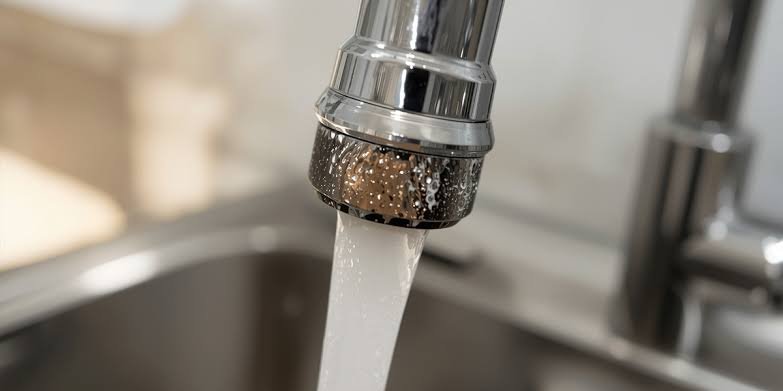
There’s a funny thing about hard water—it doesn’t usually announce itself with a dramatic warning. Instead, it creeps into daily life in quiet, frustrating ways. One day your showerhead isn’t spraying quite right. A few weeks later, your coffee maker seems slower than it used to be. Before long, white mineral stains appear on faucets, dishes lose their sparkle, and your water heater isn’t performing like it once did.
For many homeowners, these little inconveniences eventually add up to expensive repairs. The good news? Understanding why scale forms and how to prevent it can save money, extend the life of appliances, and make everyday living a little easier. You don’t have to wait until something breaks before paying attention to your home’s water quality.
Understanding Why Hard Water Creates Problems
Hard water simply contains higher concentrations of naturally occurring minerals, primarily calcium and magnesium. These minerals aren’t necessarily harmful to drink, but they can become troublesome when water is heated or repeatedly flows through plumbing systems.
As water travels through pipes, those minerals begin sticking to surfaces. Over time, they harden into stubborn scale deposits that reduce water flow, decrease heating efficiency, and force appliances to work much harder than they should.
Most people don’t notice the process happening because it’s gradual. It’s a bit like dust collecting on a bookshelf—you rarely see it building day by day, but eventually you can’t ignore it anymore.
The Hidden Cost of Mineral Buildup
Scale doesn’t just make fixtures look unattractive. It quietly affects almost every water-using appliance in a home.
Water heaters often become less energy-efficient because mineral deposits create an insulating layer between the heating element and the water. Dishwashers may leave cloudy spots on glassware. Washing machines can experience shorter lifespans, while plumbing fixtures slowly lose water pressure.
These aren’t isolated problems. They’re all connected to one common issue: mineral accumulation that continues unless something interrupts the cycle.
That’s why many homeowners are now exploring sodium-free scale prevention systems as a practical way to reduce scale formation without relying on traditional salt-based water softening methods. These systems focus on changing how minerals behave rather than removing them entirely, helping protect plumbing while maintaining the natural mineral content of the water.
Small Signs That Often Get Ignored
Most homes give subtle warnings long before serious plumbing problems appear.
Maybe soap doesn’t lather very well anymore. Perhaps freshly washed towels feel a little rough instead of soft. Shower doors require constant cleaning, and your kettle develops white deposits surprisingly quickly.
It’s easy to dismiss these as normal household chores, but together they usually point toward ongoing hard water issues that deserve attention.
Ignoring these early signs rarely saves money. In many cases, it simply delays repairs that become more expensive later.
Looking Beyond Traditional Water Softeners
For decades, salt-based softeners dominated conversations about treating hard water. They certainly remain a suitable option for many households, but they’re no longer the only path available.
Today’s homeowners often have different priorities. Some want lower maintenance. Others prefer avoiding additional sodium in treated water. Environmental concerns also influence purchasing decisions, especially in areas where salt discharge is regulated.
Because of these changing preferences, the water treatment industry has expanded considerably. There are now multiple technologies designed to minimize scale, improve water quality, and protect household plumbing without following a one-size-fits-all approach.
Choosing the right system depends on local water conditions, household size, and long-term goals rather than simply buying the most expensive equipment available.
Every Home Has Different Needs
One mistake people often make is assuming that every neighborhood has identical water quality. That’s rarely true.
Water chemistry can change dramatically from one municipality to another. Even neighboring communities sometimes experience different mineral concentrations depending on groundwater sources, treatment facilities, and seasonal conditions.
This is why professional water testing remains valuable before making any major investment. Instead of guessing, homeowners receive actual data about hardness levels, iron content, chlorine, sediment, or other factors affecting their water.
That information makes selecting the right equipment much easier.
Finding Solutions That Fit Everyday Life
Modern water treatment solutions are becoming increasingly personalized rather than generic. Instead of installing equipment based on assumptions, many professionals design systems around the specific needs of each household.
Some homes mainly struggle with scale buildup. Others deal with unpleasant odors, iron staining, sediment, chlorine taste, or multiple concerns at once.
When treatment is customized, homeowners often notice improvements beyond plumbing protection. Water may taste better, cleaning becomes easier, appliances operate more efficiently, and maintenance demands gradually decrease.
Perhaps the biggest benefit isn’t something you immediately see. It’s the peace of mind that comes from knowing your home’s plumbing system is better protected every single day.
Prevention Usually Costs Less Than Repairs
Homeownership teaches an important lesson sooner or later: preventive maintenance almost always costs less than emergency repairs.
Replacing a damaged water heater, repairing clogged plumbing, or installing new fixtures can quickly become expensive. On the other hand, addressing scale before significant buildup occurs often reduces maintenance costs over many years.
It’s not about chasing perfection. It’s simply about preventing avoidable wear that slowly chips away at your home’s efficiency.
Like changing your car’s oil or servicing your HVAC system, caring for your water system is another investment that quietly pays for itself over time.
A Smarter Way to Think About Water
Water is something we depend on every single day, yet most of us rarely think about it until something goes wrong. That’s understandable. When everything works, water simply becomes part of the background of daily life.
But taking a closer look at what’s flowing through your pipes can make a surprising difference. Cleaner fixtures, longer-lasting appliances, improved efficiency, and fewer unexpected plumbing headaches all begin with understanding your home’s unique water quality.
Hard water isn’t always something you can eliminate completely, nor does it necessarily need to be. The goal is managing it wisely, using technology that matches your household’s needs and your personal preferences.
In the end, protecting your plumbing isn’t really about pipes or appliances. It’s about making everyday life a little simpler, reducing unnecessary expenses, and ensuring your home continues working the way it should for years to come. Sometimes the smartest improvements are the ones you barely notice—until you realize how many problems they quietly prevented.