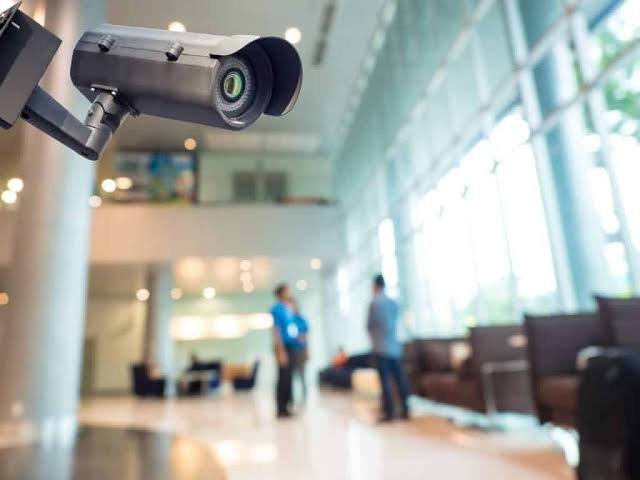
Modern businesses need more than cameras that record what happened after an incident. Video surveillance systems can help organizations monitor facilities, protect people and assets, investigate events, and improve operational awareness. For businesses evaluating security upgrades, Instrata offers a technology-focused approach to building surveillance infrastructure around practical security and business requirements.
Why Video Surveillance Systems Matter
A well-designed surveillance system creates visibility across critical areas. Cameras can monitor entrances, loading zones, parking areas, production spaces, hallways, and restricted rooms while providing recorded footage for later review.
Effective video monitoring can discourage unauthorized activity, support employee and visitor safety, and help security teams identify unusual activity before a situation escalates.
However, installing cameras is not the same as designing a reliable security solution. Businesses need to consider camera placement, image quality, storage, network performance, access controls, integration, and maintenance.
What Makes a Surveillance System Effective?
The best video surveillance systems are designed around the environment they need to protect. A small office may have different requirements from a warehouse, retail location, healthcare facility, or multi-site commercial property.
Several factors should guide planning:
- Coverage: Identify entrances, exits, high-value areas, and blind spots.
- Image quality: Select cameras that provide sufficient detail for the intended purpose.
- Lighting: Account for daylight, low-light conditions, glare, and shadows.
- Storage: Determine how much footage must be retained and how quickly it must be retrieved.
- Network capacity: Ensure camera traffic will not disrupt other business applications.
- Access: Limit video and system controls to authorized personnel.
- Scalability: Choose technology that can accommodate future expansion.
This approach helps prevent a common problem: installing equipment that appears capable but does not perform effectively in the real environment.
Video Surveillance Systems and Network Infrastructure
Modern surveillance increasingly depends on network connectivity. IP cameras transmit video over an organization’s network, so performance can be influenced by bandwidth, switches, cabling, and network design.
Before deployment, businesses should assess the infrastructure supporting cameras. High-resolution video can create significant data traffic, especially when many cameras operate continuously.
A practical design should consider:
- Camera resolution and frame rate.
- Number of cameras operating simultaneously.
- Network bandwidth and switch capacity.
- Power requirements, including Power over Ethernet where applicable.
- Recording and storage traffic.
- Remote viewing requirements.
- Network segmentation and security.
Choosing the Right Camera Technology
Different environments call for different camera capabilities. There is no single camera type that is ideal for every location.
Fixed cameras provide consistent views of defined areas. Pan-tilt-zoom cameras can cover larger spaces and allow operators to adjust viewing direction or zoom when required. Dome and turret designs may suit different indoor and outdoor applications depending on mounting and environmental conditions.
Other features may include:
- High-definition or higher-resolution imaging
- Wide dynamic range for difficult lighting
- Infrared or low-light performance
- Weather and impact resistance
- Wide-angle coverage
- Motion detection
- Video analytics
The goal should be useful information, not simply the highest specification available. A high-resolution camera can still produce poor evidence if it is installed at the wrong height, aimed incorrectly, or exposed to challenging lighting. Camera selection should always reflect the viewing distance, environment, and security objective.
Video Analytics Improve Security Awareness
Video analytics can add another layer of value to modern surveillance. Instead of requiring staff to watch every camera continuously, analytics can help identify events that deserve attention.
Depending on the platform, analytics may support motion detection, people or vehicle detection, line crossing, area monitoring, and event-based notifications.
Businesses should establish clear rules for which events require immediate notification, which can be reviewed later, and which should simply be recorded.
Storage and Video Retention Planning
Recording capacity is another important consideration when designing video surveillance systems. Storage requirements depend on camera count, resolution, frame rate, compression, recording schedules, and retention periods.
Businesses should determine how long footage needs to remain available before selecting a storage strategy. Continuous recording may suit some applications, while event-based recording can reduce storage demands in others. Retention should also reflect internal policies and applicable privacy or regulatory requirements.
Cybersecurity for IP Surveillance
Because many surveillance systems connect to business networks, cybersecurity should be part of the initial design.
Organizations can strengthen surveillance security by using strong credentials, limiting administrative access, keeping firmware and software updated, segmenting network traffic where appropriate, and monitoring unusual system activity.
Remote access deserves particular attention. Convenience should not come at the expense of security. Appropriate authentication and access controls can help ensure that only authorized users can view or manage surveillance systems.
Integrating Surveillance With Other Security Systems
Surveillance can become more useful when it works alongside other physical security technologies. Depending on the facility, businesses may integrate video with access control, intrusion detection, intercoms, alarms, and security management platforms.
For example, an access control event at a restricted door can be associated with nearby camera footage. This can help security personnel understand what occurred instead of reviewing hours of unrelated recordings.
Planning a Successful Video Surveillance Deployment
Businesses can improve project outcomes by treating surveillance as an infrastructure project rather than a simple equipment purchase. This encourages better coordination between security, IT, facilities, and operations teams from the beginning.
A practical deployment process includes the following steps for every business environment:
- Conduct a site assessment.
- Identify security objectives and critical areas.
- Map camera locations and viewing requirements.
- Evaluate network and power infrastructure.
- Select cameras and recording technology based on the environment.
- Establish storage, retention, and access requirements.
- Configure cybersecurity protections.
- Test coverage, image quality, recording, and alerts.
- Train authorized personnel.
- Establish a maintenance schedule.
Common Mistakes to Avoid
Several mistakes can reduce the effectiveness of a surveillance investment.
Focusing only on camera count: More cameras do not automatically mean better security. Coverage quality and placement matter more than quantity.
Ignoring lighting: A camera facing bright sunlight or a poorly illuminated area may produce footage with limited usable detail.
Underestimating storage: Retention requirements should be calculated before deployment.
Neglecting cybersecurity: Default credentials, outdated software, and unrestricted access can expose surveillance infrastructure to unnecessary risk.
Skipping maintenance: Cameras can become obstructed, dirty, misaligned, or disconnected. Regular checks help preserve performance.
Future-Proofing Business Surveillance
Technology continues to change, so businesses should avoid designs that make future upgrades unnecessarily difficult. Scalable network infrastructure, flexible storage, manageable device architectures, and clear documentation can make expansion easier.
A surveillance system should therefore be viewed as an ongoing security capability rather than a one-time installation. Periodic reviews help ensure cameras, storage, connectivity, and access policies continue to support changing business needs.
Conclusion
Effective video surveillance systems combine the right cameras, network infrastructure, storage, cybersecurity, analytics, and operational policies. When these elements are planned together, businesses can gain clearer visibility while making security operations more efficient and responsive.
The strongest approach starts with actual risks and objectives rather than a generic equipment list. By focusing on coverage, reliability, secure access, useful analytics, and future scalability, businesses can build surveillance infrastructure that supports security and daily operations. With its technology infrastructure expertise, Instrata can help organizations approach surveillance as a practical, integrated part of their broader security strategy.