

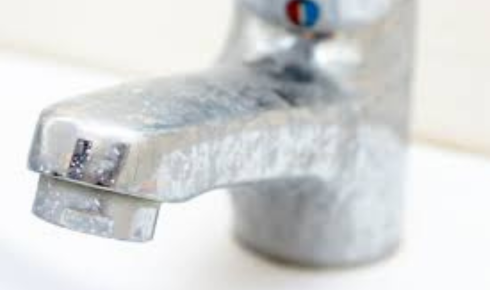
It usually starts with something small. You’re wiping down the sink, expecting that satisfying clean shine, and instead you notice faint white rings that just won’t disappear. You scrub a little harder, maybe switch cleaners, but they keep coming back like uninvited guests.
Water isn’t supposed to leave a trace, right? And yet, here it is—telling a story in spots, streaks, and subtle changes around your home.
The Signs We Almost Miss
Most of us don’t pay attention to water until it gives us a reason to. It flows, it’s clear, and that’s enough. But if you look closely, you might start noticing patterns. The way your shower glass looks cloudy even after cleaning. The kettle that develops a chalky layer inside. The faucet that loses its shine over time.
These things feel minor, almost cosmetic. Easy to ignore.
But they often point toward something deeper than just surface-level inconvenience.
When Clean Doesn’t Feel Clean
There’s something oddly frustrating about cleaning a space only to feel like it never quite gets there. You rinse, wipe, polish—and still, those stubborn marks linger.
In many cases, what you’re seeing are hard water stains, left behind when mineral-rich water evaporates. Calcium and magnesium don’t just vanish; they settle onto surfaces, creating that dull, chalky residue.
It’s not dirt. It’s not neglect. It’s simply the nature of the water itself.
And once it starts, it tends to stick around—literally.
The Hidden Work Happening Inside Your Pipes
While those stains are visible, there’s another layer of the story happening where you can’t see it. Inside your plumbing, the same minerals are slowly accumulating, forming plumbing buildup over time.
It’s a gradual process, almost invisible at first. But as layers build, they can narrow pipes, reduce water pressure, and make appliances work harder than they should.
You might not notice it day to day. But eventually, it shows up—in higher energy bills, slower performance, or unexpected repairs.
It’s the kind of issue that builds quietly, without announcing itself.
Why Your Water Isn’t Always the Same
One of the more surprising things about water is how much it can vary depending on location. What flows into your home isn’t just H₂O—it’s a mix of naturally occurring minerals, treatment chemicals, and sometimes traces of other elements picked up along the way.
This doesn’t mean your water is unsafe. In most cases, it meets all the necessary standards. But there’s a difference between safe and optimal.
That’s where water quality becomes part of the conversation—not as a concern, but as something worth understanding.
Living With It vs. Paying Attention
For a long time, many of us just live with these signs. We adapt. We clean a little more often, replace appliances a bit sooner, maybe switch products hoping for better results.
And honestly, it works—up to a point.
But there’s a difference between managing symptoms and addressing the cause. Once you recognize what your water is doing, it opens the door to solutions that actually make life easier, not more complicated.
Finding a Balance That Works
The idea isn’t to chase perfection or install every possible system. It’s about finding balance—figuring out what matters most in your home and addressing that.
Maybe it’s reducing stains so your kitchen feels cleaner with less effort. Maybe it’s protecting your appliances so they last longer. Or maybe it’s simply enjoying water that feels more neutral, less noticeable.
There’s no universal answer. Just a set of options that depend on your needs.
A Subtle Shift With Lasting Impact
Looking back, it’s interesting how something as ordinary as water can shape your daily experience in such quiet ways. It doesn’t demand attention, but it leaves its mark—sometimes literally.
Improving it doesn’t create a dramatic transformation. There’s no before-and-after moment that changes everything overnight. Instead, it removes friction. Little annoyances fade. Routines feel smoother.
And over time, that adds up to something meaningful.
Because when water works the way it should, you don’t think about it at all. It fades into the background, doing its job quietly.
And maybe that’s the best sign of all—that it’s no longer leaving a story behind for you to notice.


