Blog

  • The Everyday Decisions Behind a Warm, Reliable Home

    The Everyday Decisions Behind a Warm, Reliable Home

    There are certain comforts in a home that we don’t really notice until they falter. Warm water on a cold morning. A heater that hums along without drama. Air that feels safe, clean, and predictable. These things quietly support daily life, and because they usually work, we rarely stop to think about how many decisions sit behind them.

    But when something needs replacing, upgrading, or installing for the first time, all those quiet systems suddenly step into the spotlight. And that’s when homeowners realize how many small choices—often overlooked—can shape comfort for years to come.


    It Usually Starts With a Simple Question

    Most people don’t plan months in advance to think about heaters. The process often begins with a question that feels harmless enough. “Why is the water taking longer to heat?” or “Why does the room feel uneven, even though the system is running?”

    Once that question appears, curiosity follows. You listen more closely. You notice sounds you ignored before. You start Googling late at night, not in a panic, but with a growing sense that something deserves attention.

    What surprises many homeowners is how interconnected the answers are. Fixing one issue often means understanding several others—and that’s where the real learning begins.


    Choosing What Powers the System

    One of the first considerations people encounter is the fuel type. It sounds straightforward on the surface, but it’s rarely just a binary choice. Gas, electric, hybrid—each option comes with trade-offs tied to efficiency, availability, cost, and even lifestyle.

    Some fuels heat faster. Others are quieter. Some make sense in urban settings, while others shine in rural homes. What matters most isn’t what’s “best” in general, but what’s best for a specific household.

    People often realize this after talking to neighbors or professionals who ask questions instead of pushing answers. How many people live in the home? How consistent is usage? Are energy costs stable in the area? Suddenly, the decision feels less technical and more personal.


    The Invisible Path Air Takes

    Then there’s venting, a word that doesn’t get much attention until it really needs to. Venting is one of those behind-the-scenes elements that rarely crosses a homeowner’s mind—yet it’s essential for safety and efficiency.

    A system can be powerful and modern, but if exhaust isn’t managed properly, performance suffers. Worse, risks increase. Improper airflow can lead to inefficiency, strange odors, or long-term issues that don’t show up right away.

    This is where shortcuts tend to backfire. Venting isn’t about appearance or convenience. It’s about allowing a system to breathe the way it’s designed to. When it’s done correctly, you never think about it again. When it’s not, it becomes a recurring headache.


    Why Installation Is More Than a Checklist

    It’s tempting to think of heater installation as a box-ticking exercise. Measure space. Connect lines. Flip the switch. But experienced homeowners will tell you it’s never that simple.

    Installation is where theory meets reality. Where manufacturer guidelines meet the quirks of an actual home. Pipes aren’t always where diagrams say they’ll be. Walls aren’t always forgiving. And past renovations often leave surprises behind.

    A good installation accounts for all of that. It adapts instead of forcing. It anticipates instead of reacting. And when it’s done well, the system feels like it belongs there, not like it was squeezed in.


    The Emotional Side of Practical Choices

    It may sound strange, but decisions around home systems carry emotional weight. There’s anxiety in choosing wrong. Frustration in not knowing enough. Relief when the work is finished and everything just… works.

    Many homeowners describe a sense of calm after a successful installation. Not excitement, exactly. More like the absence of worry. You stop listening for odd noises. You stop wondering if today’s the day something fails.

    That peace of mind is hard to measure, but it’s real. And it’s often the biggest return on the investment.


    Why “Good Enough” Rarely Feels Good for Long

    There’s a strong pull toward settling, especially when budgets are tight or timelines are stressful. But systems that are merely “good enough” have a way of reminding you they could be better.

    Maybe they’re louder than expected. Maybe they cost more to run. Maybe they struggle during peak usage. None of these issues are emergencies, but they chip away at comfort.

    Homeowners who take the time to understand their options—even briefly—tend to feel more satisfied long-term. Not because they spent more, but because they chose more intentionally.


    Learning From the House Itself

    Every home has a personality. Some are old and sturdy, with quirks you learn to respect. Others are newer but tightly packed with modern systems competing for space. Paying attention to what a house is telling you can save time, money, and frustration.

    Is there room for future access? Will maintenance be simple or awkward? Does the layout support efficient airflow and heat distribution? These questions don’t require technical expertise—just awareness.

    The best solutions often come from listening, not rushing.


    When Professional Advice Makes Sense

    There’s a point in most home projects where outside perspective becomes valuable. Not because homeowners aren’t capable, but because experience reveals patterns that aren’t obvious at first glance.

    Professionals have seen what fails repeatedly and what lasts quietly for years. They understand which details matter and which ones are flexible. That knowledge can prevent costly mistakes, even if the final decision remains firmly in the homeowner’s hands.

    It’s less about handing over control and more about gaining clarity.


    A Thoughtful Ending to a Quiet Topic

    Heating systems, like many parts of a home, are easy to ignore when they work. That’s their job. But when it’s time to make decisions about them, slowing down and thinking things through pays off.

    Comfort isn’t created by one big choice. It’s shaped by a series of small, thoughtful ones—what powers the system, how it breathes, how it’s brought into the home in the first place.

    When those choices align, the result isn’t flashy. It’s steady mornings. Reliable warmth. Fewer surprises. And a home that feels like it’s quietly working with you, not against you.

    In the end, that’s what most people want. Not perfection. Just a system that shows up every day and does its job, so you don’t have to think about it at all.
  • Making Sense of Water Filters and Softeners in Minnesota Homes

    Making Sense of Water Filters and Softeners in Minnesota Homes

    You probably don’t think about the water coming out of your tap too often—until something doesn’t feel right. Maybe your skin is suddenly dry. Your dishes look spotty. Or your morning coffee starts tasting just a bit… off. If you live in Minnesota, you’re not imagining it. Between hard water and local mineral content, the water here can quietly affect your appliances, your skin, your hair, and even your wallet.

    The solution? For many, it’s a whole house water filter Minnesota residents are turning to—paired with a quality softener. But with so many options and brands out there, choosing the right setup can feel more confusing than refreshing.

    Let’s break it down in plain English.


    Why Water in Minnesota Needs a Little Extra Help

    Minnesota has some of the best freshwater sources in the country, sure. But even clean sources can carry excess minerals like calcium, magnesium, iron, and sometimes even chlorine—especially if you’re getting city-treated water.

    These minerals don’t pose major health risks, but they do build up in your plumbing and appliances over time. They make it harder for soap to lather, dry out your skin, dull your clothes, and leave chalky spots on dishes. Oh, and they slowly shorten the life of your dishwasher, washing machine, and water heater.

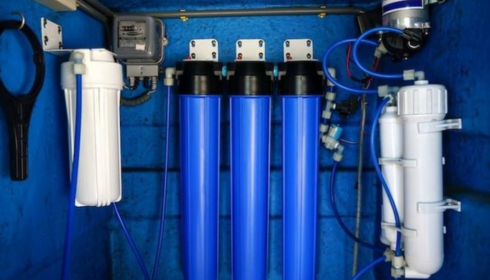
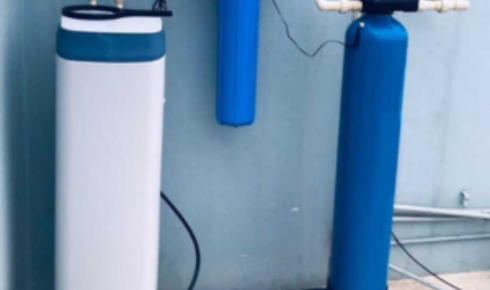
    That’s why more homeowners are investing in full-home water systems—ones that combine softening and filtration. A filter handles sediments, chlorine, and contaminants. A softener tackles the hardness.


    What’s the Difference Between a Filter and a Softener?

    Think of it like this:

    • A filter cleans your water by removing contaminants like iron, chlorine, sediments, and some bacteria.
    • A softener removes hardness minerals (like calcium and magnesium) that cause scale and soap issues.

    If your water smells metallic, leaves rust stains, or tastes strange, a filter will help. If your shower leaves your skin itchy and your faucets are covered in white crust, a softener is your friend.

    But honestly? Many Minnesota homes need both.


    What About the Cost? Let’s Talk Commers

    If you’ve started researching systems, you’ve probably come across the name Commers. They’re a well-known, local brand with a long-standing reputation in the upper Midwest. But what about the Commers water softener price? Is it affordable? Is it worth it?

    Here’s the thing: Commers isn’t the cheapest name on the market—and they’re not trying to be. Their prices reflect build quality, reliable installation, and excellent service. You’re paying for peace of mind and a system that works the way it should for years.

    Prices vary depending on whether you’re getting just a softener or a full filter-softener combo, but expect most Commers softener systems to land somewhere between $1,000 and $2,500 installed. Higher-end or combo systems can go a bit beyond that. Some homeowners choose to finance or use water-as-a-service subscriptions, which spreads out the cost.


    Why Local Companies Matter More Than You Think

    We live in a world where everything’s a few clicks away online—but when it comes to your home’s water system, “local” still counts. The best water softener companies near me know the quirks of your area’s water, whether it’s city water in the Twin Cities or well water out in the suburbs.

    These local companies offer more than just a product—they offer tailored solutions. They test your water, recommend what you actually need (instead of upselling you on the biggest unit), and stay nearby if something ever needs service.

    Try calling an online mega-brand when your system leaks in January. Now try calling a local installer who serviced your neighbor’s house last fall. Big difference.


    Signs You Need a Filter, a Softener—Or Both

    Not sure if it’s time to upgrade your water system? Here are a few tell-tale signs:

    • Your appliances keep breaking early. Scale buildup kills water heaters fast.
    • Your skin and hair feel dry or irritated. This is a classic hard water side effect.
    • You see orange or brown stains on tubs, sinks, or laundry. That’s usually iron or manganese.
    • You’re spending a fortune on soaps, shampoos, and detergents. Soft water helps these products work better and last longer.
    • Your water tastes… weird. A filter can remove the bad taste and odor from chlorine or other treatment chemicals.

    Sometimes these problems show up gradually. You might not even realize how bad things were until you experience properly filtered and softened water.


    Okay, You’re Ready—Now What?

    First, get a free water test. Most reputable companies offer one, and it only takes a few minutes to find out exactly what’s in your water.

    Next, talk through your options. You might need a softener, a filter, or both. And yes, you’ll get quotes—just make sure you’re comparing apples to apples. A cheaper system with no warranty and poor support isn’t really cheaper in the long run.

    Finally, ask about maintenance. Some systems are easier to live with than others. Salt delivery? Annual check-ups? Know what you’re signing up for so there are no surprises later.


    Final Thoughts: Invest in Better Water, Reap the Benefits Daily

    A whole-house filter and softener system isn’t just for people with “problem water.” It’s for anyone who wants to protect their home, their appliances, and their health from the long-term effects of untreated water.

    Water touches nearly every part of our lives. Cooking, cleaning, bathing, drinking—it’s always there. So why not make sure it’s the best it can be?

    Whether you’re leaning toward a whole house water filter Minnesota setup or looking into the Commers water softener price for your specific home, one thing’s for sure: clean, soft, reliable water is one of those things that makes life better… without you even noticing it every day.

  • Flames Out and Frustrated? A Real Talk on Gas Range and Oven Repairs

    Flames Out and Frustrated? A Real Talk on Gas Range and Oven Repairs

    So there you are, apron on, your favorite playlist humming in the background, prepping your go-to dinner. You turn the knob on your gas range—click-click-click… and nothing. No flame. No heat. Just an empty promise of dinner and a slow burn of frustration building in your chest. We’ve all been there—staring down a cold stove, wondering what on earth went wrong, and how to fix it fast.

    It’s in those moments that you realize just how much we rely on these quiet machines in our homes. They don’t ask for attention until they stop working. And when they do? Well, they demand it. Immediately.

    When Everyday Comfort Stops Working

    The thing about gas ranges is, they’re often taken for granted—until they’re not. You don’t notice the power of instant flame until the spark stops showing up. A lot of folks will try to troubleshoot it themselves—clean the burner heads, fiddle with the igniter, even do the classic “light a match and hope for the best” maneuver. But gas appliances aren’t something you want to guess your way through.

    There’s safety involved. Precision. Experience. That’s why calling someone who knows gas range repair like the back of their hand isn’t just about convenience—it’s about peace of mind.

    Not Just an Inconvenience—A Whole Vibe Shift

    When your oven or stove goes down, it’s not just a “thing that broke.” It messes with your routine. Your meal plans. Your mood, even. You might shrug it off for a day or two, maybe even switch to microwave meals or lean on delivery. But eventually, the disruption adds up. Cooking stops being a comfort, and starts becoming a hassle.

    That’s why people start searching for help with gas oven repair near me—not just because something is broken, but because it’s messing with the very heart of their home.

    And in that moment, what you need isn’t a lecture. It’s a solution.

    Local Beats Corporate—Every Time

    There’s a world of difference between calling a huge appliance chain and reaching out to a local expert. One keeps you on hold. The other picks up. One books you out a week later. The other asks, “Can I swing by this afternoon?”

    The best part about local? They get it. They’ve been to your kind of home before. Maybe they’ve even fixed your neighbor’s stove. They show up, remember your name, treat your kitchen like it’s their own.

    That personal connection matters, especially when you’re trying to find repair guys near me who won’t overcharge, underdeliver, or ghost you after a half-done job. A solid local repair tech shows up on time, speaks your language, and doesn’t treat you like a transaction.

    How to Know It’s Time to Call the Pros

    Now, some people wait way too long to call for help. Here’s a quick reality check. If your burner won’t ignite, the flame looks yellow or uneven, or your oven struggles to keep a consistent temperature—don’t wait. These aren’t “quirks.” They’re warnings. Gas is safe when it’s working properly. When it’s not, you need someone who knows what they’re doing.

    And if you’re smelling gas at all? Stop reading. Turn everything off. Get out of the house. Call your gas provider and an emergency repair pro. That’s not something to mess around with.

    But let’s say it’s something more manageable. A weak burner. An oven that cooks unevenly. A clicking sound that won’t stop. That’s where experienced repair folks shine. They’ll walk in, identify the issue fast, explain what’s going on in plain English, and get you back to cooking with confidence.

    What Makes a Good Appliance Repair Experience?

    It’s not about bells and whistles. It’s about honesty.

    A great repair technician tells you what’s broken, how they’ll fix it, how much it’ll cost, and what to expect afterward. No cryptic jargon. No sketchy pricing. No upselling.

    They’ll tell you when a part is on its last leg and when something just needs a simple tweak. The best ones even give tips to keep your appliance running smoother, longer. Not because they’re trying to squeeze more money out of you—but because they care.

    And honestly? That kind of service is rarer than it should be.

    Maintenance: The Boring Secret Weapon

    You know what most people don’t do that they probably should? Regular maintenance.

    Just like your car needs oil changes, your gas range and oven need occasional TLC too. Cleaning out burners, checking seals, inspecting igniters—those things take minutes and can save you hundreds down the road. Some repair services even offer seasonal tune-ups. It’s the kind of boring grown-up thing that makes future-you very grateful.

    Wrapping It All Up (Preferably in Foil, in a Working Oven)

    Here’s the truth: stuff breaks. Appliances age. Flames fizzle out. But the breakdown doesn’t have to be the end of the story.

    When your gas range or oven goes on strike, it’s not the time for panic—it’s the time to find someone you can trust. Someone local. Someone skilled. Someone who treats your kitchen like more than just a job site.

    So if your flame’s gone out and your patience is wearing thin, take a breath. Help’s not far. And once it’s fixed? That first meal back on a working stovetop is going to feel like magic.

  • When San Francisco Water Stops Playing Nice: Making Sense of Softening, Service, and Smarter Options

    When San Francisco Water Stops Playing Nice: Making Sense of Softening, Service, and Smarter Options

    San Francisco has a reputation for good taste—coffee, food, design, even fog aesthetics. Water, though? That’s where things get complicated. For many homes and businesses across the city, water quality slowly becomes a background problem that won’t stay quiet. Scale creeps into kettles. Shower doors cloud up. Equipment works harder than it should. Nobody panics, but everyone notices.

    Eventually, curiosity turns into action. Not because water upgrades are exciting, but because living with small, constant annoyances gets old.

    Why the City’s Water Feels Different from House to House

    One of the tricky things about San Francisco is how inconsistent water experience can be. Neighborhoods vary. Buildings vary even more. Older plumbing, mixed infrastructure, and fluctuating mineral levels all shape how water behaves once it hits your tap.

    That’s why water softener installation san francisco isn’t a one-size-fits-all conversation. A solution that works beautifully in one building may underperform a few blocks away. The real challenge isn’t finding a system—it’s finding the right approach for the specific conditions inside your walls.

    Good installers know this. They ask questions. They look at usage patterns, pipe layouts, and pressure limits. They don’t assume.

    When Hard Water Starts Affecting More Than Comfort

    At first, hard water feels like a cosmetic issue. Spots on glassware. Dry skin. Laundry that never feels quite right. But over time, the impact goes deeper. Scale builds inside pipes and appliances. Water heaters lose efficiency. Maintenance costs creep upward in ways that don’t immediately point back to water as the cause.

    For homeowners, that usually leads to frustration. For businesses, it becomes a budget concern.

    Restaurants, gyms, apartment buildings, and offices rely on water constantly. When systems struggle, downtime and repairs follow. That’s often when people start searching for commercial water softener service near me, not because they want an upgrade, but because they need reliability.

    Commercial Needs Are a Different Conversation

    Commercial water systems aren’t just “bigger versions” of residential ones. They’re designed to handle volume, consistency, and regulatory expectations. Downtime matters more. Efficiency matters more. And service response time matters a lot more.

    A good commercial provider understands how water quality affects equipment lifespan, energy costs, and customer experience. They also understand that businesses can’t afford guesswork. Clear maintenance plans, predictable service schedules, and fast response when something feels off are part of the value—not optional extras.

    Ownership Isn’t the Only Path Forward

    Not everyone wants to buy a system outright. Some homeowners and many businesses prefer flexibility, especially in a city where people move, remodel, and reconfigure spaces often.

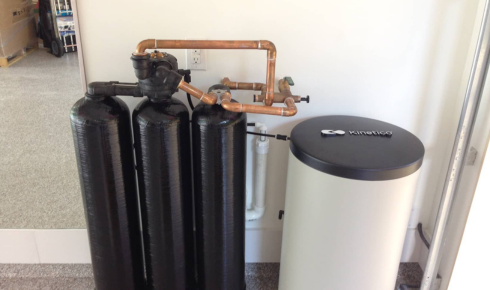
    That’s where options like kinetico water softener rental enter the picture. Renting can lower upfront costs, simplify maintenance, and make upgrades easier down the line. For some, it’s a way to improve water quality without committing to long-term ownership right away.

    Rental isn’t a shortcut—it’s a different strategy. And in the right situation, it makes a lot of sense.

    Installation Quality Shapes Everything That Follows

    No matter which path you choose—purchase or rental, residential or commercial—installation quality is the quiet dealbreaker. A well-designed system installed poorly will always underperform. A thoughtfully installed system, even a modest one, can deliver years of reliable service.

    Experienced installers pay attention to details that don’t show up on spec sheets. Drainage. Pressure balance. Placement. Future access for maintenance. These decisions don’t feel exciting in the moment, but they determine whether a system fades into the background or becomes something you constantly notice.

    Service Is Where Long-Term Value Lives

    Water systems aren’t “set it and forget it” forever. Even the best equipment benefits from periodic checks and professional care. Valves wear. Mineral patterns shift. Small adjustments keep systems running efficiently.

    The difference between stress and confidence often comes down to service. Knowing who to call. Knowing they’ll respond. Knowing they’ve seen the problem before. That kind of support turns a water system from a liability into an asset.

    The Change You Stop Thinking About

    One of the most telling signs that you chose the right solution is how quickly you stop thinking about water altogether. Dishes come out clean. Showers feel better. Equipment behaves. Bills stabilize. You don’t celebrate it—it just becomes normal.

    And that’s the point. Good water doesn’t ask for attention. It quietly supports everything else.

    Making the Decision Without the Noise

    Water improvement decisions don’t need urgency or pressure. In fact, pressure is often a red flag. The best providers explain trade-offs clearly. They tell you what you don’t need as honestly as what you do. They respect the fact that water touches daily life and long-term budgets.

    Whether you’re upgrading a home, managing a business, or weighing rental versus ownership, clarity matters more than hype.

    A Thoughtful End to an Everyday Issue

    Water isn’t glamorous, but it’s foundational. When it works well, you don’t notice it. When it doesn’t, everything feels slightly harder than it should. Addressing water quality in San Francisco isn’t about perfection—it’s about practicality.

  • A Simple Guide to Features, Benefits, and Easy Access

    A Simple Guide to Features, Benefits, and Easy Access

    In today’s fast-moving digital world, people want platforms that are quick to understand, easy to access, and genuinely useful. That’s where cooe comes into the picture. Whether you’re hearing the name for the first time or you’ve come across it while searching for a specific service, this guide will help you understand what COOE is, how it works, and why many users are looking it up online.

    COOE is designed to keep things straightforward. Instead of overwhelming users with unnecessary steps or confusing menus, it focuses on smooth navigation and a clean experience. This is one of the main reasons why people from different backgrounds—students, professionals, and casual users—are exploring the platform. When a service feels simple, people are more likely to return to it.

    What Makes COOE Stand Out?

    One of the biggest strengths of COOE is its user-friendly approach. Many online platforms try to do too much at once, which often leads to clutter and frustration. COOE takes a different route. Its layout is clean, features are easy to find, and the overall flow feels natural even for first-time users.

    Another reason behind its growing popularity is reliability. Users generally look for platforms that work consistently without frequent errors or downtime. COOE aims to deliver a stable experience, which builds trust over time. When users feel confident that a platform will work when they need it, loyalty naturally follows.

    Understanding COOE Login and Access

    For any digital platform, access is a key factor. The cooe login process is kept simple so users can sign in without unnecessary complications. Typically, you only need basic credentials, and the system is designed to guide you clearly if you forget your details or face a minor issue.

    A smooth login experience matters more than people realize. Complicated authentication steps can push users away, especially when they’re in a hurry. COOE understands this and focuses on quick, secure access while still maintaining basic safety standards. This balance between convenience and security is something modern users truly appreciate.

    Everyday Use and Practical Value

    COOE is not just about logging in and logging out. Its real value lies in how people can use it daily. From managing information to accessing specific tools or services, the platform aims to fit naturally into a user’s routine. You don’t need advanced technical knowledge to get started, which makes it appealing to a wide audience.

    The platform also adapts well across devices. Whether you’re using a desktop, laptop, or mobile phone, the experience remains largely consistent. This flexibility is important in an age where people switch devices throughout the day.

    Why People Search for COOE Online

    Search trends show that users often look up platforms when they want clarity. People search for COOE to understand what it offers, how to access it, and whether it’s worth their time. Clear information builds confidence, and that’s exactly what a well-structured platform should provide.

    Many users also search before signing up, which shows a healthy level of caution. They want to know if the service is legitimate, easy to use, and suitable for their needs. COOE’s growing visibility suggests that it’s successfully catching attention in a crowded digital space.

    Final Thoughts

    In a world full of complex platforms, COOE keeps things refreshingly simple. From an easy learning curve to a smooth access process, it focuses on what users actually want—clarity, reliability, and ease of use. If you’re someone who values straightforward digital experiences without unnecessary noise, COOE is definitely worth exploring. Over time, platforms like this often grow not because of hype, but because users genuinely enjoy using them.

  • Why the Best SEO Wins Often Happen Quietly, Behind the Scenes

    Why the Best SEO Wins Often Happen Quietly, Behind the Scenes

    There’s a moment most people hit in SEO where the excitement fades. You’ve published content, optimized pages, fixed technical issues, maybe even watched a few keywords climb. And then… things slow down. Rankings hover. Traffic plateaus. That’s usually when the real work begins.

    Because the truth is, SEO isn’t dramatic. It’s not loud. It doesn’t reward impatience. The wins that last are often the ones no one notices right away. They happen quietly, in the background, while everyone else is chasing the next shortcut.

    That’s especially true when it comes to links.

    The Myth of “More” in Modern SEO

    There was a time when volume alone could move the needle. More links, more anchors, more placements. That era is gone, even if some corners of the internet pretend otherwise.

    Today, “more” often creates noise instead of authority. Search engines aren’t counting links the way they used to. They’re reading them. Interpreting them. Comparing them to how real sites naturally talk about each other.

    A handful of thoughtful mentions can outperform a long list of forced placements. It doesn’t feel fair, especially when you’ve invested time or money. But SEO stopped being about effort a long time ago. It’s about signals.

    And signals work best when they don’t look like signals at all.

    When Links Start Feeling Human

    Think about how you actually browse the web. When you’re reading an article and see a link that genuinely adds context, you barely notice it. You click, or you don’t, but it doesn’t interrupt the flow.

    That’s the kind of link Google seems to trust more and more.

    Links that sit inside real sentences. Links that aren’t wrapped in sales language. Links that exist because the writer wanted to reference something useful, not because an SEO checklist demanded it.

    Once you start aiming for that level of natural integration, link building feels less like a tactic and more like editorial judgment.

    Context Isn’t Optional Anymore

    One of the biggest mistakes people still make is treating all backlinks as equal. They’re not. A link without context is like a quote pulled out of a conversation—it loses meaning fast.

    Context includes the topic, the surrounding words, the tone of the article, and even the audience it’s written for. When all of those align, a link carries weight far beyond its metrics.

    This matters a lot in competitive or sensitive niches. In those spaces, sloppy placement doesn’t just fail to help—it can actively hurt. That’s why a single well-placed mention of escort backlinks inside a broader, relevant discussion can be far more effective than dozens of random links scattered across unrelated pages.

    Editors See Things Algorithms Don’t (Yet)

    Before a link ever reaches Google’s systems, it usually passes through a human filter. Editors, site owners, and content managers develop instincts. They know when something feels off.

    They notice awkward anchor text. They notice paragraphs that exist only to host a link. And even if they approve it once, that doesn’t mean it stays forever. Content gets updated. Cleaned. Simplified.

    Links that genuinely improve an article tend to survive those edits. The rest quietly disappear.

    If your approach respects the editor’s role—and the reader’s time—you’re already ahead of most people doing SEO.

    Patterns Tell a Bigger Story Than Individual Links

    One questionable link rarely causes a problem. A pattern of them does.

    Search engines don’t evaluate backlinks in isolation. They look at pacing, diversity, anchor variation, and placement consistency. When everything looks too similar, too neat, too intentional, it raises questions.

    Real websites don’t grow evenly. They get mentioned in different contexts, by different voices, at uneven intervals. Sometimes there’s a spike. Sometimes there’s a lull.

    Link profiles that mirror that natural messiness tend to age better. They don’t panic algorithms during updates because they don’t look manufactured in the first place.

    Slower SEO Often Wins the Long Game

    This is the part nobody likes to hear: time is a ranking factor, even if it’s not listed anywhere official.

    Links earned gradually tell a story of steady recognition. Links acquired overnight tell a different story, and not always a convincing one.

    Time also gives you feedback. You see which links actually send traffic. Which pages get referenced again. Which placements spark real engagement instead of just ticking a box.

    Those insights matter more than raw link counts. They help you refine your strategy instead of repeating the same mistakes at scale.

    The Hidden Value Beyond Rankings

    Good backlinks do more than move keywords. They introduce your brand to real people.

    Someone reads an article, notices your site mentioned naturally, and remembers it. Maybe they don’t click immediately. Maybe they come back weeks later. That familiarity builds trust in ways analytics can’t always measure cleanly.

    Over time, that trust shows up as better engagement, stronger brand searches, and resilience during algorithm changes. Sites with real audiences tend to wobble less when Google shifts its priorities.

    That’s not luck. That’s alignment.

    A Thought Worth Ending On

    SEO doesn’t reward noise the way it used to. It rewards consistency, relevance, and restraint.

    The best link strategies don’t feel aggressive. They feel thoughtful. Almost boring from the outside. But they compound quietly, month after month, while louder tactics burn out.

    If you approach link building like a writer instead of a manipulator—someone adding value to conversations rather than forcing their way into them—you’ll build something that lasts longer than the next update cycle.

    And in a world obsessed with quick wins, that kind of durability is still a rare advantage.

  • Sip with Intention: Why Crystal-Infused Water Bottles Are Becoming a Daily Ritual

    Sip with Intention: Why Crystal-Infused Water Bottles Are Becoming a Daily Ritual

    Let’s be honest—most of us don’t think twice about the container we use to drink water. As long as it doesn’t leak and keeps the drink cold, that’s enough, right? But something quietly transformative happens when we upgrade that simple object into something meaningful. Enter the world of crystal-infused water bottles—where hydration meets intention, design meets energy, and your daily sips take on a whole new vibe.

    These bottles aren’t just a wellness trend for Instagram. They’re tools—beautiful, mindful tools—for people looking to slow down, reset, and inject a little more soul into their everyday routine.


    More Than a Bottle, It’s a Statement

    First things first, a water bottle with crystal compartment is exactly what it sounds like: a clear, elegant bottle that houses a natural crystal in a separate chamber, often at the base. The crystal doesn’t directly touch the water (unless you choose a style that allows it), but it’s close enough to serve as a visual and symbolic reminder.

    It’s not just a container—it’s a lifestyle accessory. Whether you’re filling it before a workout or setting it on your desk during work hours, it’s hard not to notice the calm, centered energy it brings. For many, it’s a small yet powerful way to stay grounded.


    Why Crystals in Water?

    Here’s the deal: there’s no universally accepted scientific proof that crystals “charge” your water. But that’s missing the point. People aren’t necessarily looking for miracles. They’re looking for meaning. And sometimes, having a crystal in water bottle is enough to remind you to drink with purpose instead of rushing through another busy day.

    The crystal serves as a physical anchor. Rose quartz might spark self-love. Amethyst could hint at clarity and calm. Even if you’re not fully into the energetic properties, there’s beauty in the symbolism. It’s like a little talisman you carry around—only prettier and filled with hydration.


    Breaking the Routine of Mindless Hydration

    How many times have you downed a glass of water and immediately forgotten you drank it? We’re not paying attention. We’re just checking a box.

    That’s what makes water bottles with crystals different. They demand your attention in the subtlest way. You see the crystal gleaming in the sunlight or resting quietly in the corner of your eye—and suddenly, you’re aware. That moment of mindfulness sneaks in, shifting your focus from your to-do list to your body’s needs, even for just a breath.

    These moments of presence can stack up, and over time, they contribute to a more intentional way of living.


    Aesthetics That Inspire

    Let’s not ignore the visual side of things. These bottles are stunning. Most are made from thick, clear glass—some with bamboo or stainless steel accents—and they’re built to last. Whether you’re sitting in a meditation session or walking into a strategy meeting, they fit.

    A beautifully crafted crystal water bottle makes hydration feel elevated. It’s no longer an afterthought. It’s part of your identity. You’re not just drinking water—you’re practicing care, balance, and elegance with each sip.


    Form Meets Function

    Some people are hesitant at first. “Is this thing just for show?” Actually, no. These bottles are just as practical as they are pretty. Many come with removable crystal compartments for easy cleaning. Most are leak-proof. A lot are insulated to keep your drinks at the right temperature.

    And if you’re looking for variety? You’ll find an entire world of options—from polished quartz towers to raw gemstone chunks, all customizable to your vibe or intention.

    Beyond beauty, they function like any premium water bottle. The crystal just happens to be a bonus—a visual, energetic cherry on top.


    Choosing the Right Crystal (or Letting It Choose You)

    This part is personal. Some folks study crystal meanings and make careful choices. Others walk into a store or scroll online and go with what catches their eye. There’s no right way.

    The key is resonance. What feels good to you? What speaks to your energy right now? Trust that. Whether you’re drawn to citrine’s sunny vibes or obsidian’s grounding presence, there’s likely a crystal out there that fits just right.


    The Ritual of Refilling

    There’s something kind of sacred about filling a bottle that holds a crystal. You’re not just pouring water—you’re engaging in a quiet ritual. You watch the bubbles form, the light refract through the glass, the crystal resting calmly inside.

    It slows you down. Makes you notice. Makes you feel.

    And when your days are jam-packed and your mind’s moving a hundred miles a minute, that kind of pause isn’t just helpful—it’s necessary.


    Final Thoughts: Little Things That Make a Big Difference

    A crystal-infused water bottle won’t solve your stress, align your chakras, or instantly bring clarity to your life. But it will do something small and important. It’ll invite intention into something as routine as drinking water.

    And those small shifts? They ripple outward. You hydrate more. You pause more. You begin to make choices with awareness, and not just out of habit.

    Sometimes, that’s all we need—a gentle reminder, wrapped in glass and stone, that we deserve to slow down. That even in the middle of chaos, we can carve out moments of calm. That beauty and wellness don’t have to be separate.

  • Why Local Water Experts Matter More Than Ever in Florida

    Why Local Water Experts Matter More Than Ever in Florida

    There’s something personal about water. You taste it, cook with it, bathe in it, and trust that it’s clean. But in Florida — where the sun’s relentless and the humidity never quite quits — water can be a bit of a wildcard. Sometimes it smells funny. Sometimes it leaves residue on your glassware. And sometimes, it just doesn’t feel quite right.

    So what do most people do? They shrug. Maybe buy a filter from the store, or just accept the strange taste and move on. But here’s a better option: lean on the people who know your water best — the pros just around the corner, not the ones in some call center across the country. Like your local Pinellas Park dealer, who understands what your pipes are up against and what your family needs for peace of mind.


    You Can’t Fix What You Don’t Test

    Let’s get one thing straight: just because water is clear, doesn’t mean it’s clean. In fact, some of the most persistent issues — like high chlorine, sulfur odors, or hard water minerals — are practically invisible.

    The good news? You don’t have to play guessing games. A proper home water test can reveal everything from pH imbalances to heavy metals, helping you finally understand why your shower leaves your skin dry or why your coffee tastes a little… off.

    And who better to run that test than a certified professional who’s walked this road with hundreds of local families? A true certified water treatment specialist isn’t just selling you equipment — they’re helping you reclaim trust in something as essential as your morning glass of water.


    Why Big-Box Filters Just Don’t Cut It

    Sure, that charcoal pitcher in your fridge is convenient. But it’s not designed to handle Florida’s unique challenges — from naturally occurring minerals in well systems to the chlorine-heavy city supplies in urban neighborhoods.

    What you need is tailored protection. And tailored doesn’t mean complicated. The right local expert will help you decide what fits best: a water softener, reverse osmosis unit, whole-house filtration, or even a combination. It’s not about overkill — it’s about right-sizing your solution for your home, your family, and your budget.

    And if you’ve been relying on YouTube reviews or random online forums, this is your gentle nudge to stop. Water issues aren’t one-size-fits-all. You deserve advice from someone who lives and works where you do.


    Sunshine State, Unique Problems

    Florida’s weather might be great for beach days and flip-flops, but it’s not doing your water any favors. High heat and humidity can affect municipal water treatment. And private wells — well, they come with their own set of concerns, from iron staining to bacterial risks.

    That’s why being part of something bigger, like the Florida Water Quality Association, matters. Certified dealers and technicians who are members of FWQA aren’t just trained once and forgotten — they stay current on regulations, solutions, and technologies that directly impact your water.

    They know the seasonal shifts, the neighborhood patterns, and the weird stuff no one tells you about until your water heater gives up the ghost. That’s the kind of localized knowledge that saves you money, stress, and maybe even your appliances.


    Real People, Real Results

    Let’s talk about Linda, a mom of three in Pinellas Park. After years of strange smells and rust stains on her sinks, she finally called her local dealer for a free water assessment. Within a week, she had a whole-house filtration system installed — and just like that, no more orange toilets or itchy skin.

    Or Jerry, a retiree on well water, who couldn’t figure out why his laundry came out stiff and discolored. Turns out he needed more than a softener — he needed a custom setup to tackle sulfur and iron at the source. Now? His clothes are brighter, and he swears his coffee tastes “like it did 30 years ago.”

    These aren’t flukes. They’re the kind of everyday wins that happen when people stop treating their water like an afterthought and start trusting local expertise.


    What to Expect When You Make the Call

    Most water specialists won’t roll up in a flashy truck trying to upsell you into a $5,000 system. In fact, the first step is usually a relaxed visit or consultation — no pressure, just honest conversation. They’ll test your water, explain what’s going on, and give you a few options.

    And unlike those big national chains, a local Pinellas Park dealer doesn’t disappear once the install is done. They’ll answer the phone when something seems off. They’ll swing by for tune-ups. And they’ll probably remember your dog’s name.

    It’s not just about water. It’s about community, care, and consistency.


    Your Water, Your Call

    Maybe your water tastes fine. Maybe you’ve never really thought about it. That’s okay. But here’s your reminder: clean water isn’t a luxury. It’s a basic right. And in a state where water can be as unpredictable as the weather, a little professional insight goes a long way.

    Whether you’re worried about contaminants, curious about upgrades, or just tired of battling soap scum on your shower doors, there’s someone nearby who can help. No scripts. No scare tactics. Just solid advice and proven solutions.

  • What You Need to Know About Permits, PVC, and EPDM Roofing

    What You Need to Know About Permits, PVC, and EPDM Roofing

    Let’s get one thing straight — commercial roofing isn’t glamorous. You’re not going to see a flat roof featured on an HGTV makeover or trending on Pinterest. But when it comes to protecting your building, your inventory, and your peace of mind? That roof matters. A lot.

    Thing is, most business owners don’t think about their roof until water starts dripping onto something expensive. And by then? It’s a mess. Replacing or installing a flat roof isn’t just about picking a material — it’s about understanding the why, the what, and the oh, I didn’t realize that needed a permit. So let’s talk real-world roofing in a way that makes sense — no fluff, no hard sell.


    Roof Work Without a Permit? That’s a Risk You Don’t Want

    Let’s kick things off with the paperwork side of things. Because as boring as it sounds, a roofing permit can make or break your entire project. Some property owners get caught up in the hustle — they want a quick fix, fast quote, no red tape. But skipping a permit? That’s a shortcut with long-term consequences.

    Permits aren’t just there to slow you down. They ensure the work meets safety standards, follows city codes, and doesn’t leave you with legal headaches down the line. And if you’re ever planning to sell the property? An unpermitted roof job can delay closings or tank appraisals.

    Here’s a tip: any reputable contractor should handle this for you. If they’re trying to skip it, or telling you it’s unnecessary — that’s your cue to run.


    PVC Roofing: Not Just a Fancy Plastic

    Now, if you’re dealing with a flat or low-slope roof — which most commercial buildings are — someone’s probably mentioned PVC roofing. And no, we’re not talking about pipes. This is a single-ply membrane that’s been winning fans in the roofing world for decades.

    What makes PVC so appealing? For starters, it’s incredibly durable and resists chemicals, grease, fire, and punctures. That makes it perfect for restaurants, factories, or any building with rooftop exhaust systems. It also reflects sunlight like a mirror, helping reduce cooling costs — especially if you’re roasting in a southern state.

    Plus, PVC seams are heat-welded, creating a watertight seal that’s less likely to fail over time compared to adhesive systems. Translation? Fewer leaks, fewer calls to your roofer, and fewer late-night tarp emergencies.

    Sure, it’s not the cheapest option on the market, but if you want something that handles abuse and lasts 20+ years with minimal drama, PVC is worth every penny.


    EPDM Roofing: The Workhorse of Flat Roofs

    On the flip side, maybe you’re working with a tighter budget, or your building doesn’t have a bunch of rooftop equipment to worry about. That’s where EPDM roofing comes in — a.k.a. “rubber roofing.”

    EPDM has been around forever, and for good reason. It’s lightweight, easy to install, and flexible enough to handle expansion and contraction in wild temperature swings. It’s especially useful in colder climates since it handles freezing and thawing like a pro.

    The downside? It’s usually black, which means it absorbs heat (though white coatings are available). And while it’s durable, it’s a bit more prone to punctures than PVC or TPO, especially in high-traffic areas.

    Still, for the cost, EPDM offers great value and solid longevity — often lasting 20 to 30 years with good maintenance. If your roof doesn’t need to do anything fancy, just stay leak-free and affordable, EPDM might be your best friend.


    Choosing What’s Right for Your Roof (and Your Sanity)

    Now, here’s where it gets tricky. Both PVC and EPDM are solid options. So how do you choose?

    • Got heavy rooftop machinery or a kitchen below? Go PVC.
    • Need something budget-friendly and proven? EPDM might be the move.
    • Live in a scorching climate and want a cooler interior? PVC’s reflectivity helps.
    • Just want to get a reliable roof over your head ASAP without breaking the bank? EPDM all day.

    It’s not about what’s “best” — it’s about what’s best for your building.


    What Most Contractors Won’t Say Out Loud

    A lot of companies will pitch you the material they’re most comfortable installing, or the one they’ve got a good margin on. And sure, they might have valid reasons — but that doesn’t always mean it’s the right call for you.

    Ask the hard questions. Get multiple quotes. Read the warranty details. And don’t just go with the lowest price. Remember, a $5,000 mistake on a roof becomes a $15,000 nightmare once water gets in.

    And if they’re not talking permits? Walk away. Seriously. That one detail tells you everything you need to know about their approach.


    Final Thoughts: Think Long-Term, Not Just Low-Stress

    Look — you’ve got enough on your plate running a business. Roofing shouldn’t be something you worry about weekly. But when it is time to make a call, don’t rush it. Take the time to understand your options, read the fine print, and work with someone who treats your building like it’s their own.

    Because this isn’t just about covering your space. It’s about protecting what happens underneath it. The people, the products, the late nights, and the big ideas — they all deserve a roof that’s reliable, durable, and done right.

  • When Water Isn’t Soft Enough: The Real-Life Fixes That Make All the Difference

    When Water Isn’t Soft Enough: The Real-Life Fixes That Make All the Difference

    There’s something about soft water that just feels right — like when you step out of the shower and your skin doesn’t scream for lotion, or when your dishes actually sparkle instead of wearing a chalky white film. If you’ve ever experienced the sheer bliss of soft water, you’ll understand the frustration when your system stops performing the way it used to. And if you haven’t yet? You’re probably wondering what all the fuss is about.

    Truth is, water quality affects nearly everything in your home — from your laundry to your plumbing. And when your water softener isn’t doing its job properly, the signs show up fast. It’s not just about convenience; it’s about protecting your home, your appliances, and frankly, your peace of mind.

    Let’s dive into what really happens when your water softener starts slacking off — and how to get back that clean, silky flow.


    The Sneaky Signs Hard Water Is Creeping Back

    It starts subtly. Maybe your shampoo doesn’t lather quite the same. Maybe your dishwasher needs an extra rinse. Then, before you know it, you’re buying vinegar in bulk just to keep your kettle clean. That’s the problem with hard water: it builds up slowly and wreaks havoc silently.

    The culprit? Minerals like calcium and magnesium. They’re naturally present in water, but when left unchecked, they cling to everything — pipes, faucets, showerheads, even your skin and hair. Over time, they make things harder than they need to be. And if your water softener is on the fritz, you’re in for a full-blown mineral takeover.

    One of the best ways to reduce scale buildup is to make sure your water softener is working optimally. When functioning well, it captures those hard minerals before they ever reach your taps. But like any appliance, it needs attention.


    Why Water Softeners Don’t Always Work Like They Should

    You’d think a water softener, once installed, would just keep doing its job. But no — these systems are like any other appliance: they require regular checkups, occasional repairs, and the occasional upgrade.

    Sometimes, the issue is as simple as running out of salt in the brine tank. Other times, the resin beads inside get clogged or lose effectiveness. If you’ve moved into a home with an existing system, you might not even know when it was last serviced — or if it’s suited for your local water hardness level.

    This is where a little help goes a long way. Calling in expert water softener support isn’t just a luxury — it’s often the smartest move you can make. The right technician can diagnose issues quickly, recalibrate settings, replace worn parts, and even recommend better systems if yours is outdated. Think of them as a water whisperer for your home.


    Not All Soft Water Is Created Equal

    Here’s the interesting part: even among water softeners that are technically “working,” there’s a big difference in results. Some models are more efficient than others. Some remove more minerals, faster. And others just handle varying water demands more smoothly — like when you’ve got a full house of showers running every morning.

    If you’re still seeing cloudy glassware or dry skin despite having a water softener, chances are your system isn’t meeting your needs anymore. You might need a higher-capacity model, better salt, or improved filtration.

    The goal, of course, is to enhance water softness to a level that makes daily life feel, well, easier. Because when your water’s just right, laundry smells fresher, plumbing lasts longer, and showers feel like mini spa treatments.


    Maintenance Isn’t Optional (Even If It Feels Like a Chore)

    It’s easy to forget your water softener exists. It’s usually hidden in a basement corner or utility room, humming along quietly. But just because it’s low-maintenance doesn’t mean it’s no maintenance.

    Every six to twelve months, give it some love. Check the salt levels. Look for any signs of buildup or leaks. Run a cleaning cycle if your model supports it. If you’re not sure how to do that — or if it’s been more than a year — schedule a service call.

    Trust me, catching problems early can save you from bigger headaches later. A $50 part today could prevent a $500 plumbing disaster tomorrow.


    When It’s Time to Upgrade

    So what if your system is just… done? Maybe it’s a decade old, maybe it’s just not performing like it used to. Upgrading might feel like a hassle, but it can also be a game-changer.

    Modern softeners are smarter, more efficient, and often easier to maintain. Some even come with app integrations that tell you when salt is low or when service is due. It’s like moving from a flip phone to a smartphone — you won’t believe how much better life gets until you make the switch.

    If you’re shopping for a new unit, pay attention to grain capacity, regeneration frequency, and energy efficiency. Don’t just go by price. Go by performance and long-term reliability. Again, this is where expert guidance helps — you don’t need to become a water softener nerd overnight, but it helps to talk to someone who already is.


    Real-Life Results You’ll Notice

    Once your water softener is properly maintained or replaced, the improvements are immediate. Your soap lathers. Your hair feels softer. Your dishes actually come out clean. Your appliances stop choking on limescale.

    Even your clothes feel more comfortable, because fabric softener isn’t fighting a losing battle against mineral-rich water. And your pipes? They’ll silently thank you for not turning into a mineral jungle.

    All of this adds up — in comfort, in appliance longevity, and yes, in money saved on repairs and replacements.


    Final Thoughts: Don’t Wait for the Grit to Hit the Fan

    It’s tempting to let a poorly performing water softener slide until it becomes a crisis. But by then, you’re already dealing with costly consequences — clogged showerheads, ruined plumbing, and constant cleaning.

    Instead, check in with your system now. Is it still doing what it should? If not, a bit of maintenance or an upgrade can bring your home’s water back to its silky best.