Blog

  • Clean Water, Clear Mind: The Real Value of Filtering Every Drop at Home

    Clean Water, Clear Mind: The Real Value of Filtering Every Drop at Home

    There’s something quietly comforting about turning on your tap and knowing the water that flows out is pure, safe, and refreshing. We often take that for granted — until the day we notice a faint chlorine smell, a metallic taste, or some cloudy residue that makes us wonder what’s really in there. That’s where home water filtration systems come in, not as luxury items, but as modern necessities for health, taste, and peace of mind.


    The Subtle Yet Powerful Water Filtration Benefits

    When people talk about water filtration benefits, they usually mention cleaner water. And yes, that’s the obvious part — removing dirt, sediment, and bacteria. But filtration does far more than that. It improves the taste, smell, and overall experience of drinking and using water every day. Imagine your morning coffee brewed with water that’s crisp and free from chlorine; your skin feeling softer after a shower; your laundry looking brighter because there’s no hardness residue clinging to fabric.

    What most homeowners don’t realize is how much their plumbing and appliances benefit too. Water heaters, dishwashers, and washing machines all perform better and last longer when scale and mineral buildup are kept in check. Over time, those invisible savings add up — fewer repairs, less detergent, and lower energy bills. Clean water doesn’t just keep your body healthy; it keeps your entire home healthy too.


    Why a Whole House Filtration System Makes a Difference

    Some people stick with small pitcher filters or single-tap purifiers, which is fine for casual use. But if you’re serious about improving your home’s water quality, a whole house filtration system is a game-changer. It treats every drop that enters your home — from the kitchen sink to the showerhead to the washing machine hose. You’re not just filtering drinking water; you’re filtering your entire lifestyle.

    Think about it. When you bathe, your skin absorbs trace chemicals like chlorine and chloramines. When you wash clothes or dishes, those same chemicals can linger. Whole-house systems ensure that the water touching every surface in your home is free from impurities. It’s like giving your house an invisible armor of protection.

    Plus, the convenience factor is huge. No more juggling cartridges or remembering to fill pitchers. You get clean water from every faucet, automatically. And while the upfront cost might make you pause, the long-term value—financial and health-wise—often outweighs it. It’s a simple equation: better water equals better living.


    The Quiet Genius Behind Reverse Osmosis Benefits

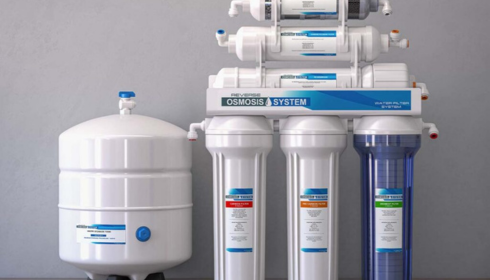
    Now, let’s zoom into the science for a second. If you’ve ever wondered why reverse osmosis (RO) systems get so much attention, it’s because they offer one of the most thorough filtration methods available. The reverse osmosis benefits go beyond just clarity — they tackle microscopic contaminants most filters can’t touch. Heavy metals, fluoride, nitrates, arsenic, and even certain bacteria can be reduced to negligible levels through this process.

    It’s a multi-stage purification journey. Water is pushed through a semi-permeable membrane that blocks particles larger than a water molecule. The result? Exceptionally clean, crisp water that rivals — and often exceeds — bottled quality. Many homeowners describe it as “water that tastes like nothing,” and that’s actually the point. No aftertaste, no chemical tang — just pure hydration the way nature intended.

    RO systems also pair beautifully with whole-house filtration setups. While the main system handles sediment, chlorine, and general impurities, RO focuses on precision — filtering at the molecular level for drinking and cooking. It’s like having a fine-tuned orchestra working together to make your water perfect.


    Living with Clean Water Feels Different

    There’s something almost psychological about knowing your home’s water is clean. It changes the way you interact with it. You start drinking more because it tastes better. You feel more comfortable letting your kids drink straight from the tap. Even small things — like rinsing vegetables or filling the dog’s bowl — become little moments of reassurance.

    And beyond health and safety, there’s pride in taking control. Installing a filtration system isn’t just about removing pollutants; it’s about making a conscious choice for wellness, sustainability, and self-reliance. You’re no longer depending on inconsistent municipal treatment or questionable old pipes. You’re creating your own ecosystem of purity.


    Finding the Right Fit for Your Home

    Choosing a filtration system can feel overwhelming, especially with so many options promising perfection. The trick is to match your solution to your water’s actual problems. Hard water? You’ll want a softener or a system that reduces calcium and magnesium. Chlorine-heavy water? A carbon filter will do wonders. Concerns about heavy metals or chemical contaminants? Reverse osmosis is your best friend.

    Getting a professional water test is always a good first step. It helps you understand what’s lurking beneath the surface — and guides you toward the system that truly meets your needs. Once you know what you’re up against, the rest becomes surprisingly simple.


    The Real Reward: Consistency

    Clean water shouldn’t be a gamble. You shouldn’t have to second-guess what’s coming out of your faucet. The beauty of home filtration lies in consistency — knowing every sip, every shower, every rinse is clean and safe, every single time. It’s peace of mind in liquid form.

    When people talk about investing in quality of life, they often think of vacations, decor, or gadgets. But honestly? Few things improve daily life as much as good water. It’s one of those invisible upgrades that quietly enhances everything else — your health, your comfort, even your mood.

    So, if you’ve been on the fence about installing a filtration system, maybe it’s time. Your future self — drinking a cold glass of fresh, clear water — will probably thank you for it.


    Final Thought:
    Clean water is more than just hydration — it’s the foundation of wellness. Whether it’s a whole-house system or a precision-focused RO unit, the effort pays you back in ways you’ll feel every day. It’s not about being fancy. It’s about being smart, healthy, and intentional about what flows into your life.
  • The Hidden Value of Softer Water — Why It’s More Than Just a Luxury Upgrade

    The Hidden Value of Softer Water — Why It’s More Than Just a Luxury Upgrade

    You probably don’t think much about the water that runs through your house. It’s there when you need it — for your morning coffee, your showers, your laundry — doing its job quietly in the background. But if you’ve ever noticed cloudy spots on your glasses, stiff laundry, or that dry, tight feeling on your skin after a shower, chances are your water is working against you instead of with you.

    That’s what hard water does. It sneaks into your routine and dulls the comfort you didn’t even realize you were missing. And while fixing it sounds simple, the truth is, the difference between hard and soft water can completely reshape how your home feels.

    That’s where things like water tec water softener cost come into play — not as just another home expense, but as an investment in comfort, longevity, and a little peace of mind.


    When “Normal” Water Isn’t Actually Normal

    Let’s start with the basics. Hard water is loaded with minerals like calcium and magnesium. They’re harmless to drink but a headache for everything else — your skin, hair, clothes, and appliances. These minerals leave behind residue called limescale, which slowly clogs pipes, fades fabrics, and makes cleaning feel like a full-time job.

    It’s not something you notice overnight. It creeps in — water pressure drops, your kettle turns chalky inside, and suddenly you’re scrubbing the shower wall every other day. That’s the thing with hard water; it quietly costs you time and money without ever making a sound.

    Softening it doesn’t just make things “nicer.” It resets your entire experience with water.


    The Real Difference You Can Feel

    When you switch to soft water, the changes show up everywhere. Your soap lathers faster. Towels come out fluffier. Your hair actually behaves after a wash. It’s like your home exhales — all those tiny annoyances just… vanish.

    People often describe it as a subtle luxury, but really, it’s a correction. It’s how water should feel. Once you’ve lived with soft water, going back to hard water feels like taking a step back in time.

    Sure, the tech behind softening sounds complicated — ion exchange, resin tanks, regeneration cycles — but the outcome is simple: less buildup, less waste, and more comfort. And that’s worth something.


    The Cost Question That Always Comes Up

    Let’s be real — everyone wonders about price. It’s the first thing homeowners search before they ever call a plumber or consultant. The water tec water softener cost varies depending on size, efficiency, and water conditions, but here’s the key thing: it’s not about the price tag itself. It’s about what it saves you in the long run.

    Think about it — every clogged pipe, every broken heating element, every gallon of detergent you overuse because soap doesn’t lather properly… it adds up. Over time, those quiet costs can easily surpass the price of a good softener system.

    And unlike other home upgrades that fade or break, a softener pays you back daily — through better efficiency, cleaner water, and fewer headaches. It’s the kind of investment that doesn’t shout, but hums quietly in the background, doing good work.


    Conditioner vs. Softener — What’s the Difference?

    Here’s where things can get a little confusing. People often use “softener” and “conditioner” interchangeably, but they’re not exactly the same thing. A water conditioner changes how minerals behave in water rather than removing them entirely. Think of it as a peace treaty between your water and your home — they still coexist, but with less damage.

    Conditioners can reduce scaling and improve water feel without the full chemical process of softening. They’re great for people who prefer low-maintenance systems or live in areas with moderately hard water.

    So, if you’re stuck deciding between the two, it really depends on your goals. Want full softness? Go with a softener. Want scale control with minimal upkeep? A conditioner might be perfect. Either way, it’s about customizing your water to fit your life, not forcing one-size-fits-all solutions.


    How It Actually Works Behind the Scenes

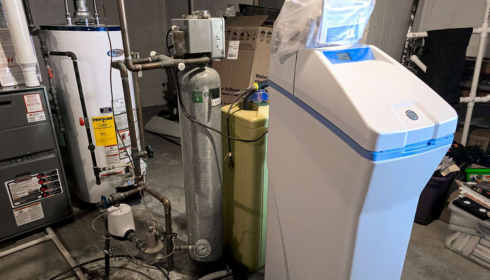
    The process might sound technical, but it’s elegant in its simplicity. Most softeners use a resin tank filled with beads that attract calcium and magnesium — the culprits behind hard water. These minerals are swapped for sodium ions, transforming hard water into soft.

    Then there’s the regeneration cycle, which flushes out the minerals and resets the system automatically. You don’t have to think about it; it just happens quietly in the background.

    Modern systems are smart, too. They monitor water usage, self-clean only when necessary, and conserve salt and water. They’ve evolved from the bulky setups of the past into sleek, efficient units that blend right into your utility space.

    And that brings us to the unsung hero of every household — the water unit that does all the heavy lifting without demanding attention. It’s not glamorous, but it’s the reason your appliances last longer and your showers feel better.


    Why Your Home Will Thank You

    You don’t need to be an expert to notice the benefits. After a few weeks with softened or conditioned water, everything starts to change in small, satisfying ways. Your glassware actually sparkles. Your clothes feel softer. Your skin stops drying out in the winter.

    Even your water heater runs better because it’s not choking on scale deposits. It’s the kind of improvement that’s hard to explain but easy to feel — like living with less friction in your daily life.

    For many homeowners, it’s one of those “why didn’t I do this sooner?” decisions.


    Environmental and Health Perspectives

    Here’s something worth knowing — water softeners and conditioners aren’t just about personal comfort; they’re part of a bigger sustainability story. By improving water efficiency and extending the life of appliances, they reduce waste and energy use. That means a smaller carbon footprint and fewer replacements ending up in landfills.

    From a health perspective, softened water is gentler on skin, especially for people with eczema or sensitivities. It also reduces soap residue, which means less exposure to leftover cleaning agents.

    It’s not about making your water “perfect.” It’s about making it better — for you, your home, and the environment.


    Finding the Right Fit

    Every home’s water situation is different. The hardness level in your city might be totally different from your neighbor’s, and that changes everything — from the system type to the cost. That’s why getting your water tested before buying anything is always the best first step.

    A professional can tell you what you’re actually dealing with, what you need (and don’t need), and help you choose the right setup. Whether that’s a traditional softener or a hybrid conditioner system, you’ll know it’s tailored for your water — not just another random purchase.


    Final Thoughts

    It’s funny how something as ordinary as water can make such a difference once you fix it. Softer water doesn’t just clean better — it feels better, smells fresher, and simply makes life a bit smoother.

    Whether you’re researching systems, comparing water tec water softener cost, or exploring options like a water conditioner or a modern water unit, the takeaway is the same: good water changes everything.

  • When the Water Stops Flowing: The Real Truth About Keeping Your Drains Healthy

    When the Water Stops Flowing: The Real Truth About Keeping Your Drains Healthy

    There’s something oddly satisfying about watching water swirl down a sink. You turn off the tap, and it vanishes — clean, quick, gone. But when that rhythm breaks — when the water lingers, gurgles, or refuses to go down — you suddenly realize how much you depend on that invisible plumbing network beneath your home.

    It’s funny, really. We spend time and money decorating our kitchens and bathrooms, yet the real magic happens behind the walls and under the floors. Those pipes and drains, working quietly and endlessly, deserve more appreciation than they get.


    The Slow Drain That Says “Hey, I’m Not Okay”

    It always starts small. A slow-draining sink here, a faint odor there. You shrug it off, thinking it’ll fix itself. Spoiler alert: it won’t. Clogs don’t appear overnight; they build slowly — grease, soap scum, food particles, hair — forming a grim little mountain of gunk deep inside your pipes.

    That’s where professional drain cleaning becomes your best friend. Sure, you can pour some store-bought chemical down the sink, but that’s like taking painkillers for a broken bone. It hides the problem for a while, but the real blockage remains.

    Experts use special tools — augers, drain snakes, even camera inspections — to find the exact source of the issue. More importantly, they clean your pipes without damaging them. It’s preventative care, not just reactionary repair. A clean drain system doesn’t just run smoother; it lasts longer too.


    When Water Pressure Alone Won’t Cut It

    Sometimes, regular cleaning just isn’t enough. Imagine years of buildup hardened inside the pipes like plaque in arteries. That’s when you need something a little more powerful — something that clears everything in one go without ripping apart your plumbing.

    That something is hydro jetting, a process that sounds high-tech (and kind of is). It uses a high-pressure stream of water to blast away grease, roots, and debris stuck to the walls of your pipes. Think of it as a pressure wash for your plumbing system.

    It’s not just thorough; it’s environmentally friendly too. No harsh chemicals, no unnecessary digging — just pure water and the right pressure. And because it cleans the entire pipe instead of just poking through the blockage, it helps prevent future clogs from forming. If you’ve got recurring drain issues, hydro jetting is often the reset button your system needs.


    The Forgotten Hero in Your Kitchen

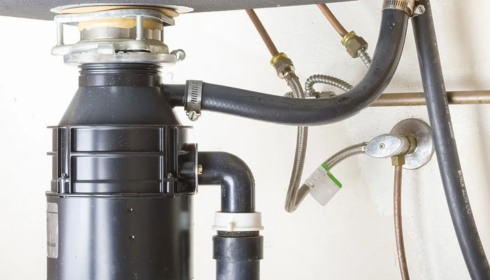
    Let’s talk about the unsung appliance that takes all the blame but rarely gets the love it deserves — your garbage disposal. For most people, it’s a magic hole that makes food scraps disappear. Flip a switch, and the problem’s gone, right? Well… not exactly.

    A disposal isn’t a trash can. It’s designed to handle small bits of organic waste — things like soft veggies, fruit peels, and the occasional leftover pasta noodle. But toss in fibrous vegetables, coffee grounds, or — heaven forbid — grease, and you’re asking for trouble. Those materials don’t grind down well, and they end up clogging your pipes or dulling the blades.

    A good habit? Always run cold water while using your disposal. It helps solidify grease so it can be chopped up before leaving the unit. And every once in a while, toss in some ice cubes or citrus peels. The ice sharpens the blades, and the citrus keeps things smelling fresh. Simple, practical, and surprisingly effective.


    Why DIY Fixes Usually Don’t Stick

    We’ve all been there — standing over a sink, plunger in hand, YouTube tutorial playing on the phone. Sometimes those quick fixes work… temporarily. But the truth is, plumbing problems often go deeper than what you can see.

    Chemical drain cleaners might promise instant relief, but they can corrode pipes and damage seals over time. Improper plunging can push clogs further down, making them even harder to remove later. And makeshift solutions — like wire hangers or “home-made snakes” — can scratch your pipes and cause leaks.

    Professional plumbers have one thing most homeowners don’t: diagnostic tools and experience. They know what to look for, how to fix it, and how to make sure it doesn’t happen again next month. You’re not just paying for a fix — you’re paying for peace of mind.


    The Smells That Tell a Story

    If your kitchen smells like a mix of old dishwater and something vaguely swampy, it’s not your imagination. Those foul odors are warning signs. They usually mean decomposing food or trapped bacteria inside your drain system.

    Ignoring the smell won’t make it go away — it’ll get worse. Professional drain cleaning services can eliminate the source entirely rather than just masking it. It’s the difference between airing out a room and actually cleaning it.

    Smell, in plumbing, is communication. It’s your system’s way of saying, “Hey, I need attention.” Listen early, and you’ll save yourself a lot of headaches later.


    The Invisible Benefits of Regular Maintenance

    People don’t usually think about plumbing maintenance as part of their household routine — but maybe they should. Just like your car needs oil changes or your HVAC system needs tune-ups, your drains and pipes need attention too.

    Routine checkups can catch small leaks before they cause water damage, spot corrosion before it weakens pipes, and identify root intrusion before it breaks through. Preventative care might sound like an extra cost, but it’s far cheaper than emergency plumbing work.

    Plus, regular maintenance means your system runs more efficiently — less strain, fewer surprises, more longevity. It’s a win on every front.


    Plumbing Myths That Refuse to Die

    Here’s a fun one: people think running hot water with grease helps it go down the drain smoothly. In reality, it just helps the grease move further down — where it eventually cools and hardens into a stubborn clog.

    Another myth? That lemons clean your garbage disposal. While they smell nice, they don’t actually clean the blades or the chamber. Use ice for cleaning and lemons for freshness — not the other way around.

    And the biggest myth of all: “If it’s draining, it’s fine.” Just because water disappears doesn’t mean your system’s healthy. Clogs build gradually, and by the time you notice a slowdown, they’ve probably been forming for weeks.


    What a Healthy Plumbing System Feels Like

    When everything’s working right, plumbing feels invisible. There’s no noise, no smell, no slow drainage — just smooth, silent efficiency. But it doesn’t stay that way on its own.

    Healthy plumbing is the result of consistent care — knowing what not to put down the drain, recognizing warning signs early, and trusting professionals when problems arise. It’s about keeping what’s hidden… reliable.

    A clean drain system isn’t something you show off to guests, but it’s the kind of behind-the-scenes stability that keeps life running smoothly. And in a world full of chaos, that’s worth more than it seems.


    Final Thoughts

    Plumbing doesn’t demand attention until it fails — but by then, it’s already a bigger problem. Regular drain cleaning, smart use of appliances like your garbage disposal, and occasional professional help with techniques like hydro jetting can keep everything running beautifully.

  • Why Your Oven Smells Strange — And What You Can Do About It

    Why Your Oven Smells Strange — And What You Can Do About It

    There’s something deeply comforting about baking. That warm hum from the oven, the faint glow through the glass door, the aroma of butter and sugar wafting through the air — it’s a small joy in modern life. But that joy fades fast when a weird smell coming from oven fills the kitchen instead. It’s unsettling — part mystery, part annoyance — and it always seems to show up right when you’re craving cookies.

    So what’s actually going on when your oven decides to smell like burnt plastic, chemicals, or something you can’t even describe? Let’s talk about it — in real terms, not just the “consult your user manual” kind of advice.


    1. That “New Oven” Smell — and Why It’s Not as Nice as It Sounds

    If your oven is brand new, that chemical smell isn’t unusual. It’s often caused by factory coatings or leftover oil burning off during the first few uses. Think of it as the “new car smell” equivalent — except less pleasant. Running the oven empty at a high temperature for about 30–45 minutes (with windows open) usually clears things out.

    But if your oven isn’t new and you’re still noticing odd odors, it might be time to dig a little deeper. Old spills, grease, and forgotten crumbs can burn over and over again, releasing fumes that smell anything but appetizing.


    2. Food Residue: The Silent Smell Maker

    Let’s be honest — most of us don’t clean our ovens as often as we should. Over time, even small spills accumulate and carbonize. Every time the temperature rises, those charred bits get a little more burnt, and the air inside gets a little less pleasant.

    If you’ve been thinking, “my oven smells even when it’s empty,” that’s probably why. Grease doesn’t disappear just because it’s invisible. A deep clean — with baking soda paste, vinegar steam, or a proper oven cleaner — can make a bigger difference than you’d expect. And don’t forget the oven racks; they’re often the smelliest culprits.


    3. Electrical or Plastic Odors: When Things Get Concerning

    Now, if what you’re smelling is more “burning plastic” than “burnt toast,” take it seriously. Sometimes, plastic packaging or utensil pieces fall behind the racks without you noticing. When they melt, the odor is sharp, chemical, and unmistakable.

    Unplug the oven immediately and let it cool before inspecting. Check every corner, including the back and under the heating element. Once the residue’s gone, run a short empty cycle to clear the air.

    But if the smell lingers or returns, you could be dealing with a wiring or insulation issue. That’s not a DIY job — call an appliance technician. A persistent burning odor could mean the internal wiring is overheating, and that’s not something you want to gamble with.


    4. Gas Ovens Have Their Own Smell Stories

    If you own a gas oven, you’re working with an entirely different set of smells. Sometimes, you might catch a faint sulfur or fuel odor when igniting — that’s normal, especially if the flame doesn’t catch immediately.

    However, a strong or continuous gas odor is never okay. Turn the oven off, ventilate your kitchen, and call your gas supplier or local emergency line right away. Natural gas leaks can be dangerous even in small doses, so never take that risk lightly.


    5. When the Oven Smells Like Cleaning Products

    Ironically, sometimes the cleanest ovens smell the worst — at least for a while. Harsh cleaning agents, especially those with ammonia or heavy-duty degreasers, can leave behind chemical residue. The next time you heat things up, it burns off and fills your kitchen with fumes that sting your nose.

    That’s why it’s better to use natural cleaners — vinegar, lemon juice, or baking soda mixtures. They’re slower but safer. And if you’ve already used a store-bought cleaner, run the oven on low heat with the door slightly open for a few minutes to vent it out.


    6. The Case of the “Old House” Oven

    In older homes, ovens sometimes carry a permanent funk. Years of grease, dust, and cooking fumes build up in the exhaust vents or under the stovetop. If your oven stinks when turned on, the issue could be deeper than the visible cavity.

    Try pulling the oven slightly away from the wall and cleaning behind and beneath it — you’d be surprised at what hides there. Pet hair, old crumbs, even burnt foil pieces. These forgotten messes heat up each time you bake and release odors that make you wonder if your lasagna’s haunted.


    7. Preventing Future Smells Without Losing Your Mind

    You don’t need to scrub your oven every week. But making small habits part of your routine can keep things under control. Line trays with foil when baking something drippy. Wipe spills as soon as the oven cools. And every few months, give it a light steam clean — just place a bowl of water and vinegar inside and run it warm for 20 minutes.

    Also, make sure your oven gets proper airflow. If the vents are blocked or dusty, the heat (and the odors) won’t circulate correctly.


    8. When It’s Not the Oven At All

    Here’s a twist — sometimes the oven’s innocent. The smell could be from the range hood filter, nearby electrical outlets, or even the pan you’re using. Nonstick coatings, especially older ones, can release odd smells when overheated. If your oven seems clean but the odor persists, test it by turning it on empty. If there’s no smell, your cookware might be the real suspect.


    Wrapping It Up: Smell Is a Clue, Not Just a Nuisance

    An oven’s smell tells a story — sometimes it’s as harmless as leftover crumbs, other times it’s a sign of something serious. Paying attention to it can save you from burnt dinners, ruined baking days, or even bigger problems.

    If your oven suddenly starts acting up, don’t panic. Open the windows, unplug it, and use your senses. A quick look, a careful sniff (from a distance), and a little cleaning often solve most issues.

    And next time you bake, when that warm, buttery scent finally fills your kitchen again, you’ll know it’s not just nostalgia — it’s the smell of a happy, healthy oven.

  • Why Does My Water Taste Like Metal? The Real Reasons Behind That Strange Flavor

    Why Does My Water Taste Like Metal? The Real Reasons Behind That Strange Flavor

    If you’ve ever taken a sip of water and thought, “Hmm… this tastes weirdly like a coin,” you’re not alone. That odd, metallic tang in your glass can catch anyone off guard — especially when you’re expecting crisp, clean refreshment. The truth is, metallic taste after drinking water isn’t just an inconvenience; it can be a subtle sign of something going on with your plumbing, your pipes, or even your own health.

    Let’s take a closer look at what’s actually behind that taste — and what you can do to fix it before you swear off tap water entirely.


    1. It’s (Probably) the Pipes, Not the Water

    The first place to look is your plumbing. Older homes often have iron, copper, or galvanized steel pipes that can slowly corrode over time. When this happens, tiny bits of metal can leach into your drinking water. The result? That faint (or sometimes strong) metallic edge.

    If you’ve noticed that the taste is worse in the morning or after the water’s been sitting in the pipes for hours, that’s a big clue. Water that’s been stationary tends to absorb more metal ions from old or corroded pipes. Running the tap for a few seconds before filling your glass can help flush that out.

    Still, if the taste persists, it might be time to check your plumbing system or get a quick test kit to see if any metals like iron, zinc, or copper are showing up at higher levels than normal.


    2. Sometimes, It’s All About Minerals

    Not all metallic-tasting water is dangerous. In fact, some minerals naturally present in groundwater can make water taste “metallic” even though it’s perfectly safe. Areas with high concentrations of iron or manganese are especially known for this.

    If your water supply comes from a well or a private source, you might notice slight variations in flavor throughout the year. Seasonal changes, rainfall, and even temperature can influence how much mineral content ends up in your glass. A filtration system designed for heavy metals can help balance out that flavor without stripping the good stuff from your water.


    3. The Chlorine–Metal Interaction Effect

    Municipal water systems often use chlorine to disinfect water. But when chlorine interacts with metal pipes or certain minerals, it can create that sharp, tangy flavor you can’t quite describe. It’s the same reason some people complain that their water “tastes like pennies.”

    If your tap water is heavily chlorinated, an activated carbon filter — even a simple one on your faucet — can make a huge difference. You’ll immediately notice a cleaner, more neutral taste.


    4. Health-Related Causes You Might Overlook

    Sometimes the reason water tastes like metal symptom has nothing to do with your pipes or supply at all. Our taste buds are surprisingly sensitive to changes in the body.

    Certain medications, like antibiotics or antihistamines, can alter your sense of taste temporarily. Vitamin or mineral supplements (especially those containing iron, zinc, or copper) can leave a lingering metallic aftertaste too. Even mild dehydration can enhance that sensation, making plain water taste odd.

    If you only notice the metallic flavor when you’re unwell, taking medication, or after eating certain foods, your taste buds might just be reacting naturally. But if the taste is constant and accompanied by fatigue or nausea, consider checking with a healthcare professional — some medical conditions, like sinus infections or allergies, can affect how we perceive flavors.


    5. What If Your Water Actually Has Metal In It?

    While it’s rare for household tap water to contain dangerous levels of metals, it’s not impossible. Lead, copper, and zinc contamination can sneak into your supply through aging infrastructure — especially in older neighborhoods.

    You might not be able to see or smell the difference, but if water tastes metallic, that could be your first warning sign. Lead exposure, even at low levels, is something you should take seriously, especially if there are kids in the home. The good news is that modern water filters, like reverse osmosis or NSF-certified carbon systems, can effectively remove most of these metals.

    If you’re unsure, contact your local water authority for a free or low-cost testing kit. Testing once a year — especially if you live in an older property — is just good practice.


    6. Simple Fixes That Actually Work

    Let’s be honest — most of us just want our water to taste clean and fresh again. Here are a few quick solutions that often work:

    • Run your tap for 30 seconds before drinking. It helps flush out stagnant water that’s picked up metal residue.
    • Install a filter, even a basic one. It can drastically improve both taste and safety.
    • Clean your faucet aerators. Mineral buildup there can change the taste of your water.
    • Store water in glass containers instead of metal ones. Sometimes the container is the culprit, not the tap.
    • Check your water heater. Sediment buildup inside it can also contribute to off-flavors.

    A combination of these simple fixes can often solve the issue without needing a plumber.


    7. The Final Sip

    At the end of the day, water should be the one thing that doesn’t make you think twice. That crisp, refreshing taste we expect isn’t just about preference — it’s a sign of purity and peace of mind.

    So, if your glass of water starts tasting more like a handful of loose change, don’t ignore it. Whether it’s a simple mineral imbalance or an early clue that something’s off in your pipes, a little curiosity (and maybe a good filter) goes a long way.

    Sometimes, a weird flavor is just nature’s way of reminding us to pay attention. And once you figure it out, that first sip of clean, great-tasting water? It’s unbeatable.

  • Why Modern Workspaces Are Turning to Smarter, Cleaner Water Solutions

    Why Modern Workspaces Are Turning to Smarter, Cleaner Water Solutions

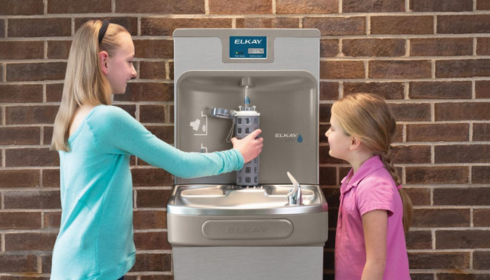
    There’s something oddly satisfying about pressing a button and hearing that clean, cool stream of water splash into your cup. It’s such a simple act, but one that quietly fuels our days at work. Whether it’s a short break between emails or a quick refill before a meeting, water stations have become more than just a convenience—they’re a small but meaningful part of a workplace’s rhythm. And that’s where commercial water fountains come into play.

    The Unseen Backbone of Workplace Wellness

    In today’s world, businesses talk endlessly about productivity, employee satisfaction, and creating healthy work cultures. Yet, it’s often the smallest things that make the biggest difference. Think about it: people spend nearly one-third of their waking hours at work. Hydration isn’t just about quenching thirst—it directly affects focus, energy levels, and even mood.

    So when companies invest in clean, accessible water systems, they’re doing more than installing a utility. They’re investing in people. The modern office water station is no longer an afterthought tucked in a corner—it’s a statement about care, sustainability, and innovation.

    More Than a Fountain: A Shift Toward Smarter Hydration

    The days of those clunky, metal drinking stations are fading. Instead, sleek, touchless, sensor-activated units are taking over. Not only do these reduce waste and prevent contamination, but they also reflect how design and technology can merge to serve everyday human needs.

    Some businesses now install units that track usage, filter automatically, and even report when maintenance is required. That’s the quiet beauty of progress—it’s not flashy, just efficient. And it’s what makes today’s office water dispensers an integral part of modern workspace design. They’re stylish, smart, and surprisingly influential in shaping how teams experience the workplace.

    Clean Water, Clear Mind

    If you’ve ever worked a long day powered by coffee alone, you know how dehydration sneaks up on you. Water is a fundamental part of cognitive clarity, and yet most of us don’t drink enough of it. Having easily accessible, clean, cold water within a few steps of your desk subtly changes that habit.

    Filtered systems take it a step further. They remove impurities, improve taste, and make the simple act of drinking water feel refreshing again. No more plastic bottles piling up. No more wondering what’s really coming out of that tap.

    In fact, installing filtered water fountains sends a quiet but powerful message—it tells employees their well-being matters. It tells clients that sustainability is part of the company’s DNA. And it tells everyone that this is a workplace that values quality, not just convenience.

    Beyond Convenience: The Sustainability Factor

    Here’s something worth thinking about: traditional bottled water delivery systems create tons of plastic waste every year. Even the big jugs used in old-school water coolers need regular replacements and transportation, which add to a company’s carbon footprint.

    By contrast, plumbed-in water fountains and dispensers provide clean water straight from the source, using advanced filters to ensure quality. Over time, that single decision can eliminate thousands of bottles, reduce waste, and save costs. It’s not just good for the planet—it’s smart business.

    Plus, sustainability sells. Clients and employees notice when a company lives its values, not just markets them. It’s one of those intangible factors that strengthens brand reputation and builds long-term trust.

    A Small Detail That Shapes Big Impressions

    Walk into any modern co-working space or corporate lobby, and you’ll likely see how design subtly guides experience. The placement of furniture, lighting, and yes—even water stations—plays a part in how comfortable and welcome people feel.

    That’s why architects and designers now incorporate hydration zones into layouts intentionally. They’re not tucked away anymore; they’re part of the flow. Some are even built into kitchen islands or collaborative zones where conversation happens naturally.

    It’s not just about water—it’s about creating moments of pause, interaction, and connection in fast-paced work environments. A glass of water might seem trivial, but when you multiply that by every person, every day, it becomes a shared ritual that quietly supports community.

    The Tech and Taste of Tomorrow

    We’re at an interesting crossroads where technology meets tradition. Some water fountains now feature touchless activation, adjustable temperatures, and even carbonated options. Others monitor filter life automatically, reminding maintenance teams when service is due.

    The goal isn’t just convenience—it’s consistency. Clean, cold, and always available. In an age where every detail contributes to employee satisfaction, it’s no wonder that modern workplaces are investing in these upgrades.

    And truthfully, it’s about more than hydration. It’s about the sense of reliability that comes from knowing your workplace is designed for comfort and care, not just efficiency.

    So, Why Does It All Matter?

    Because water touches everyone, every day. You don’t need a grand wellness program or fancy perks to make a difference—sometimes, all it takes is making the essentials better.

    In offices where people feel looked after, morale tends to rise. Where the environment is cleaner and more sustainable, pride follows. And when companies embrace these details, they quietly build cultures that last.

    It’s funny how something as simple as water—clear, quiet, and essential—can say so much about who we are as workplaces and as people.

    Whether it’s the hum of a new dispenser or the soft stream of a wall-mounted fountain, it’s not just about hydration. It’s about thoughtfulness made visible.

    So next time you take a sip at work, pause for a second. That cool, refreshing taste? It’s not just water. It’s progress, care, and a tiny everyday luxury we too often take for granted.

  • Understanding the Real Difference Between Residential and Commercial Electricity Rates

    Understanding the Real Difference Between Residential and Commercial Electricity Rates

    Electricity isn’t something most of us think about until the bill arrives. For homeowners, it’s usually a predictable monthly cost, but for businesses, it’s a critical line item that can swing profits up or down. The way energy is priced and delivered to homes versus businesses is more complex than most people realize — and that’s where the conversation around residential vs commercial electricity rates really begins to matter.

    Let’s unpack this in plain English — why businesses and households don’t pay the same rates, how those prices are set, and whether one group is actually getting the better deal.


    Why Businesses Pay Differently Than Homes

    Residential electricity plans are built for convenience and stability. Power companies expect families to use energy mostly during mornings and evenings, when cooking, heating, or cooling systems kick in. The rates are often fixed, predictable, and easier to manage for budgeting purposes.

    Commercial consumers, on the other hand, are a different story. Offices, factories, and stores have unique energy needs — heavy machinery, large lighting systems, or 24/7 operations. Because of that, utility companies offer them specialized pricing structures, often with demand-based charges. These rates take into account not just how much power is used, but when it’s used and how efficiently the business manages that demand.

    It’s a bit like comparing a small grocery run to wholesale shopping — the pricing logic changes entirely when the scale and pattern of consumption shift.


    The Role of Demand Charges and Peak Hours

    For most homeowners, electricity bills depend mainly on total usage measured in kilowatt-hours (kWh). But commercial customers often deal with an extra factor: demand charges.

    These are based on the highest level of energy drawn at any single point during the billing cycle. Imagine a bakery firing up all its ovens and mixers at 7 a.m. — that surge sets the “peak demand” for the month. Even if usage drops later, that brief moment of high demand can raise the entire bill.

    Utilities impose these fees to encourage businesses to balance their energy loads and avoid overloading the grid. It might sound unfair, but it’s a smart system that rewards efficiency and planning — something large operations are usually better equipped to handle than individual homeowners.


    So, Is Commercial Electricity Actually Cheaper?

    This question pops up a lot: is commercial electricity cheaper than residential?

    The answer is — it depends. On paper, commercial rates per kWh can look lower than residential ones, but that’s not the whole story. While businesses often enjoy discounted base rates due to bulk consumption, they also face those hefty demand charges, complex rate tiers, and sometimes time-of-use pricing.

    In contrast, residential users usually pay a straightforward per-unit rate, which might seem higher but comes without those unpredictable extras. So while the sticker price per kWh might favor commercial users, the overall cost can balance out once all the variables are factored in.

    A small café might pay less per unit but end up with a larger bill if it operates inefficiently or during peak hours. Meanwhile, a homeowner running a modest household could pay slightly more per unit but enjoy a simpler, more stable billing model.


    The Impact of Time-of-Use and Tariff Options

    Both households and businesses in many regions can opt for “time-of-use” (TOU) plans. These charge different rates depending on when electricity is used — higher during peak demand hours, lower at night or early mornings.

    For businesses with flexible schedules, this can be a game-changer. A manufacturer that shifts production runs to off-peak times could slash monthly expenses dramatically. Homes, though, have less flexibility — no one wants to wait until midnight to run the dishwasher or turn on the AC.

    The key is awareness. Understanding your usage pattern and comparing tariff options can make a noticeable difference, whether you’re running a household or a hardware store.


    Businesses Have More Negotiating Power

    Here’s something most people don’t know: commercial users can sometimes negotiate electricity rates directly with suppliers, especially in deregulated energy markets.

    This gives them more control — they can compare offers, lock in fixed rates, or even buy renewable energy packages at competitive prices. Homeowners rarely get that level of flexibility.

    So while business energy bills are more complicated, they also come with more levers to pull for potential savings. That’s one reason large companies often hire energy consultants or install smart systems to monitor real-time usage — every saved kilowatt adds up across multiple locations.


    The Broader Question: Who Has It Better?

    When you look closely, the question shifts from “Who pays less?” to “Who uses energy more efficiently?” Efficiency, not just the unit rate, determines the real cost of power.

    A high-rise office running outdated HVAC systems can end up paying more per square foot than a family in a modern, energy-efficient home. On the flip side, a well-optimized industrial setup can outperform even the most careful household in cost per kWh.

    That’s why when people ask, is electricity cheaper for business or residential, the fairest answer is — cheaper for those who manage it better. The structure might favor businesses in some ways, but discipline and optimization always win.


    The Bottom Line

    Residential and commercial energy systems are built for different realities. Homes prioritize comfort, simplicity, and predictability. Businesses focus on scale, control, and optimization.

    Neither side is getting an unfair advantage — they’re simply playing by different rules. The real opportunity lies in understanding how those rules work for you and adapting your habits around them.

    So whether you’re a homeowner trying to trim your monthly bill or a small business owner exploring flexible tariffs, remember that electricity pricing isn’t just about cost per unit. It’s about behavior, timing, and a bit of strategy.

    In the end, the smartest users — not necessarily the biggest — are the ones who save the most.

  • Clean Water, Clear Mind: Why Quality Treatment Matters More Than Ever

    Clean Water, Clear Mind: Why Quality Treatment Matters More Than Ever

    There’s something deeply satisfying about turning on your kitchen tap and watching a steady stream of clean, clear water pour out. You trust it. You drink it. You cook with it. Yet, behind that everyday convenience lies a quiet complexity — a world of pipes, filters, and purification systems working tirelessly to keep your home safe. That’s where professionals like hm northcutt water treatment come into play. They’re not just in the business of filtering water — they’re in the business of preserving health, convenience, and peace of mind.

    The Hidden World Beneath the Tap

    Most of us don’t give much thought to what’s flowing through our faucets. But the truth is, water can carry more than just the good stuff. Minerals, sediments, bacteria, and even industrial pollutants often make their way into household water lines. Left untreated, these impurities can cause everything from scale buildup in appliances to more serious health concerns.

    A good treatment system doesn’t just remove visible particles — it eliminates invisible threats. Whether it’s hard water spots on your shower glass or an odd metallic taste in your morning coffee, these small annoyances are signs of deeper issues. That’s why homeowners are increasingly turning to advanced filtration systems for long-term reliability and safety.

    Why Professional Repair Beats the DIY Route

    When something goes wrong with your filtration setup, it’s tempting to grab a wrench and dive right in. But water systems are delicate. Missteps can make matters worse — leaks, pressure drops, even system contamination. That’s why finding a trusted water filter system repair company is essential.

    Experts bring more than tools to the job. They bring diagnostic precision — identifying not just what’s broken but why. They understand flow rates, filtration stages, and chemical balances. They can pinpoint whether your carbon filters are clogged, your membranes are worn out, or your UV lights are failing. It’s not just about fixing a leak; it’s about restoring the purity and efficiency of your entire setup.

    When Installation Becomes an Art Form

    Setting up a water filtration system might sound simple — a few hoses, a filter housing, a connection to the main line. But anyone who’s been through a botched installation knows how quickly “simple” can turn into “nightmare.” Professional installers, such as those experienced with hm northcutt filtration system installation, don’t cut corners.

    They evaluate the home’s water pressure, layout, and family size before suggesting the right system. They consider everything from pre-filters to post-treatment maintenance. It’s craftsmanship that combines plumbing knowledge with environmental science — ensuring the water flowing through your pipes is not just clean, but consistently reliable.

    The Real Cost of Poor Water

    There’s a hidden price tag attached to neglecting your water system. Hard water alone can shorten the lifespan of dishwashers, washing machines, and water heaters by years. Pipes corrode faster, clothes wear out sooner, and even your skin and hair feel the effects.

    Many homeowners only realize the true value of good water treatment after seeing the difference it makes. Dishes come out spotless. Soap lathers better. Skin feels smoother. Coffee tastes richer. Clean water quietly enhances almost every aspect of daily life — and the payoff is both immediate and long-lasting.

    Sustainability Starts at Home

    Beyond comfort and convenience, there’s an environmental angle to all of this. When your system runs efficiently, you waste less water. You buy fewer plastic bottles. You extend the lifespan of appliances, reducing landfill waste.

    Good water management isn’t just about personal health — it’s about global responsibility. Companies that focus on sustainable treatment options help reduce chemical waste and promote greener communities. It’s a ripple effect that starts with one simple decision: investing in quality water treatment.

    Trust, Transparency, and Technical Know-How

    In today’s world, where every company claims to be the “best,” trust is earned through results. That’s what sets experienced teams apart. They don’t just install and walk away; they educate homeowners, explaining how to maintain filters, when to schedule servicing, and what warning signs to look for.

    Good service feels personal. You’re not just another customer on a call sheet — you’re someone whose home and health matter. That human connection is what transforms an ordinary service into a long-term partnership.

    Final Thoughts: Water You Can Believe In

    Clean water is one of life’s simplest pleasures, but achieving it requires a mix of science, skill, and sincerity. Whether it’s repairing an aging filter, upgrading to a smarter system, or ensuring safe installation, professionals who truly understand water make a difference that lasts.

    At the end of the day, it’s not just about the system you install — it’s about the confidence you feel every time you pour a glass, fill a pot, or wash your hands. That’s what quality water treatment delivers: peace, purity, and a touch of everyday magic.

    Because the real luxury isn’t bottled water or designer fixtures — it’s knowing that what comes out of your tap is clean, safe, and dependable. And that’s something worth investing in.

  • The Power of Perspective: Why Expert Witnesses Can Make or Break a Case

    The Power of Perspective: Why Expert Witnesses Can Make or Break a Case

    There’s something quietly fascinating about courtroom battles — the tension, the persuasion, the clash of facts and opinions. But beneath all that drama, one key player often determines which way the scales tip: the expert witness. Their testimony doesn’t just fill gaps in evidence; it often defines how truth is understood in the eyes of the law.

    In the world of complex litigation, expertise isn’t just valuable — it’s essential. Lawyers may be skilled in argument, but when it comes to explaining medical errors, financial fraud, or engineering failures, that’s where the experts step in. These are people whose voices carry authority because they’ve spent years — sometimes decades — immersed in their field.


    The Real Value of Expert Witnesses

    What makes an expert witness truly special isn’t just their credentials; it’s their ability to translate complexity into clarity. Imagine a jury of everyday citizens trying to make sense of a biochemical analysis or a structural collapse report. Without an expert to interpret that data, it’s like giving someone a puzzle without all the pieces.

    This is where expert witness services come into play. They bridge the gap between technical knowledge and legal understanding. A solid service doesn’t just hand you a name from a directory; it finds the right professional who can communicate effectively, stay objective under pressure, and, above all, enhance the credibility of your argument.

    The beauty lies in balance — too much technical jargon, and the jury tunes out; too little depth, and the testimony loses weight. The right witness knows how to walk that fine line.


    A Network Built on Trust and Knowledge

    Behind every powerful courtroom testimony, there’s usually a network working quietly in the background. Think of it as a professional ecosystem — a web of specialists in medicine, finance, engineering, psychology, and more. Each one brings a unique slice of expertise, and together, they form a crucial support system for attorneys and law firms.

    This is where an expert witness network really shines. Instead of scouring the internet or relying on word-of-mouth, law professionals gain access to a curated pool of pre-vetted experts who understand how to navigate the courtroom dynamic. They know how to communicate with lawyers, handle depositions, and present their findings with confidence and composure.

    It’s not just about credentials anymore; it’s about chemistry and communication. A well-structured network ensures that when a lawyer says, “I need an economist who’s testified in class-action suits before,” they’re connected with someone who’s been there — not someone learning on the job.


    Litigation Isn’t Just About Law; It’s About Storytelling

    Every trial is, at its heart, a story. There’s a beginning (the event), a conflict (the accusation), and a resolution (the verdict). And every story needs characters the audience can trust. The expert witness plays that role — the rational narrator who helps everyone make sense of the chaos.

    A seasoned litigation expert witness doesn’t just recite facts; they build context. They explain cause and effect, simplify data without dumbing it down, and bring logic to emotionally charged debates. Their testimony isn’t just informative — it’s persuasive, and it often carries the quiet authority that sways juries toward reason rather than rhetoric.

    Good litigation experts know how to remain impartial yet impactful. They understand that credibility is everything — and credibility is earned, not claimed. Whether it’s a civil dispute or a high-stakes criminal defense, the expert’s ability to explain why something happened often carries more weight than simply stating what happened.


    The Fine Line Between Expertise and Advocacy

    One of the trickiest aspects of being an expert witness is staying objective. There’s a temptation, especially when hired by a particular side, to lean in favor of the client’s argument. But the most respected experts know better. They recognize that their long-term reputation matters more than a single courtroom victory.

    That’s also why law firms prefer working with networks and agencies that have a track record of vetting professionals who maintain ethical integrity. The goal is not to find someone who will say what you want to hear, but someone whose words will hold up under cross-examination.

    When an expert can calmly answer a lawyer’s toughest question without flinching, it speaks volumes about their credibility — and by extension, the strength of the case itself.


    Why the Human Factor Still Matters

    In an age where AI and data analysis dominate so many industries, the human element of expert witnessing remains irreplaceable. You can’t train a machine to convey sincerity or interpret tone, emotion, and context — the subtle cues that juries instinctively respond to.

    That’s the difference between a dry report and a compelling courtroom narrative. The expert’s role goes beyond explanation; it’s about connection. They make juries care about the facts, not just hear them.

    The most memorable expert testimonies aren’t necessarily the most technical. They’re the ones that feel human — stories that make sense, told by someone who clearly knows their craft.


    Closing Thoughts

    The legal world may revolve around rules and evidence, but in truth, it thrives on persuasion and credibility. Expert witnesses give structure to arguments and substance to claims. They help transform legal strategy into something tangible — something that makes sense to the people who matter most: the jury.

    When you step back, it’s easy to see why attorneys invest so much time and trust in the right experts. They don’t just bring knowledge; they bring clarity, credibility, and conviction. In a system built on truth, that combination can be the difference between winning and losing.

    The next time you hear about a high-profile case or see a courtroom drama unfold, remember this: behind every powerful argument, there’s often a quiet voice of reason — the expert who helps everyone else see the bigger picture.

  • A Warm Balance: Finding the Perfect Water Heater for Your Home

    A Warm Balance: Finding the Perfect Water Heater for Your Home

    There’s something oddly comforting about a hot shower after a long day. That first burst of warmth washing away stress, the steam curling through the air — it’s one of life’s simplest luxuries. But when the water suddenly runs cold halfway through, that comfort disappears faster than you can mutter a few choice words.

    It’s in that shivering, towel-grabbing moment most people realize their water heater might not be pulling its weight. Maybe it’s too small. Maybe it’s working overtime just to keep up. Either way, size matters — more than most homeowners realize.

    Choosing the right-sized water heater isn’t just about avoiding cold showers. It’s about energy efficiency, cost savings, and long-term reliability. Yet, too many people just take a guess or grab whatever’s in stock at the hardware store. Let’s change that.


    Why Water Heater Size Isn’t a “One Size Fits All” Situation

    A water heater is a bit like a kitchen — you don’t notice how essential it is until something goes wrong. And while every home needs hot water, every home uses it differently.

    Families with kids who all shower back-to-back? They’ll drain a tank faster than a solo apartment dweller who only showers once a day. Add in dishwashers, washing machines, and maybe that luxurious soaking tub you splurged on — and you start to see how much variation there really is.

    That’s where understanding how to determine what size water heater you need becomes important. It’s not rocket science, but it does take a bit of thought. The goal is to find that sweet spot: enough hot water for your household’s busiest moments, without wasting energy heating gallons you’ll never use.


    The Key Factors to Consider

    Before diving into numbers, it helps to know what actually affects your hot water needs. It’s not just about how many people live in your home — it’s about how you live.

    • Household size and habits: A family of four likely needs more capacity than a single occupant, but the timing of usage matters too. Do you all shower at the same time in the morning, or is it spread throughout the day?
    • Appliances: Dishwashers and washing machines can pull serious gallons during peak use.
    • Water temperature rise: The colder your incoming water, the harder your heater must work to reach a comfortable temperature. A house in Minnesota has different needs than one in Arizona.
    • Energy source: Gas heaters generally recover faster than electric models, which means you might get away with a smaller tank if you’re using gas.

    All these details come together to create your home’s “peak hour demand” — basically, how much hot water you need during the busiest time of day. That’s the number to keep in mind.


    Doing the Math (Without Overcomplicating It)

    Here’s the simple version: for storage tank heaters, look at the First Hour Rating (FHR). That tells you how much hot water the heater can deliver in one hour when starting with a full tank.

    If your household’s peak usage is around 60 gallons (say, three showers and a dishwasher running close together), look for a water heater with an FHR near that number. Tankless models are different — instead of gallons per hour, they measure capacity in gallons per minute (GPM).

    So if you run two showers (2.5 GPM each) and a sink (1 GPM) at the same time, you’d need a unit that handles at least 6 GPM.

    It’s not about memorizing equations — it’s about matching your habits to the heater’s output.

    Once you start looking at your daily patterns, you’ll get a clearer picture of what size water heater do i need to comfortably meet your home’s demands.


    The Dangers of Guessing (and Oversizing)

    Many homeowners fall into one of two traps: undersizing or oversizing.

    A heater that’s too small will constantly run out of hot water, especially during peak hours. You’ll notice the frustration fast. But one that’s too large? That’s a slower, sneakier problem. It wastes energy — and money — by keeping more water hot than you’ll ever use.

    Think of it like buying a car. Sure, a big SUV might sound nice, but if you only ever drive alone, you’re just burning extra fuel for no reason. Same idea here.

    Oversized heaters also tend to wear out faster, cycling on and off unnecessarily. It’s all about balance — and that’s why sizing isn’t just a technical decision; it’s a lifestyle one.


    Tank vs. Tankless — Does It Change the Equation?

    Absolutely. Traditional tank-style heaters store hot water, so you’re working with volume — 30, 40, 50 gallons, etc. Once that tank’s empty, you wait for it to refill and reheat.

    Tankless (on-demand) systems, however, heat water as it flows. That means you’ll never technically “run out,” but there’s a catch: the system can only handle so much flow at once. Turn on too many taps, and the water might not get hot enough.

    So even with tankless systems, you’ll still want to calculate demand. The question becomes how big a water heater do i need in terms of flow rate, not storage.

    For larger families, sometimes the solution isn’t just a bigger unit — it’s installing two smaller ones, positioned strategically to split the load. Efficiency, convenience, and redundancy, all in one move.


    Energy Efficiency: The Bonus You Didn’t Know You Needed

    Getting the right size doesn’t just make your mornings better; it saves money in the long run. A properly sized water heater doesn’t overwork, doesn’t waste energy, and lasts longer.

    Energy-efficient models, especially those with an ENERGY STAR rating, can cut bills by up to 30%. Add insulation or a timer to reduce standby heating losses, and suddenly that “boring home upgrade” starts paying for itself.

    The best part? Comfort and sustainability go hand in hand here. No cold showers. No guilt about waste. Just practical, everyday comfort done right.


    When in Doubt, Ask the Pros

    Sure, online calculators and guides help — but there’s real value in having a plumber or HVAC specialist evaluate your home. They can account for things you might overlook: pipe layout, local water temperature, or even hidden efficiency issues.

    And unlike a quick Google search, they’ll tailor recommendations specifically to your space and usage. Because no two homes are truly alike — and no one wants to spend thousands only to end up with the wrong fit.


    Wrapping It Up (Warmly)

    At the end of the day, finding the right water heater is about balance — comfort, efficiency, and common sense working together. It’s not the flashiest home improvement project, but it’s one that pays off every single day you turn that tap.