Blog

  • The Quiet Science Behind Better Water: Why Filtration Matters More Than You Think

    The Quiet Science Behind Better Water: Why Filtration Matters More Than You Think

    There’s something oddly comforting about turning on the tap and watching water flow. It feels simple, automatic — almost invisible in our daily routines. Yet beneath that everyday convenience lies a surprisingly complex journey. Water travels through pipes, treatment facilities, storage systems, and sometimes even natural underground sources before it reaches your home.

    And along the way, it collects more than just minerals. It can carry traces of chemicals, microscopic particles, and subtle impurities that don’t always change how it looks — but absolutely affect how it tastes, smells, and interacts with your body.

    Most people don’t think much about this until they notice something feels… off. Maybe the water tastes metallic, leaves a chalky residue, or just doesn’t feel as refreshing as it should. That’s often the moment curiosity turns into action — and filtration becomes part of the conversation.

    Why Water Quality Is More Than a Health Issue

    When we talk about water quality, the conversation usually starts with health. And that makes sense — after all, we drink it every day.

    But the impact of water goes far beyond hydration. It touches everything: cooking, cleaning, bathing, even how appliances perform. Poor-quality water can quietly influence daily life in ways that are easy to overlook but impossible to ignore once they improve.

    For example, minerals in untreated water can build up inside pipes, reduce soap effectiveness, and create stubborn stains on sinks or glassware. Meanwhile, chemical residues can subtly alter flavor, making drinking water feel less enjoyable.

    It’s not just about safety. It’s about experience — how water feels to use, how it supports comfort, and how seamlessly it fits into daily life.

    The Technology That Makes Water Cleaner

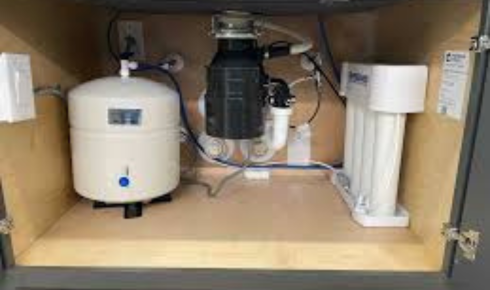
    One of the most effective ways to improve water quality is through reverse osmosis systems. Despite the technical name, the concept is actually straightforward.

    Reverse osmosis works by pushing water through a semi-permeable membrane that blocks contaminants while allowing clean water molecules to pass through. This process removes dissolved solids, heavy metals, and even some microscopic impurities that traditional filters can’t capture.

    What makes this technology especially valuable is its thoroughness. It doesn’t just improve taste or clarity — it fundamentally changes the purity level of water, bringing it closer to its natural state.

    For homeowners, this often translates into a noticeable shift in everyday routines. Coffee tastes smoother. Cooking flavors become more vibrant. Even simple tasks like making tea or washing produce feel subtly different.

    Understanding the Role of Filtration Layers

    While reverse osmosis often gets the spotlight, it’s only part of a broader filtration process.

    Most advanced systems rely on multiple stages, each designed to address specific types of contaminants. One of the key methods involved is membrane filtration, which acts as a physical barrier to trap particles, bacteria, and dissolved solids at the microscopic level.

    This layered approach ensures that water is treated comprehensively rather than relying on a single filtering step.

    Think of it like a security checkpoint with several layers of screening. Each stage removes different types of unwanted substances, resulting in water that’s significantly cleaner by the time it reaches your glass.

    This multi-stage design is one reason why modern filtration systems are far more effective than older methods that relied on simple carbon filters alone.

    Everyday Benefits That Go Beyond the Obvious

    What surprises many homeowners is how quickly they notice practical improvements after installing advanced filtration.

    For starters, the taste difference is immediate. Clean water feels crisp, neutral, and refreshing — without the lingering aftertaste that untreated water sometimes carries.

    But the changes don’t stop there.

    Filtered water interacts better with soap and detergents, which means cleaning becomes easier. Glassware dries without streaks. Clothes feel softer after washing. Even skin can feel less irritated after bathing.

    These everyday shifts might seem small individually, but together they create a more comfortable living environment.

    A Long-Term Investment in Health and Convenience

    Beyond convenience, access to purified drinking water offers long-term benefits that extend into both health and lifestyle.

    When water tastes better and feels cleaner, people naturally consume more of it. That increased hydration supports overall well-being without requiring major lifestyle changes.

    At the same time, reducing reliance on bottled water helps lower plastic waste and saves money over time. It’s a practical step toward sustainability that fits seamlessly into daily routines.

    And perhaps most importantly, cleaner water reduces the burden on plumbing systems and appliances, helping them operate more efficiently and last longer.

    Why Clean Water Feels Like a Subtle Upgrade

    Unlike major home renovations, water filtration doesn’t dramatically change how a house looks. There’s no visible transformation, no flashy improvement.

    Instead, the benefits appear gradually — in better-tasting meals, more comfortable showers, and smoother daily routines.

    Over time, these small changes add up to something meaningful. Water becomes less of a concern and more of a reliable foundation for everyday living.

    It’s a quiet upgrade, one that works in the background without demanding attention.

    The Bigger Picture of Water Quality

    As awareness grows about environmental sustainability and personal wellness, water filtration is becoming less of a luxury and more of a practical necessity.

    People are beginning to understand that clean water isn’t just about avoiding problems — it’s about enhancing quality of life.

    From improving taste and comfort to protecting household systems, effective filtration transforms water from a basic utility into a dependable asset.

    And perhaps that’s the most important takeaway: when water is truly clean, you don’t have to think about it at all. It simply supports your daily life — quietly, consistently, and reliably — exactly the way it should.


  • When a Roof Starts Talking: The Quiet Signs Your Home Shouldn’t Ignore

    When a Roof Starts Talking: The Quiet Signs Your Home Shouldn’t Ignore

    Most homeowners don’t think much about their roof — at least not until it gives them a reason to. It’s one of those silent protectors, working day and night without asking for attention. Rain hits it, sunlight bakes it, wind tests it. And for years, sometimes decades, it simply does its job.

    But here’s the thing: roofs do talk. Just not loudly.

    They whisper through subtle signs — a small stain on the ceiling, a loose shingle after a storm, or a draft that wasn’t there last winter. The trick is learning how to listen before those whispers turn into expensive emergencies.

    The Early Clues Most People Miss

    It often begins with something small. Maybe you notice tiny granules collecting near the gutters. Or a patch of shingles looks slightly darker than the rest. You might even hear faint creaking sounds during heavy winds.

    These aren’t random occurrences. They’re warning signals.

    Over time, roofing materials naturally wear down. Temperature shifts cause expansion and contraction. Moisture slowly seeps into vulnerable areas. Even the strongest roofing systems face gradual aging.

    Ignoring these early signs usually leads to more complicated problems later — and that’s where timely roof repair becomes incredibly important.

    Why Quick Repairs Matter More Than You Think

    Some homeowners assume small roof issues can wait. After all, if there’s no visible leak, everything must be fine, right?

    Not exactly.

    Even minor damage can allow moisture to penetrate beneath the surface layers. Once water enters, it doesn’t just stay in one spot. It travels through insulation, wood framing, and sometimes even electrical systems.

    The longer these issues go untreated, the more they spread.

    A quick repair can prevent structural deterioration, mold growth, and costly interior damage. In many cases, fixing a small issue early costs a fraction of what larger restoration projects require.

    When Repairs Aren’t Enough

    There comes a point, though, when repairs no longer provide lasting solutions. If a roof has widespread wear, repeated leaks, or visible sagging, patchwork fixes may only delay the inevitable.

    This is when homeowners start considering roof replacement — a decision that often feels overwhelming at first.

    But replacing a roof isn’t just about solving problems. It’s about resetting the clock on your home’s protection. A new roof can last decades, offering peace of mind through storms, seasonal changes, and everyday exposure.

    Understanding Modern Roofing Materials

    Today’s roofing options have evolved significantly. Advances in technology have made materials more durable, energy-efficient, and visually appealing than ever before.

    One of the most popular choices remains asphalt shingle roofing, and for good reason.

    These shingles combine affordability with reliable performance. They come in a wide range of styles and colors, allowing homeowners to match their roof to their home’s architectural character.

    Modern asphalt shingles also include improved weather resistance, UV protection, and longer lifespans compared to earlier versions.

    The Hidden Role of Roof Ventilation

    Many people focus only on the visible parts of a roof, but what lies beneath is equally important.

    Proper ventilation plays a major role in roof longevity. Without adequate airflow, heat and moisture can become trapped in attic spaces.

    Over time, this buildup can warp roofing materials, weaken insulation, and even increase energy costs.

    Good ventilation systems allow hot air to escape and fresh air to circulate, helping the roof maintain stable conditions year-round.

    Energy Efficiency Starts at the Top

    A well-maintained roof does more than prevent leaks — it directly impacts energy efficiency.

    When roofing systems deteriorate, insulation performance often suffers. Heat can escape during winter, while summer temperatures penetrate more easily.

    Upgrading roofing materials or improving insulation can significantly reduce heating and cooling expenses.

    Many homeowners notice lower utility bills after investing in roofing improvements, even if they didn’t initially expect that benefit.

    Weather Resilience in a Changing Climate

    Weather patterns have become increasingly unpredictable. Heavy rains, stronger winds, and extreme temperature swings are more common than they once were.

    This makes roof durability more important than ever.

    Modern roofing systems are designed to withstand these challenges. Impact-resistant materials, reinforced underlayment, and improved sealing techniques all contribute to stronger protection.

    A resilient roof acts as a first line of defense against environmental stress.

    Emotional Peace of Mind

    Beyond practical benefits, there’s something deeply reassuring about knowing your home is protected from above.

    A strong, well-maintained roof brings a sense of security. You don’t worry during heavy storms. You don’t check ceilings for stains after rainfall.

    That peace of mind is difficult to quantify — but homeowners often describe it as one of the most valuable outcomes of roofing upgrades.

    Investing in Long-Term Protection

    Roofing decisions aren’t just about immediate needs. They’re long-term investments in safety, comfort, and property value.

    Regular inspections, timely repairs, and thoughtful upgrades can extend a roof’s lifespan significantly.

    And when replacement becomes necessary, choosing quality materials and professional installation ensures lasting results.

    Listening Before It’s Too Late

    Roofs rarely fail without warning. They offer clues long before major problems appear.

    By paying attention to those signals — the small stains, loose shingles, or subtle drafts — homeowners can address issues early and avoid unnecessary stress.

    Because at the end of the day, a roof isn’t just a structural component. It’s a quiet guardian, standing between everything you care about and the unpredictable world outside.

    And sometimes, all it asks is that you listen.

  • Dog Obedience Trainers for Better Behavior & Strong Bonds

    Dog Obedience Trainers for Better Behavior & Strong Bonds

    In today’s fast-paced world, professional dog obedience trainers play a vital role in shaping balanced, confident companions. From managing common behavioral challenges to building stronger communication, expert training creates lasting improvements in a dog’s behavior and lifestyle. With structured programs and proven techniques, Rob’s Dog Training provides professional guidance that helps dogs develop discipline while strengthening trust between dogs and owners.

    Modern dog training focuses on more than teaching basic commands. It combines behavioral science, positive reinforcement, and customized strategies to address each dog’s unique temperament. As a result, professional training helps create well-adjusted pets that respond consistently, adapt socially, and thrive in different environments.

    Why Choose Professional Dog Obedience Trainers?

    Professional dog obedience trainers offer specialized knowledge and structured programs designed to improve both behavior and communication. Unlike self-training methods that rely on trial and error, professional trainers apply proven approaches that encourage positive habits and eliminate undesirable behaviors.

    Dog training programs often focus on:

    • Behavioral psychology and learning patterns
    • Positive reinforcement techniques
    • Socialization and environmental exposure
    • Consistent command development
    • Confidence building and emotional stability

    This structured approach supports long-term behavioral transformation rather than temporary fixes. Dogs learn expected behaviors clearly, while owners gain practical strategies for maintaining results.

    Professional training also reduces frustration caused by inconsistent discipline. Clear communication, predictable routines, and structured learning environments help dogs understand expectations quickly. This leads to improved responsiveness, better focus, and a calmer household.

    Understanding the Science Behind Dog Behavior Training

    Effective dog behavior training relies on understanding how dogs learn and respond to stimuli. Professional dog obedience trainers use reinforcement-based methods that reward desirable behaviors while redirecting unwanted actions.

    Dogs respond strongly to:

    • Repetition and consistency
    • Positive associations
    • Clear timing of rewards
    • Structured routines
    • Environmental cues

    Training grounded in behavioral science encourages lasting learning. Dogs develop strong neural associations between commands and actions, which results in reliable responses across different situations.

    Additionally, professional training addresses emotional triggers such as fear, anxiety, or overstimulation. By identifying the root cause of behavioral issues, trainers can design personalized solutions that promote emotional balance and confidence.

    Key Benefits of Expert Dog Training Programs

    1. Consistent Behavior Improvement

    Professional dog obedience trainers establish structured routines that reinforce desired behaviors. Regular practice and reward-based learning encourage consistency, helping dogs respond reliably to commands in various environments.

    Dogs trained through professional programs often demonstrate improved focus, impulse control, and discipline. This consistency enhances everyday interactions and reduces behavioral challenges.

    2. Stronger Human–Dog Communication

    Clear communication is essential for successful training. Professional trainers teach precise commands, body language cues, and timing techniques that improve understanding between dogs and owners.

    Improved communication minimizes confusion and creates predictable interactions. Dogs learn to interpret signals accurately, leading to faster responses and reduced stress.

    3. Enhanced Socialization Skills

    Socialization plays a critical role in shaping a dog’s behavior. Professional training introduces dogs to controlled environments where exposure to new experiences builds confidence and adaptability.

    Training programs typically include:

    • Interaction with unfamiliar people
    • Exposure to different sounds and settings
    • Controlled encounters with other animals
    • Environmental confidence exercises

    This exposure helps dogs remain calm and composed in public spaces.

    4. Reduction of Problem Behaviors

    Professional dog obedience trainers address common behavioral issues such as excessive barking, leash pulling, aggression, and separation anxiety. Training focuses on replacing negative behaviors with appropriate alternatives, creating long-term change.

    Behavior modification techniques target underlying triggers rather than surface symptoms, ensuring sustainable improvement.

    5. Improved Safety and Control

    Reliable obedience enhances safety in everyday situations. Dogs that respond consistently to commands such as recall, stay, and leave-it are easier to manage in public environments.

    Better control reduces the risk of accidents, supports responsible pet ownership, and creates a more secure environment for both dogs and families.

    6. Stronger Emotional Well-Being

    Training contributes to a dog’s mental and emotional health. Structured activities provide stimulation, reduce anxiety, and build confidence. Dogs with clear guidance and consistent routines experience lower stress levels and greater emotional stability.

    Essential Commands Taught by Dog Obedience Trainers

    Professional dog obedience trainers typically focus on foundational commands that support discipline and control. These commands serve as building blocks for advanced training.

    Core commands include:

    1. Sit – Encourages focus and impulse control.
    2. Stay – Promotes patience and safety.
    3. Come – Ensures reliable recall in different environments.
    4. Heel – Improves leash behavior and walking control.
    5. Leave It – Prevents dangerous or unwanted interactions.
    6. Down – Supports calm behavior and relaxation.

    Mastering these commands improves daily interactions and creates a structured behavioral foundation.

    How Positive Reinforcement Improves Training Results

    Positive reinforcement is widely recognized as one of the most effective training methods. This approach rewards desired behavior, encouraging dogs to repeat actions that produce positive outcomes.

    Benefits of reward-based training include:

    • Faster learning and retention
    • Reduced fear or anxiety
    • Stronger motivation to perform tasks
    • Increased trust and engagement
    • Long-term behavioral consistency

    Rather than relying on punishment, positive reinforcement focuses on encouraging success. This creates a supportive learning environment that strengthens the bond between dogs and owners.

    The Importance of Early Obedience Training

    Early training plays a crucial role in shaping a dog’s long-term behavior. Puppies and young dogs are highly receptive to learning, making early socialization and obedience training especially effective.

    Early training helps:

    • Prevent future behavioral issues
    • Establish positive habits
    • Build confidence and adaptability
    • Improve social interactions
    • Develop consistent routines

    Professional dog obedience trainers provide structured programs that guide young dogs through critical developmental stages, ensuring a strong behavioral foundation.

    Choosing the Right Dog Obedience Trainers

    Selecting qualified dog obedience trainers is essential for achieving effective results. Professional expertise, training methods, and program structure significantly impact success.

    Consider the following factors when evaluating trainers:

    Experience and Credentials

    Look for trainers with proven experience handling different breeds, temperaments, and behavioral challenges. Knowledge of canine behavior science ensures effective training strategies.

    Evidence-Based Training Methods

    Reliable trainers use positive reinforcement and research-backed techniques that support ethical and effective learning.

    Customized Training Plans

    Each dog has unique behavioral needs. Personalized training programs address specific challenges and goals.

    Clear Communication

    Professional trainers provide transparent guidance, measurable progress updates, and practical techniques for maintaining results.

    Structured Programs

    Well-designed training programs include clear objectives, consistent sessions, and progressive learning stages.

    Choosing experienced trainers ensures safe training practices and lasting behavioral improvements.

    Common Behavioral Challenges Addressed by Dog Obedience Trainers

    Professional dog obedience trainers handle a wide range of behavioral issues that affect everyday life. Addressing these challenges early improves quality of life for both dogs and owners.

    Common issues include:

    • Aggressive or reactive behavior
    • Excessive barking
    • Jumping on people
    • Destructive chewing
    • Fear-based responses
    • Poor leash manners
    • Lack of attention or focus

    Training programs identify triggers and develop targeted strategies to correct these behaviors effectively.

    Long-Term Impact of Professional Dog Training

    The benefits of professional dog obedience training extend far beyond immediate behavioral improvements. Structured training creates lifelong habits that enhance a dog’s quality of life.

    Long-term advantages include:

    • Improved adaptability to new environments
    • Stronger emotional resilience
    • Better social interactions
    • Consistent response to commands
    • Increased confidence and independence

    Dogs that receive professional training are more likely to integrate smoothly into family life and public settings.

    Building Trust Through Structured Training

    Trust is a fundamental component of successful dog training. Structured programs encourage predictable interactions, clear expectations, and positive reinforcement, which strengthen the relationship between dogs and owners.

    Consistent training routines create a sense of security for dogs. When expectations are clear, dogs respond with confidence and cooperation. This trust supports long-term behavioral stability and improved communication.

    Professional dog obedience trainers emphasize consistency and clarity, ensuring that dogs understand commands and expectations at every stage of training.

    The Role of Environment in Successful Training

    Training environments significantly influence learning outcomes. Controlled settings minimize distractions and allow dogs to focus on new behaviors. Gradual exposure to more complex environments builds confidence and adaptability.

    Professional training programs typically follow a progression:

    1. Controlled indoor training sessions
    2. Low-distraction outdoor environments
    3. Public settings with increased stimuli
    4. Real-world application of learned behaviors

    This structured approach ensures reliable performance in diverse situations.

    Why Professional Dog Training Supports Responsible Pet Ownership

    Responsible pet ownership involves providing proper guidance, structure, and care. Professional dog obedience trainers support responsible ownership by teaching effective management strategies and promoting ethical training methods.

    Training improves safety, enhances communication, and ensures dogs behave appropriately in public environments. Well-trained dogs contribute to harmonious communities and positive social interactions.

    Professional guidance also helps owners understand canine behavior, enabling better decision-making and more effective daily interactions.

    Conclusion

    Professional dog obedience trainers provide comprehensive solutions that transform behavior, improve communication, and strengthen relationships between dogs and owners. Through structured programs, evidence-based techniques, and personalized training strategies, expert guidance promotes discipline, confidence, and emotional balance.

    Investing in professional dog training creates lasting behavioral improvements, enhances safety, and supports long-term well-being. With expert support from experienced trainers such as Rob’s Dog Training, dogs develop essential skills that foster positive interactions, adaptability, and lifelong success.

  • Basketball Court Material Cost in 2026: Surface Options & Pricing Factors 

    Basketball Court Material Cost in 2026: Surface Options & Pricing Factors 

    Understanding basketball court material cost is a crucial step before planning any new basketball court or upgrading an existing one. Whether the project is for a school, residential society, sports academy, or public facility, material selection and court size together determine the total investment and long-term value. In 2026, advancements in sports flooring have made basketball courts more durable and performance-oriented, but costs still vary based on several technical factors.

    Why Basketball Court Material Cost Matters

    Basketball is a high-impact sport that demands a surface capable of handling constant running, jumping, and quick directional changes. The material used for the court directly affects player safety, ball response, maintenance frequency, and durability.

    Choosing the wrong surface may reduce initial cost but often increases long-term expenses due to repairs and resurfacing. Understanding basketball court material cost from a life cycle perspective helps decision-makers choose solutions that balance performance and budget.

    Standard Basketball Court Size and Its Cost Impact

    Before discussing materials, it is important to understand basketball court size. A full-size basketball court typically measures 94 feet long and 50 feet wide. This standard size is commonly used for professional and competitive play.

    Half courts and practice courts are also popular, especially in schools and residential projects. Smaller court sizes naturally reduce material consumption and installation cost. However, regardless of size, surface quality must remain consistent across the entire playing area.

    Basketball court size directly influences material cost because flooring systems are priced per square foot. Larger courts require more base preparation, coating layers, and labor, increasing the overall project cost.

    Common Basketball Court Flooring Materials Used in 2026

    Modern basketball courts rely on engineered sports flooring rather than plain concrete. Each material option has a different cost structure and performance profile.

    Synthetic Acrylic Basketball Court Flooring

    Synthetic acrylic is one of the most widely used materials for outdoor basketball courts. It consists of multiple acrylic coating layers applied over a concrete or asphalt base. This surface offers good traction, consistent ball bounce, and weather resistance.

    Acrylic basketball court material cost is considered moderate, making it a popular choice for schools, parks, and residential communities. Its low maintenance requirements help control long-term expenses.

    Cushioned Basketball Court Flooring Systems

    Cushioned systems include elastic layers beneath the top surface to absorb impact. These systems are commonly used in academies and indoor facilities where player comfort is a priority.

    Cushioned basketball court material cost is higher than standard acrylic flooring due to additional layers and specialized materials. However, the improved shock absorption can reduce injury risk and extend the court’s usable life.

    Modular Sports Flooring

    Modular tiles are often used for indoor basketball courts or multi-purpose halls. They are easy to install and replace but may not offer the same seamless ball response as continuous surfaces.

    While modular flooring can lower initial installation time, long-term performance and ball consistency may vary depending on tile quality.

    How Base Construction Affects Basketball Court Material Cost

    Basketball court material cost is not limited to the surface coating alone. Base construction plays a major role in determining total project expense.

    A well-prepared concrete base is essential for any basketball court. Poor base quality can lead to surface cracks, water accumulation, and uneven play. Repairing these issues later significantly increases overall cost.

    Investing in proper base preparation at the start helps protect the surface material and reduces future maintenance expenses.

    Outdoor vs Indoor Basketball Court Cost Differences

    Outdoor basketball courts require materials that can withstand sunlight, rain, and temperature changes. Synthetic acrylic flooring is commonly used outdoors because it is UV-resistant and water-tolerant.

    Indoor basketball courts focus more on cushioning, grip consistency, and visual clarity. Indoor flooring systems may cost more initially due to specialized materials but benefit from reduced weather-related wear.

    The choice between indoor and outdoor courts directly impacts basketball court material cost and maintenance planning.

    Role of Basketball Court Size in Budget Planning

    Basketball court size affects more than just material quantity. Larger courts require more labor hours, longer curing times, and more detailed line marking.

    Even for smaller courts, surface quality must meet performance standards. Reducing size should not mean compromising on material quality. A smaller court with high-quality flooring often delivers better long-term value than a larger court with inferior materials.

    Understanding the relationship between basketball court size and material cost helps planners optimize budgets without sacrificing playability.

    Maintenance Costs and Long-Term Value

    Maintenance is a critical but often overlooked component of basketball court material cost. High-quality synthetic flooring systems require minimal routine maintenance, such as cleaning and periodic inspection.

    Over time, surfaces may need recoating to restore texture and appearance. Compared to rebuilding a court, resurfacing is far more cost-effective. Courts built with quality materials typically have longer resurfacing intervals, lowering lifetime costs.

    Evaluating material cost alongside maintenance needs provides a more accurate picture of total ownership cost.

    Common Cost Mistakes to Avoid

    Many projects focus solely on initial basketball court material cost, ignoring performance and durability. Choosing low-grade materials often leads to frequent repairs and early resurfacing.

    Another common mistake is ignoring basketball court size during planning. Inaccurate measurements can result in material shortages or rework, increasing costs unexpectedly.

    Working with experienced professionals and following standard specifications helps avoid these issues.

    Trends in Basketball Court Materials for 2026

    In 2026, basketball court materials are increasingly focused on player safety, sustainability, and durability. Manufacturers are developing surfaces with improved shock absorption and eco-friendly components.

    These advancements may slightly increase initial material cost but offer better long-term performance and reduced maintenance, making them cost-effective over time.

    Final Thoughts 

    Understanding basketball court material cost requires looking beyond surface prices alone. Material type, base preparation, indoor or outdoor use, and basketball court size all influence the final budget.

    Modern synthetic flooring systems provide consistent play, improved safety, and long-term durability, making them the preferred choice for most basketball courts in 2026. By selecting the right materials and planning court size carefully, facility owners can achieve a balance between cost efficiency and performance.

    A well-planned basketball court is not just an expense but a long-term investment in quality play and user satisfaction.

    Title: Basketball Court Material Cost in 2026: Surface Options & Pricing Factors 

    Description: Learn about basketball court material cost in 2026, surface options, pricing factors, and how basketball court size impacts total project budget.

  • Reliable Plumbing Services in Raleigh: Water Heater Repair & Drain Cleaning Experts

    Reliable Plumbing Services in Raleigh: Water Heater Repair & Drain Cleaning Experts

    When your water heater stops working or a clogged drain brings your home to a halt, it can throw off your entire day. Homeowners and businesses in Raleigh, North Carolina, understand the importance of quick, reliable, and professional plumbing solutions. Whether it’s a sudden leak, a slow-draining sink, or a cold shower surprise, knowing who to call makes all the difference.

    In this guide, we’ll cover two essential plumbing services—Water Heater Repair Raleigh—and how finding the right expert can help you restore comfort, safety, and functionality to your home or property.


    The Importance of Prompt Water Heater Repairs

    Your water heater is one of the most essential appliances in your home. From hot showers to clean dishes and laundry, warm water is something we often take for granted—until it disappears. In Raleigh, seasonal weather changes can make a malfunctioning water heater especially inconvenient.

    Common Water Heater Issues:

    • Lack of hot water: Usually caused by a faulty thermostat, broken heating element, or sediment buildup.
    • Leaks: Tank leaks may indicate corrosion or loose fittings.
    • Strange noises: Popping or rumbling noises often point to sediment accumulation.
    • Discolored water: Rust-colored water could mean corrosion inside your heater or pipes.

    If you’re experiencing any of these problems, it’s critical to act fast. Ignoring them can lead to costly repairs or full replacement. Hiring a local professional for Water Heater Repair Raleigh ensures a fast turnaround and specialized attention. Raleigh plumbers are familiar with local water quality and regional regulations, giving you peace of mind.


    Benefits of Expert Drain Cleaning Services

    Drain issues are more than just a minor inconvenience. Slow or clogged drains can lead to flooding, unpleasant odors, mold growth, and even structural damage to your property. DIY methods like plungers or chemical drain cleaners might provide temporary relief, but they rarely fix the root problem.

    Signs You Need Professional Drain Cleaning:

    • Recurring clogs: Especially in kitchens or bathrooms.
    • Slow drainage: Water takes a long time to go down the sink or tub.
    • Foul smells: Persistent odors coming from drains are a red flag.
    • Water backing up: Especially in lower areas like basements or ground floor bathrooms.

    Plumbing experts specializing in Drain Cleaning Raleigh use advanced tools like hydro-jetting and drain cameras to clean thoroughly and identify issues before they escalate. This preventative approach not only clears the blockages but also enhances the lifespan of your plumbing system.


    Why Hire Local Raleigh Plumbers?

    Choosing a local plumbing company in Raleigh comes with several advantages:

    1. Faster response times – Especially during emergencies.
    2. Local expertise – They understand the common plumbing challenges unique to Raleigh homes and buildings.
    3. Community trust – Local plumbers rely on reputation and word-of-mouth, so their service quality tends to be higher.
    4. Cost-effective – With no long-distance travel, you often pay less for the same (or better) quality of service.

    Look for licensed and insured professionals who offer upfront pricing, warranties on repairs, and customer testimonials to back their services.


    Final Thoughts

    Whether you’re facing a frigid shower or a stubborn kitchen sink clog, don’t wait for the problem to worsen. Hiring experienced professionals for Water Heater Repair Raleigh and Drain Cleaning Raleigh ensures timely fixes, safe outcomes, and long-term peace of mind.

  • The Quiet Systems That Keep Everything Running: Why Paying Attention Early Matters

    The Quiet Systems That Keep Everything Running: Why Paying Attention Early Matters

    Most of the things that truly keep a home or business running don’t announce themselves. Pipes don’t make speeches. Valves don’t send reminders. Water flows, electricity hums, and life moves on—until it doesn’t. When something breaks, the disruption feels sudden, but in reality, problems usually build slowly, long before anyone notices.

    We live in a time when technology can tell us more about our systems than ever before. Yet many people still rely on the oldest strategy of all: wait until something goes wrong, then react. It’s familiar, but it’s also expensive, stressful, and often avoidable. There’s a quieter, smarter way to manage infrastructure, and it starts with paying attention before trouble shows up at the door.


    When Small Problems Turn Into Big Interruptions

    Water damage is rarely dramatic at first. It might begin as a tiny pressure drop, a faint sound in the wall, or a meter that spins a little faster than usual. These signs are easy to ignore, especially when everything still seems to work.

    But water has patience. It seeps, spreads, and slowly weakens structures. By the time a leak becomes visible, it’s often already caused damage behind the scenes. Flooring warps. Walls soften. Mold finds a comfortable home. Repairs take longer, cost more, and disrupt daily routines in ways nobody planned for.

    The frustrating part? Many of these situations are preventable.


    Awareness Changes the Relationship With Infrastructure

    We tend to think of plumbing and utilities as passive systems—things that exist, not things that communicate. But modern tools are changing that perspective. Systems can now report unusual behavior, flag inconsistencies, and offer insights that were once impossible without tearing walls open.

    This is where smart monitoring quietly earns its place. Instead of relying on guesswork, sensors and data patterns reveal what’s happening in real time. Water usage spikes unexpectedly? You know. Pressure changes at odd hours? You’re alerted. Nothing dramatic, just information arriving early enough to matter.

    It’s not about micromanaging every drop. It’s about awareness. And awareness shifts decisions from reactive to thoughtful.


    Leaks Don’t Need an Audience to Cause Damage

    One of the most misunderstood things about water leaks is that they don’t always look like leaks. There’s no dripping faucet or pooling water. Sometimes it’s just moisture inside a wall or a slow seep under a slab, quietly doing its work.

    Traditional approaches depend on visual clues or obvious failures. Modern leak detection takes a different route. It listens for anomalies—flow where there shouldn’t be any, pressure where it doesn’t make sense. These systems notice patterns humans simply can’t track on their own.

    The result isn’t panic; it’s clarity. You can investigate early, fix a small issue, and move on without turning your space upside down.


    Downtime Is About More Than Repairs

    When systems fail, the repair cost is only part of the story. The bigger impact often comes from downtime—the hours or days when normal operations stop. Businesses close temporarily. Families relocate rooms. Productivity drops. Stress rises.

    Even short interruptions have ripple effects. Appointments get canceled. Customers lose confidence. Daily routines feel suddenly fragile. These costs are harder to quantify, but they’re very real.

    Proactive systems are designed to reduce downtime by catching issues before they reach that breaking point. Fixing a problem on your schedule is always easier than reacting to an emergency on water’s schedule.


    Why “We’ll Fix It Later” Rarely Works

    Putting off infrastructure decisions feels practical in the moment. If nothing is obviously broken, why invest time or money now? The answer lies in probability. The longer issues go unnoticed, the more likely they are to escalate at inconvenient times.

    Water systems don’t fail politely. They fail on weekends, holidays, and during peak usage. They fail when access is limited and costs are higher. Waiting rarely saves money—it just delays the bill.

    Early intervention, by contrast, feels almost boring. And boring, in this case, is a gift.


    Human Comfort Is Part of the Equation

    Beyond finances and logistics, there’s a human element to all of this. Living or working in a space where systems feel unreliable creates background stress. People worry about the next surprise, even if they don’t say it out loud.

    When systems are monitored and maintained quietly, that anxiety fades. You stop thinking about pipes, walls, and floors. You trust your space again. That sense of stability matters more than we often admit.

    Comfort isn’t just about temperature or lighting—it’s about confidence.


    Technology Should Support, Not Complicate

    There’s a fair concern that more technology means more complexity. Nobody wants to manage a dozen apps just to feel safe in their own building. The best solutions don’t demand attention; they offer it only when needed.

    Well-designed systems operate in the background. They don’t overwhelm with data. They flag meaningful changes and stay silent when everything is fine. That balance is what makes technology feel helpful instead of intrusive.

    If a system requires constant babysitting, it’s missed the point.


    Long-Term Thinking Pays Quiet Dividends

    Infrastructure decisions rarely deliver instant gratification. You won’t show off a monitoring system the way you might a renovated kitchen or a new storefront. But over time, the benefits stack up.

    Fewer emergencies. Lower repair costs. Less disruption. More predictable maintenance. These outcomes don’t make headlines, but they make life smoother. And smooth operations are often the difference between constant stress and steady progress.

    It’s the kind of investment you appreciate most when you realize how little you think about it.


    Paying Attention Is an Act of Care

    At the heart of all this is a simple idea: paying attention early is a form of care. Care for your space. Care for the people who use it. Care for your own time and peace of mind.

    Water systems will never stop doing their quiet work. The question is whether we choose to listen before they’re forced to shout.

    When we do, we trade surprise for insight, chaos for control, and reaction for intention. And in a world full of noise, that quiet confidence is worth holding onto.

  • Особенности проектирования маршевых систем типа П2

    Особенности проектирования маршевых систем типа П2

    Организация путей спасения в многоэтажных зданиях требует установки конструкций, способных обеспечить быстрое и безопасное перемещение большого потока людей. Металлическая лестница п2 представляет собой систему наклонных маршей, соединенных между собой переходными площадками. В отличие от вертикальных аналогов, такая конфигурация позволяет передвигаться без специальной физической подготовки, что критически важно для объектов социальной инфраструктуры. Геометрия каждого пролета рассчитывается таким образом, чтобы минимизировать нагрузку на опорно-двигательный аппарат и предотвратить падение при спешном спуске.

    Для изготовления несущих элементов применяются стальные швеллеры или двутавры, обладающие высокой жесткостью на изгиб. Все эвакуационные лестницы должны иметь ступени с антискользящей поверхностью, поэтому в производстве часто используется прессованный решетчатый настил. Такая структура позволяет осадкам и мелкому мусору беспрепятственно проходить сквозь покрытие, не создавая опасности обледенения в зимний период. Каждое соединение марша с площадкой усиливается дополнительными ребрами жесткости для компенсации динамических нагрузок, возникающих при движении группы людей.

    Перильное ограждение является обязательным атрибутом безопасности и должно быть непрерывным по всей длине пути. Поручни изготавливаются из гладкого металлического профиля без острых углов и зазубрин, обеспечивая надежный хват. При монтаже на фасадах зданий особое внимание уделяется защите металла от электрохимической коррозии в местах соприкосновения с крепежными элементами. Использование качественных лакокрасочных материалов с высокой адгезией позволяет сохранить эстетичный вид конструкции и её структурную целостность на протяжении всего срока эксплуатации.

    Процесс инсталляции включает в себя тщательную выверку горизонтальности площадок и углов наклона маршей относительно выходов из здания. Профессиональный монтаж гарантирует, что ширина прохода будет соответствовать расчетной пропускной способности объекта. Регулярная проверка состояния сварных узлов и болтовых соединений позволяет вовремя заметить износ и произвести локальный ремонт. Внимательный подход к деталям на этапе производства превращает металлоконструкцию в безотказный элемент системы жизнеобеспечения здания.

  • The Salt That Keeps Your Water Soft and Your Home Happier: A Real Talk on DuraCube

    The Salt That Keeps Your Water Soft and Your Home Happier: A Real Talk on DuraCube

    If you’re the kind of person who appreciates the simple joy of soft water—whether it’s the way your towels feel fluffier or your morning coffee tastes a bit smoother—then you probably already know the unsung hero behind that experience: salt. Not just any salt, though. We’re talking about the one that gets the job done quietly, efficiently, and without leaving a mess behind—duracube salt.

    It’s funny how such a basic household item can play such a critical role in your water system. But once you switch to the right salt, you’ll wonder how you ever lived without it.


    Why Salt Matters (Yes, Even to Non-Plumbers)

    For most people, salt is just something you toss in your food. But in the world of water softeners, it’s the main fuel source for the whole system. Without quality salt, even the most expensive water softener will stumble.

    Duracube is different. It’s made with high-purity salt crystals, formed into solid, evenly shaped cubes. These aren’t flaky or crumbly like some bargain brands that leave you with sludge and salt bridges. No, these guys mean business. They dissolve evenly and leave minimal residue, which means your softener works the way it’s supposed to—every time.


    Hunting Down the Good Stuff

    Now, if you’re reading this and thinking, “Sounds great, but where the heck do I find it?”—you’re not alone. You wouldn’t believe how many people punch dura-cube salt dealers near me into their search bar hoping to stumble upon a hidden gem.

    Good news is, these dealers are more common than you might think. Many hardware stores, farm supply centers, or local water treatment suppliers carry it. And if you don’t feel like loading heavy bags into your trunk, some even deliver straight to your door. (Pro tip: Stock up during sales or cold months when demand drops.)


    When Hard Water Isn’t Just Hard—It’s Rusty

    If you’ve noticed reddish stains in your sinks, bathtubs, or even on your laundry, you’re not alone. That’s iron, and it’s a common sidekick of hard water—especially in certain areas of the country. And no, it’s not something you can just scrub away with elbow grease forever.

    That’s where duracube red out steps in. It’s specifically formulated to target high-iron content water. Not only does it soften, but it also helps minimize rust stains. It’s like giving your softener a little extra muscle to handle the heavy lifting. If you’re constantly battling orange splotches on your whites or dealing with metallic-tasting tap water, Red Out can be a game-changer.


    Real-Life Impact: It’s More Than Just “Nice” Water

    Let’s pause and think beyond the water softener for a second. Good salt affects more than you realize. Here’s what tends to happen when your softener runs efficiently:

    • Your water heater uses less energy (yep, fewer mineral deposits).
    • Clothes and linens last longer.
    • Soap scum and hard water spots disappear.
    • Appliances—from dishwashers to coffee machines—have longer lives.
    • Your skin and hair feel better (especially if you’re someone with sensitive skin or dry scalp).

    It’s not magic. It’s just one of those behind-the-scenes household tweaks that makes a tangible difference in your day-to-day life.


    Don’t Fall for “It’s Just Salt”

    Here’s the deal—there are plenty of salt brands out there that claim to get the job done. And maybe they do. But they don’t do it cleanly or efficiently. Some clog your brine tank. Others crumble, clump, or leave residue that can mess with your water softener’s flow.

    Duracube is different because it’s engineered that way. It’s all about performance, consistency, and ease. Once you try it, you’ll realize it’s not just about buying salt—it’s about buying peace of mind.


    One Small Change, Big Results

    Switching salts might not sound like a life-altering event. But give it a month, and you’ll likely notice the little things. Your morning shower doesn’t feel quite so drying. Your dishes are spot-free without re-washing. Your softener stops making weird noises, and suddenly, you’re not calling in service techs as often.

    Duracube makes soft water maintenance feel less like a chore and more like just another easy-to-manage part of your home.


    Final Pour of Salted Wisdom

    Let’s wrap it up like this: When it comes to home maintenance, we often focus on the flashy upgrades—new countertops, smart thermostats, fancy light fixtures. But sometimes, the most meaningful improvements are the ones you don’t see every day.

    Choosing a better water softener salt like Duracube is one of those unsexy but wildly impactful upgrades. It protects your appliances, keeps your laundry fresh, your showers soft, and your water system humming. And thanks to options like dura-cube salt dealers near me and specialty products like duracube red out, finding the right fit has never been easier.

    So the next time you’re loading up on household supplies, give that salt aisle a little more attention. Your water system—and your future self—will thank you.

  • Why Water Softeners in Houston Are More Than Just a Home Upgrade

    Why Water Softeners in Houston Are More Than Just a Home Upgrade

    Step into any Houston home, and you might find a quiet, persistent issue lurking behind the walls—hard water. It’s not dangerous, exactly. But it makes life feel… harder. Soap that won’t lather. Clothes that wear out faster. Skin that feels tight even after moisturizing. Appliances that break down too soon. It’s the kind of problem you don’t always notice right away—but when you do, it’s hard to unsee.

    And if you’re here reading this, chances are you’ve already started wondering whether a water softener is the right move for your home. (Spoiler: it probably is.)


    The Houston Water Problem, Explained Simply

    Houston’s water supply isn’t the worst in the country—but it’s far from soft. The groundwater and municipal sources here are packed with minerals like calcium and magnesium. Over time, these minerals leave behind crusty buildup (aka scale) in your pipes, water heater, coffee machine, and pretty much anywhere water flows.

    It’s why so many locals are searching for the best water softener companies houston has to offer—because they’re ready to stop fighting their water and start enjoying it.


    But Wait… What Exactly Is a Water Softener?

    Great question. A water softener is basically a system that removes those hardness-causing minerals from your water. Most use salt to attract and trap calcium and magnesium, replacing them with sodium ions. The result? Softer water that’s gentler on your skin, your laundry, and your appliances.

    Now, that might sound a little technical, but here’s the bottom line: soft water feels better, works better, and costs you less in the long run.


    Home Isn’t Just Where the Heart Is—It’s Where the Water Is

    You use water every day—in ways you probably take for granted. Showering, washing dishes, doing laundry, brewing your morning coffee. When your water quality is poor, you’re basically battling the elements from inside your own house.

    Installing a water softener houston tx residents trust is like giving your home a quiet upgrade. Suddenly, your clothes feel fresher. Your hair isn’t as dry. Your bathroom doesn’t look like it’s aging in dog years. The difference is real—and once you experience it, you’ll never want to go back.


    Choosing a System Isn’t One-Size-Fits-All

    Not every home needs the same kind of water softener. Maybe you’ve got a large family that uses a ton of water every day. Maybe you’re a couple in a smaller place. The ideal setup varies depending on household size, plumbing layout, and the specific mineral content in your area.

    That’s why choosing from reputable water softener companies in houston really matters. A good company doesn’t just install a system and leave. They test your water, understand your needs, recommend a setup that makes sense, and then stick around for service and support.


    Cost vs. Value: What’s It Really Worth?

    Let’s talk money for a second—because, yes, water softeners come with upfront costs. But here’s the thing: hard water is expensive too. It shortens the life of your water heater. It ruins clothing. It clogs pipes and ruins fixtures. You end up spending more on detergents and soap just to get the job done.

    Over time, soft water pays you back. You’ll save on energy bills, reduce repair costs, and maybe even avoid a few plumber visits altogether. It’s one of those rare home upgrades that’s both practical and kind of luxurious.


    Don’t Overthink the Maintenance

    One of the biggest hesitations people have is: “Am I adding more chores to my list?” Fortunately, most modern systems are super low-maintenance. You’ll just need to refill the salt every few months and occasionally run a system check—many units even alert you when it’s time.

    Some companies offer full-service packages that take the guesswork out entirely. That’s the benefit of choosing local providers—they know Houston water, and they’re here when you need them.


    Common Misconceptions About Water Softeners

    Let’s bust a couple of myths real quick:

    • “Soft water tastes salty.” Nope. The amount of sodium added is minimal—less than what’s in a slice of bread.
    • “I don’t need one if I have a filter.” Filters clean contaminants; softeners deal with minerals. Totally different jobs.
    • “It’s bad for the environment.” Not necessarily. High-efficiency softeners use less salt and regenerate only when needed.

    So, if you’ve been holding off because of something you heard from a neighbor’s cousin’s Facebook post—maybe give it a second thought.


    Final Thoughts: It’s About More Than Water

    Installing a water softener is about more than removing minerals. It’s about improving your daily life, one shower and load of laundry at a time. It’s about extending the life of the home you’ve invested in. It’s about comfort.

    So, if you’re dealing with crusty faucets, itchy skin, or laundry that just never feels clean—don’t settle. Explore your options. Talk to an expert. Test your water. Find the system that fits your life.

    In a city as big and bold as Houston, your water should be just as refined.

  • When Clean Water Becomes Personal: Thinking Carefully About Nitrates and Family Health

    When Clean Water Becomes Personal: Thinking Carefully About Nitrates and Family Health

    Water is supposed to be the easy part of life. You pour it, drink it, cook with it, and move on. For most people, that’s the end of the story. But when you start thinking about family health—especially with a baby in the house or one on the way—water suddenly feels a little more serious. Questions creep in quietly. Where does our water come from? What’s actually in it? And is it doing what we assume it’s doing?

    These aren’t dramatic questions. They’re practical ones. And they often start with a single word people hear more and more lately: nitrates.

    The quiet presence of nitrates

    Nitrates aren’t new, and they aren’t rare. They exist naturally in soil and water, part of the nitrogen cycle that helps plants grow. The issue isn’t their existence—it’s their concentration. Over time, agricultural practices, fertilizers, septic systems, and even natural decomposition can raise nitrate levels in groundwater.

    What makes nitrates tricky is how invisible they are. No smell. No taste. No cloudiness. Water can look crystal clear and still carry elevated levels. That invisibility is what pushes people to learn more, not because something feels wrong, but because nothing feels wrong at all.

    Why families start paying attention

    For households without kids, water quality can feel like a background concern. But for parents, especially new ones, priorities shift. You start reading labels. You ask different questions. You notice things you might’ve ignored before.

    That’s where water safety for infants becomes part of the conversation. Babies process water differently than adults, and what’s harmless to one body can be stressful to another. This doesn’t mean panic is necessary—it means awareness matters. Understanding what’s in your water becomes less about general wellness and more about responsibility.

    Testing before treating

    One of the smartest steps families take is testing their water before making any changes. It’s tempting to jump straight to solutions, but without knowing your actual levels, you’re guessing. And guessing often leads to overcorrection or wasted money.

    Testing provides context. It tells you whether nitrates are present, at what level, and whether action is even needed. Sometimes results bring peace of mind. Other times, they point toward targeted solutions. Either way, you’re making decisions based on facts, not fear.

    What removal really means

    When nitrates are elevated, the conversation naturally turns to nitrate removal. This phrase can sound technical or intimidating, but the goal is simple: reduce nitrates to levels considered safe for long-term use.

    Not all treatment systems address nitrates effectively, which is why understanding the “how” matters. Removing nitrates isn’t about filtering dirt or improving taste. It’s about changing the chemistry of the water in a controlled, reliable way.

    That’s why general-purpose filters often fall short. They’re designed for aesthetics or flavor, not for specific contaminants that require precision.

    A closer look at targeted treatment

    There are a few proven methods for addressing nitrates, and one of the most commonly used is ion exchange treatment. The name sounds complex, but the concept is straightforward. The system swaps nitrate ions in the water with other, less concerning ions, effectively reducing nitrate concentration before the water reaches your tap.

    What makes this approach appealing is its focus. It doesn’t try to “fix” everything. It addresses one issue well, which is often exactly what families want. Targeted solutions tend to be more efficient, more predictable, and easier to maintain over time.

    Avoiding the trap of overdoing it

    One thing many homeowners learn along the way is that more treatment isn’t always better. Stripping water of everything can create its own set of issues—flat taste, aggressive water, or unnecessary complexity.

    Good water treatment is about balance. You remove what needs removing and leave the rest alone. This philosophy keeps systems simpler and results more consistent. It also helps families feel confident that they’re making thoughtful choices rather than reacting emotionally.

    Living with awareness, not anxiety

    It’s easy for water discussions to drift toward worst-case scenarios. Online articles, forums, and headlines don’t always help. But in real life, most water quality challenges are manageable once you understand them.

    Awareness doesn’t mean worry. It means you know when to test, what to watch for, and how to respond if conditions change. For families with infants, this awareness brings reassurance rather than stress. You’re not guessing. You’re informed.

    The long view of water quality

    Water quality isn’t static. It changes with seasons, rainfall, land use, and time. What tests fine today might shift slowly over years. That’s why periodic testing, especially for private well users, becomes part of a long-term routine rather than a one-time task.

    This long view helps homeowners stay ahead without becoming obsessive. You check in. You adjust if needed. You move on.

    How good water fades into the background

    The ultimate goal of any water improvement isn’t to think about water more—it’s to think about it less. When water feels trustworthy, it fades back into daily life. You fill bottles without hesitation. You mix formula confidently. You stop second-guessing every glass.

    That sense of normalcy is underrated, but deeply valuable.

    A thoughtful ending, because this topic deserves one

    Caring about nitrates and water quality doesn’t mean distrusting your home or your environment. It means respecting them enough to understand them. For families, especially those with young children, that understanding brings calm.

    Clean water isn’t about perfection. It’s about intention. When you take the time to learn what’s in your water and how to manage it wisely, you create a home that supports health quietly, consistently, and without drama.

    And in the end, that quiet confidence is exactly what good water should give you.