There are certain comforts in a home that we don’t really notice until they falter. Warm water on a cold morning. A heater that hums along without drama. Air that feels safe, clean, and predictable. These things quietly support daily life, and because they usually work, we rarely stop to think about how many decisions sit behind them.
But when something needs replacing, upgrading, or installing for the first time, all those quiet systems suddenly step into the spotlight. And that’s when homeowners realize how many small choices—often overlooked—can shape comfort for years to come.
It Usually Starts With a Simple Question
Most people don’t plan months in advance to think about heaters. The process often begins with a question that feels harmless enough. “Why is the water taking longer to heat?” or “Why does the room feel uneven, even though the system is running?”
Once that question appears, curiosity follows. You listen more closely. You notice sounds you ignored before. You start Googling late at night, not in a panic, but with a growing sense that something deserves attention.
What surprises many homeowners is how interconnected the answers are. Fixing one issue often means understanding several others—and that’s where the real learning begins.
Choosing What Powers the System
One of the first considerations people encounter is the fuel type. It sounds straightforward on the surface, but it’s rarely just a binary choice. Gas, electric, hybrid—each option comes with trade-offs tied to efficiency, availability, cost, and even lifestyle.
Some fuels heat faster. Others are quieter. Some make sense in urban settings, while others shine in rural homes. What matters most isn’t what’s “best” in general, but what’s best for a specific household.
People often realize this after talking to neighbors or professionals who ask questions instead of pushing answers. How many people live in the home? How consistent is usage? Are energy costs stable in the area? Suddenly, the decision feels less technical and more personal.
The Invisible Path Air Takes
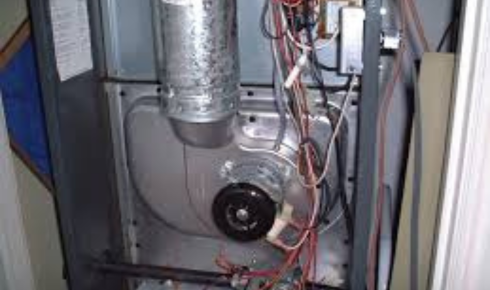
Then there’s venting, a word that doesn’t get much attention until it really needs to. Venting is one of those behind-the-scenes elements that rarely crosses a homeowner’s mind—yet it’s essential for safety and efficiency.
A system can be powerful and modern, but if exhaust isn’t managed properly, performance suffers. Worse, risks increase. Improper airflow can lead to inefficiency, strange odors, or long-term issues that don’t show up right away.
This is where shortcuts tend to backfire. Venting isn’t about appearance or convenience. It’s about allowing a system to breathe the way it’s designed to. When it’s done correctly, you never think about it again. When it’s not, it becomes a recurring headache.
Why Installation Is More Than a Checklist
It’s tempting to think of heater installation as a box-ticking exercise. Measure space. Connect lines. Flip the switch. But experienced homeowners will tell you it’s never that simple.
Installation is where theory meets reality. Where manufacturer guidelines meet the quirks of an actual home. Pipes aren’t always where diagrams say they’ll be. Walls aren’t always forgiving. And past renovations often leave surprises behind.
A good installation accounts for all of that. It adapts instead of forcing. It anticipates instead of reacting. And when it’s done well, the system feels like it belongs there, not like it was squeezed in.
The Emotional Side of Practical Choices
It may sound strange, but decisions around home systems carry emotional weight. There’s anxiety in choosing wrong. Frustration in not knowing enough. Relief when the work is finished and everything just… works.
Many homeowners describe a sense of calm after a successful installation. Not excitement, exactly. More like the absence of worry. You stop listening for odd noises. You stop wondering if today’s the day something fails.
That peace of mind is hard to measure, but it’s real. And it’s often the biggest return on the investment.
Why “Good Enough” Rarely Feels Good for Long
There’s a strong pull toward settling, especially when budgets are tight or timelines are stressful. But systems that are merely “good enough” have a way of reminding you they could be better.
Maybe they’re louder than expected. Maybe they cost more to run. Maybe they struggle during peak usage. None of these issues are emergencies, but they chip away at comfort.
Homeowners who take the time to understand their options—even briefly—tend to feel more satisfied long-term. Not because they spent more, but because they chose more intentionally.
Learning From the House Itself
Every home has a personality. Some are old and sturdy, with quirks you learn to respect. Others are newer but tightly packed with modern systems competing for space. Paying attention to what a house is telling you can save time, money, and frustration.
Is there room for future access? Will maintenance be simple or awkward? Does the layout support efficient airflow and heat distribution? These questions don’t require technical expertise—just awareness.
The best solutions often come from listening, not rushing.
When Professional Advice Makes Sense
There’s a point in most home projects where outside perspective becomes valuable. Not because homeowners aren’t capable, but because experience reveals patterns that aren’t obvious at first glance.
Professionals have seen what fails repeatedly and what lasts quietly for years. They understand which details matter and which ones are flexible. That knowledge can prevent costly mistakes, even if the final decision remains firmly in the homeowner’s hands.
It’s less about handing over control and more about gaining clarity.
A Thoughtful Ending to a Quiet Topic
Heating systems, like many parts of a home, are easy to ignore when they work. That’s their job. But when it’s time to make decisions about them, slowing down and thinking things through pays off.
Comfort isn’t created by one big choice. It’s shaped by a series of small, thoughtful ones—what powers the system, how it breathes, how it’s brought into the home in the first place.
When those choices align, the result isn’t flashy. It’s steady mornings. Reliable warmth. Fewer surprises. And a home that feels like it’s quietly working with you, not against you.
In the end, that’s what most people want. Not perfection. Just a system that shows up every day and does its job, so you don’t have to think about it at all.