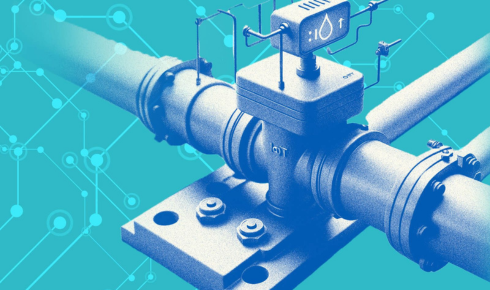
Most of the things that truly keep a home or business running don’t announce themselves. Pipes don’t make speeches. Valves don’t send reminders. Water flows, electricity hums, and life moves on—until it doesn’t. When something breaks, the disruption feels sudden, but in reality, problems usually build slowly, long before anyone notices.
We live in a time when technology can tell us more about our systems than ever before. Yet many people still rely on the oldest strategy of all: wait until something goes wrong, then react. It’s familiar, but it’s also expensive, stressful, and often avoidable. There’s a quieter, smarter way to manage infrastructure, and it starts with paying attention before trouble shows up at the door.
When Small Problems Turn Into Big Interruptions
Water damage is rarely dramatic at first. It might begin as a tiny pressure drop, a faint sound in the wall, or a meter that spins a little faster than usual. These signs are easy to ignore, especially when everything still seems to work.
But water has patience. It seeps, spreads, and slowly weakens structures. By the time a leak becomes visible, it’s often already caused damage behind the scenes. Flooring warps. Walls soften. Mold finds a comfortable home. Repairs take longer, cost more, and disrupt daily routines in ways nobody planned for.
The frustrating part? Many of these situations are preventable.
Awareness Changes the Relationship With Infrastructure
We tend to think of plumbing and utilities as passive systems—things that exist, not things that communicate. But modern tools are changing that perspective. Systems can now report unusual behavior, flag inconsistencies, and offer insights that were once impossible without tearing walls open.
This is where smart monitoring quietly earns its place. Instead of relying on guesswork, sensors and data patterns reveal what’s happening in real time. Water usage spikes unexpectedly? You know. Pressure changes at odd hours? You’re alerted. Nothing dramatic, just information arriving early enough to matter.
It’s not about micromanaging every drop. It’s about awareness. And awareness shifts decisions from reactive to thoughtful.
Leaks Don’t Need an Audience to Cause Damage
One of the most misunderstood things about water leaks is that they don’t always look like leaks. There’s no dripping faucet or pooling water. Sometimes it’s just moisture inside a wall or a slow seep under a slab, quietly doing its work.
Traditional approaches depend on visual clues or obvious failures. Modern leak detection takes a different route. It listens for anomalies—flow where there shouldn’t be any, pressure where it doesn’t make sense. These systems notice patterns humans simply can’t track on their own.
The result isn’t panic; it’s clarity. You can investigate early, fix a small issue, and move on without turning your space upside down.
Downtime Is About More Than Repairs
When systems fail, the repair cost is only part of the story. The bigger impact often comes from downtime—the hours or days when normal operations stop. Businesses close temporarily. Families relocate rooms. Productivity drops. Stress rises.
Even short interruptions have ripple effects. Appointments get canceled. Customers lose confidence. Daily routines feel suddenly fragile. These costs are harder to quantify, but they’re very real.
Proactive systems are designed to reduce downtime by catching issues before they reach that breaking point. Fixing a problem on your schedule is always easier than reacting to an emergency on water’s schedule.
Why “We’ll Fix It Later” Rarely Works
Putting off infrastructure decisions feels practical in the moment. If nothing is obviously broken, why invest time or money now? The answer lies in probability. The longer issues go unnoticed, the more likely they are to escalate at inconvenient times.
Water systems don’t fail politely. They fail on weekends, holidays, and during peak usage. They fail when access is limited and costs are higher. Waiting rarely saves money—it just delays the bill.
Early intervention, by contrast, feels almost boring. And boring, in this case, is a gift.
Human Comfort Is Part of the Equation
Beyond finances and logistics, there’s a human element to all of this. Living or working in a space where systems feel unreliable creates background stress. People worry about the next surprise, even if they don’t say it out loud.
When systems are monitored and maintained quietly, that anxiety fades. You stop thinking about pipes, walls, and floors. You trust your space again. That sense of stability matters more than we often admit.
Comfort isn’t just about temperature or lighting—it’s about confidence.
Technology Should Support, Not Complicate
There’s a fair concern that more technology means more complexity. Nobody wants to manage a dozen apps just to feel safe in their own building. The best solutions don’t demand attention; they offer it only when needed.
Well-designed systems operate in the background. They don’t overwhelm with data. They flag meaningful changes and stay silent when everything is fine. That balance is what makes technology feel helpful instead of intrusive.
If a system requires constant babysitting, it’s missed the point.
Long-Term Thinking Pays Quiet Dividends
Infrastructure decisions rarely deliver instant gratification. You won’t show off a monitoring system the way you might a renovated kitchen or a new storefront. But over time, the benefits stack up.
Fewer emergencies. Lower repair costs. Less disruption. More predictable maintenance. These outcomes don’t make headlines, but they make life smoother. And smooth operations are often the difference between constant stress and steady progress.
It’s the kind of investment you appreciate most when you realize how little you think about it.
Paying Attention Is an Act of Care
At the heart of all this is a simple idea: paying attention early is a form of care. Care for your space. Care for the people who use it. Care for your own time and peace of mind.
Water systems will never stop doing their quiet work. The question is whether we choose to listen before they’re forced to shout.
When we do, we trade surprise for insight, chaos for control, and reaction for intention. And in a world full of noise, that quiet confidence is worth holding onto.