Blog

  • Honda Stream – семейный минивэн с честной ценой «под ключ»

    Honda Stream – семейный минивэн с честной ценой «под ключ»

    В эпоху тотального увлечения кроссоверами забывать про компактные семейные минивэны было бы ошибкой. Honda Stream — как раз тот случай, когда низкий центр тяжести, удобная трансформация салона и экономичный мотор дают практичность без «джиперских» наценок. Японские торги удерживают стабильное предложение по этой модели, а статистика продаж позволяет планировать бюджет без гадания на объявлениях. Для покупателей, нацеленных на «семью и багаж», Stream остаётся тихим, но рациональным выбором.

    На первом плане — доступ к аукционам и грамотная аналитика аукционных листов: у этой модели немало возрастных экземпляров, а значит, ценность определяет не «глянец», а документированная история. Именно поэтому запрос «как привезти ХОНДУ STREAM из Японии» звучит всё чаще: речь идёт о понятной технике и предсказуемой эксплуатации, где цифры важнее эмоций.

    Отдельная задача — уложиться в коридор под заказ за 1 млн рублей. С учётом возраста и литража это реально, но только при трезвой смете и без охоты за «топ-комплектациями». В выигрыше оказываются честные лоты с прозрачной картой кузова, обычным цветом и адекватным пробегом, а не «витринные редкости».

    Что за машина и какие версии встречаются

    Stream — компактный 6–7-местный минивэн на базе гражданских моделей Honda. На торгах чаще всего встречаются атмосферные четыре цилиндра объёмом 1.8–2.0 с классическим «автоматом» или вариатором, реже — более бодрые исполнения. По ездовому характеру это «семейный универсал»: нейтральные реакции, адекватная шумоизоляция для класса, предсказуемая подвеска. Высокая крыша дарит простор на втором ряду, третий ряд — для детей или коротких поездок взрослых.

    Возраст у большинства лотов уже солидный, значит, особенно важны следы кузовных работ и механическая «честность». Ухоженный экземпляр едет тихо, не «бубнит» на стыках и не требует экстренных вложений после прихода — если правильно прочитан лист и заранее заложены плановые работы.

    Смета «под ключ»: как не выйти за лимит

    Финальная цена формируется из пяти блоков: выкуп в йенах, сборы и логистика по территории Японии, фрахт и страховка, российские затраты (такие, как пошлины, плата за утиль, сертификация), доставка по России. Для Stream главные переменные показатели — литраж и год выпуска (влияют на пошлину), а также курс йены. Опыт показывает: экономию даёт отказ от «дорогих» пакетов и редких цветов, плюс ставка, привязанная к финальному бюджету, а не к «красивому» числу молотка.

    Компании, специализирующиеся на импорте с японских аукционов (Tokito Auto), обычно считают смету заранее, показывают вилку по «под ключ» и предлагают несколько альтернативных лотов: в одном меньше косметики, в другом новее резина и «свежее» тормоза — это реальные деньги сразу после прихода.

    Что искать (и чего опасаться) в аукционном листе

    У Stream типичные замечания инспектора касаются «бытовой» эксплуатации и возрастных моментов. Карта кузова и ремарки — важнее фотографии с удачным светом:

    • Кузов и «морда». Индексы A/U/W/XX и их расположение. Несходные зазоры по капоту/фарам, следы снятия телевизора, замена лонжеронных панелей — повод пересчитать ставку или отказаться.
    • Низ и арки. Коррозия по задним аркам и нижним кромкам дверей — частый гость; важно отличать «цветочек» от очагов на силовых.
    • Подвеска. «Потеют стойки», «шумные втулки стабилизатора», люфты — это плановые вложения, но их нужно видеть в бюджете.
    • Салон и трансформация. Износ механизмов третьего ряда, работоспособность фиксаторов, состояние направляющих сидений; руль/кнопки/водительское кресло должны соответствовать пробегу.
    • Тормоза и шины. Часто недооценённая строка: «тонкие диски/колодки», «шины на исходе» — это деньги «здесь и сейчас» после выдачи.

    Как удержать проект в коридоре «до миллиона»

    Минивэн тянет кошелёк опциями не меньше кроссовера. Аккуратная стратегия — базовая комплектация в хорошем состоянии, «земной» цвет, честная оценка 3.5–4 и пробег, рифмующийся с салоном. «Редкости» — панорама, спецколёса, аудио — съедают бюджет на торгах и при этом не делают Stream практичнее. Ставка привязывается к финальному «под ключ», а не к цене выкупа — иначе разницу придётся «добирать» уже на документах и доставке.

    Ездовые привычки и сервисные акценты

    Атмосферные моторы Honda выносливы при регламентном обслуживании. Вариатор требует бережной езды и своевременной замены жидкости, гидромеханический «автомат» — контроля утечек и температуры. По подвеске у возрастных машин ожидаемы стойки/втулки/сайлентблоки; это небольшие, но понятные траты, если заранее их заложить. Тормозные диски и резина — частая «мелочь», которую забывают включить в смету.

    Кому Stream действительно подходит

    Тем, кому нужен «умный» семейный транспорт без переплаты за мнимый внедорожный имидж. Город, пригороды, дача, школа, кружки — его стихия. Третий ряд — как «доп. опция» на случай гостей или коротких вылазок; с убранным третьим рядом багажник превращается в кубометр пользы. На трассе Stream не претендует на роль «крейсера», но ведёт себя честно и предсказуемо.

    Один рабочий список — чтобы купить удачный Stream

    • Лимит от «под ключ». Ставка следует за финальной сметой, а не за эмоциями.
    • Карта кузова против глянца. Индексы и ремарки важнее фото; силовые зоны — под особым контролем.
    • Комплектация без фетиша. Редкие опции разогревают торги, но не повышают практичность.
    • Салон = пробег. Руль/кнопки/петли и направляющие трансформации должны соответствовать одометру.
    • Плановые расходы в смете. Стойки, втулки, тормоза, резина — «мелочёвка», которая быстро складывается в заметную сумму.

    Логистика и сроки

    Маршрут стандартен: выигрыш → стоянка порта в Японии → судно → порт РФ → таможня/сертификация → доставка по России. Задержки чаще «земные»: инвойс, окно на судно, очередь на СБКТС. Предсказуемость обеспечивают заранее согласованный график и подтверждённые платежи. Компания Tokito Auto обычно фиксирует каждый этап отчётами и предлагают альтернативные маршруты, если линия меняет расписание.

    Honda Stream — это про здравый смысл: много салона при умеренном бюджете, простые агрегаты и предсказуемые расходы. С японскими аукционами у покупателя появляется главное — документированная история и контроль над арифметикой сделки. При дисциплине в ставке и внимательном чтении листа минивэн остаётся редкой возможностью получить настоящую семейную машину за 1 млн рублей — без сюрпризов и переплат.

  • Step-by-Step Guide for Book HSRP Number Plate Online – Easy HSRP Number Plate Booking Process

    Step-by-Step Guide for Book HSRP Number Plate Online – Easy HSRP Number Plate Booking Process

    In India, road safety and vehicle identification have taken a significant leap forward with the introduction of High-Security Registration Plates (HSRP). Every vehicle owner, whether it’s a car, bike, or commercial vehicle, must now have an HSRP installed to comply with government regulations. The process to book hsrp number plate online is simple, fast, and convenient. This article provides a detailed guide to help you understand what HSRP is, why it’s mandatory, and how you can complete your HSRP number plate booking in just a few minutes.

    What is an HSRP and Why is it Important?

    A High-Security Registration Plate is a new-generation number plate made of aluminum, featuring a laser-etched unique identification number and a hot-stamped chromium hologram. It is linked to your vehicle’s engine and chassis number, ensuring authenticity and preventing tampering or duplication.

    The government of India, through the Ministry of Road Transport and Highways (MoRTH), has made HSRP mandatory for all vehicles—both old and new. This measure aims to standardize number plates across the country, prevent theft, and enhance vehicle traceability.

    Key Features of HSRP

    • Tamper-Proof Design: Once fitted, the plate cannot be removed or replaced without damage.
    • Laser-Etched Serial Number: Every plate has a unique code for easy identification.
    • Hologram for Security: Prevents duplication and fraud.
    • Snap Lock System: Ensures secure attachment to the vehicle.
    • Durability: Made from corrosion-resistant aluminum for long life.

    Benefits of HSRP for Vehicle Owners

    1. Enhanced Security: Reduces the chances of theft or misuse by ensuring every vehicle is uniquely identified.
    2. Legal Compliance: Avoids penalties and ensures your vehicle meets national transport regulations.
    3. Easy Verification: Authorities can easily track or verify your vehicle information.
    4. Standardization: Provides a uniform number plate design across all states.
    5. Increased Transparency: HSRP booking and installation are managed through official government-approved portals.

    How to Book HSRP Number Plate Online

    The online HSRP registration process is quick and user-friendly. Here’s a step-by-step guide to completing your hsrp number plate booking online:

    1. Visit the Official Website:
      Go to www.bookmyhsrp.com, the government-authorized portal for HSRP services across India.
    2. Select Your State:
      From the drop-down list, select the state or union territory where your vehicle is registered. Each region has different dealers and installation centers.
    3. Enter Vehicle Information:
      You will need to provide your vehicle registration number, chassis number, and engine number as mentioned in your RC (Registration Certificate). Double-check all entries for accuracy.
    4. Choose Vehicle Type:
      Select the correct category—two-wheeler, four-wheeler, or commercial vehicle.
    5. Pick a Dealer and Fitment Location:
      The website will display authorized dealers near your area. Choose a convenient center and book your appointment date and time.
    6. Make Payment:
      Pay securely online through UPI, debit/credit card, or net banking. The cost of HSRP varies slightly based on your vehicle type and state.
    7. Get Confirmation:
      Once payment is successful, you’ll receive a confirmation message and a downloadable receipt. Save this receipt for installation day.

    What to Carry During Installation

    On the day of your appointment, make sure to carry the following:

    • A copy of your booking receipt.
    • Your vehicle’s Registration Certificate (RC).
    • A valid ID proof such as Aadhar Card or Driving License.

    Authorized personnel at the center will install the HSRP using specialized equipment and secure it with snap locks. The process usually takes less than 15 minutes.

    Why You Should Book Your HSRP Today

    Delaying your HSRP installation can lead to fines or legal penalties, as it’s a mandatory requirement under Indian law. Moreover, having an HSRP enhances your vehicle’s security and resale value. Traffic authorities across states like Delhi, Uttar Pradesh, Maharashtra, and Karnataka are actively checking for vehicles without HSRP plates.

    Final Words

    Getting your HSRP plate is not just a legal obligation—it’s a smart step toward safer roads and better vehicle security. With digital platforms simplifying the process, booking and installing your HSRP has never been easier. Visit bookmyhsrp.com today, follow the simple steps, and ensure your vehicle is compliant with government regulations.

    Drive confidently and securely with your High-Security Registration Plate installed—the future of vehicle identification in India.

  • Placement Consultancy in Noida, IT Consultancy in Gurgaon

    Placement Consultancy in Noida, IT Consultancy in Gurgaon

    The demand for skilled professionals in India’s corporate and technology sectors has grown exponentially over the past decade. Business hubs like Noida and Gurgaon are at the center of this growth, attracting startups, multinational corporations, and IT giants. In this competitive environment, the role of consultancies becomes vital. A Placement Consultancy in Noida helps companies hire the right talent, while IT consultancies in Gurgaon provide specialized technology solutions and expertise.

    Role of Placement Consultancy in Noida

    Noida has become a popular hub for IT firms, educational institutions, and corporate offices. With this expansion, the demand for skilled manpower across multiple domains is increasing. Placement consultancies in Noida specialize in connecting job seekers with employers by understanding the requirements of both sides.

    For employers, these consultancies handle everything from sourcing resumes, conducting interviews, and shortlisting candidates to offering onboarding support. For job seekers, placement consultancies provide guidance on resume writing, skill development, and interview preparation, making them job-ready.

    By collaborating with placement agencies, companies save time and reduce hiring costs, while candidates find career opportunities that align with their skills and aspirations.

    Importance of IT Consultancy in Gurgaon

    Gurgaon, also known as Gurugram, has established itself as one of India’s leading technology and corporate centers. From global IT service providers to financial institutions and e-commerce giants, the city hosts a wide range of businesses that rely on advanced technology solutions.

    An IT Consultancy in Gurgaon plays a crucial role in helping these businesses optimize their operations. These consultancies provide expertise in areas such as software development, digital transformation, cybersecurity, cloud services, and artificial intelligence. By leveraging the skills of IT consultants, organizations can streamline processes, adopt new technologies, and stay ahead of the competition.

    Benefits for Employers and Job Seekers

    Placement and IT consultancies offer advantages to both employers and job seekers.

    For Employers:

    • Efficient Hiring: Placement consultancies speed up recruitment by screening and shortlisting the most suitable candidates.
    • Access to Talent: They maintain large databases of professionals with diverse skills and experiences.
    • Expert Solutions: IT consultancies provide tailored technological strategies that boost productivity and efficiency.
    • Cost-Effectiveness: Outsourcing hiring or technology solutions reduces overhead costs.

    For Job Seekers:

    • Career Guidance: Placement consultancies offer counseling, interview tips, and resume-building support.
    • Skill Development: Many agencies organize training sessions to enhance employability.
    • Access to Opportunities: Candidates gain access to jobs in reputed organizations, often not publicly advertised.
    • Long-Term Growth: IT consultancies also help professionals upgrade skills to stay relevant in a rapidly evolving industry.

    Noida and Gurgaon as Employment Hubs

    Both Noida and Gurgaon have become preferred destinations for businesses and professionals alike. Noida is recognized for its strong base in IT, manufacturing, and education, whereas Gurgaon is known for corporate services, IT consulting, and finance.

    The proximity of both cities to Delhi makes them attractive to multinational corporations seeking modern infrastructure, skilled manpower, and business-friendly policies. With increasing investments and rapid digitalization, the demand for consultancies in both cities is expected to rise even further.

    Conclusion

    In today’s fast-paced business environment, finding the right talent and adopting advanced technology solutions are essential for success. A placement consultancy in Noida ensures companies secure qualified professionals, while also guiding job seekers to rewarding careers. At the same time, an IT consultancy in Gurgaon empowers businesses with the technical expertise required to remain competitive. Together, these consultancies act as crucial enablers of growth, efficiency, and long-term success for both employers and employees.

  • Interior Designer In Manish Nagar, Interior Design In Nagpur

    Interior Designer In Manish Nagar, Interior Design In Nagpur

    When it comes to transforming your home or office into a space that reflects your style and personality, choosing the right Interior Designer In Manish Nagar is essential. Manish Nagar, located in the heart of Nagpur, has seen rapid growth in residential as well as commercial spaces. With this rise in modern infrastructure, the demand for innovative and functional interior design has also increased. Homeowners and businesses are constantly looking for professionals who can create elegant, practical, and customized spaces that match their vision.

    Why Hire an Interior Designer in Manish Nagar?

    An interior designer plays a crucial role in making any space look aesthetically pleasing while ensuring maximum utility. Hiring a professional saves time, prevents costly mistakes, and gives your home a unique character. A well-executed design blends furniture, colors, lighting, and decor elements seamlessly. In Manish Nagar, interior designers are skilled in working with both compact apartments and larger villas, ensuring every corner is optimized for style and comfort.

    One of the biggest advantages of choosing a local designer is their familiarity with the latest trends and local resources. They know where to source high-quality materials at affordable prices and collaborate with reliable contractors and suppliers in Nagpur. This ensures that the design process runs smoothly from start to finish.

    Key Features of Good Interior Design

    When you think of interior design, it is not only about decorating walls or buying new furniture. True design focuses on the functionality of the space along with its aesthetics. Some important aspects include:

    • Space Planning: Efficient use of available area to create a balanced layout.
    • Lighting Design: Proper use of natural and artificial light to enhance the atmosphere.
    • Color Scheme: Choosing shades that complement furniture and decor.
    • Material Selection: Use of durable yet stylish materials for flooring, walls, and furniture.
    • Personalization: Adding elements that reflect the personality and lifestyle of the homeowner.

    Interior Design in Nagpur: Growing Demand

    The real estate boom in Nagpur has fueled the demand for modern interiors in both residential and commercial spaces. People are no longer satisfied with plain walls and standard furniture; they want their homes and offices to tell a story. This is where professional Interior Design In Nagpur services step in. Designers bring creativity, innovation, and technical expertise to create spaces that are not just beautiful but also functional.

    From modular kitchens and false ceilings to luxury bedrooms and ergonomic office spaces, interior designers in Nagpur cater to a wide range of needs. They understand the local climate, cultural preferences, and lifestyle patterns, which helps them deliver designs that are practical and sustainable.

    Modern Trends in Interior Design

    Some of the latest trends that are becoming popular in Manish Nagar and Nagpur include:

    • Minimalism: Simple designs with clean lines and clutter-free spaces.
    • Smart Homes: Integration of smart lighting, climate control, and automated systems.
    • Eco-Friendly Design: Use of sustainable materials and energy-efficient solutions.
    • Open Layouts: Combining living, dining, and kitchen spaces for a spacious feel.
    • Accent Walls: Bold colors or textured finishes that stand out.

    These trends not only add charm to the space but also increase its long-term value.

    Choosing the Right Designer

    Before finalizing an interior designer, it’s important to check their portfolio, client reviews, and style of work. Discuss your budget and requirements clearly, and ensure they can align their vision with yours. A professional designer will provide 3D visualizations, layouts, and mood boards before starting the work so you can see how the final design will look.

    Conclusion

    If you are planning to renovate or design your home or office, hiring an experienced interior designer in Manish Nagar is a wise investment. With the rising demand for professional interior design in Nagpur, you can easily find talented designers who will bring creativity, comfort, and style into your space. From modern apartments to luxurious villas and functional offices, expert designers can help you create interiors that not only look stunning but also make everyday living more enjoyable.

  • The Realities of Selling a Business: From Valuation to Acquisition

    The Realities of Selling a Business: From Valuation to Acquisition

    There’s something uniquely emotional about selling a business. It’s not just about numbers on a spreadsheet or legal contracts in a binder—it’s about years, sometimes decades, of sweat, ideas, risks, and late nights. People often underestimate the weight of the decision. Whether you’re running a small family-owned shop or a mid-sized firm with hundreds of employees, selling isn’t a simple “sign and walk away” process. It’s layered, it’s personal, and yes, it can be overwhelming if you don’t have the right roadmap.


    Understanding the Mid-Market Landscape

    If there’s one segment that often gets overlooked in the broader conversation, it’s the mid-market. Too big to be small, too small to be large—companies in this space sometimes feel like they live in a strange in-between world. Yet they are the backbone of many economies, employing thousands and driving steady growth.

    For owners in this category, the process of selling mid-market business services requires a careful blend of financial analysis, market positioning, and strategic storytelling. Buyers aren’t just looking at revenue streams; they want to know the long-term potential, the culture, the customer base, and how smoothly leadership can transition. It’s not uncommon for these deals to hinge as much on trust and relationships as on numbers.


    The Small Business Side of the Story

    Small business owners often struggle the most when it comes to valuation. After all, how do you put a price tag on something that’s been a part of your identity? There are formulas—earnings multiples, discounted cash flow models—but they don’t always capture the essence of what’s being sold.

    That’s why professionals who specialize in sell small business valuation services can be so important. They bring objectivity to a process that is otherwise deeply personal. By looking at industry benchmarks, comparable sales, and future earning potential, they help owners see a fair market price that both respects their hard work and attracts the right buyers. Without that external perspective, it’s easy for an owner to either undervalue their business out of fear or overvalue it out of sentiment.


    When It’s Time to Think Big

    On the other end of the spectrum are large businesses considering a sale. These transactions often make headlines, and for good reason—the stakes are enormous. Employees, shareholders, suppliers, and even communities can be affected by a single deal.

    Selling a larger company often involves multiple layers of negotiation, regulatory review, and sometimes international interest. The process to sell large business for acquisition is as much about structuring the deal correctly as it is about finding the right buyer. It’s not just who has the money, but who has the vision to take the business forward. Private equity firms, global corporations, and industry competitors all come into play, each with different motivations and expectations.


    The Human Side of Selling

    Beyond balance sheets and contracts, selling a business is an emotional journey. Owners often describe the process as bittersweet. On one hand, there’s pride in building something valuable enough to attract buyers. On the other, there’s a deep sense of loss in letting go of something that defined their life for years.

    Employees feel it too. Rumors of a sale can spark anxiety, questions about job security, and uncertainty about company culture. The most successful transactions are those where owners and advisors are transparent, keeping communication open while balancing confidentiality. People want to know not just if they’ll have a job tomorrow, but also if the heart of the company will remain intact.


    Common Challenges in the Process

    No matter the size of the business, the challenges tend to repeat themselves.

    • Valuation disagreements: Sellers often think their business is worth more than buyers are willing to pay.
    • Cultural fit: Even if the numbers work, cultural clashes can sink a deal post-acquisition.
    • Regulatory hurdles: Larger deals may attract scrutiny from governments or industry regulators.
    • Financing complexities: Not every buyer comes with cash in hand; structuring financing and payment terms can take months.

    These challenges don’t make selling impossible—they just highlight why careful planning and professional guidance are crucial.


    Why Timing Is Everything

    One of the most overlooked aspects of selling a business is timing. The same business could fetch wildly different valuations depending on when it goes to market. A strong economy, favorable industry trends, or even competitor activity can all influence the outcome.

    Selling too early might mean missing out on growth potential, while waiting too long could result in declining revenues or market relevance. The art lies in spotting the sweet spot—when the business is stable, the industry outlook is positive, and buyers are hungry.


    The Role of Advisors

    Advisors play a critical role in smoothing the process. From preparing financial documents to identifying potential buyers and managing negotiations, their expertise often saves sellers from costly mistakes. They also act as emotional buffers, helping owners separate personal feelings from business decisions.

    In mid-sized and large transactions especially, advisors can open doors to buyers the owner might never have access to alone. They understand market dynamics, know how to position businesses, and bring credibility to the table during negotiations.


    Stories That Illustrate the Journey

    A family-owned restaurant chain in the Midwest recently sold to a regional competitor. Without guidance, the owners might have undersold. With proper valuation, they realized their customer loyalty and brand recognition deserved a premium.

    Meanwhile, a tech startup in California waited too long to sell. By the time they entered the market, competitors had caught up, and valuations had cooled. Timing, once again, proved decisive.

    And then there’s the manufacturing firm in the Northeast that attracted international buyers. The complexity of negotiating across borders required skilled advisors, but the end result was a sale that not only rewarded the founders but also safeguarded jobs for employees.


    Final Thoughts

    Selling a business isn’t just a transaction—it’s a transformation. It’s the closing of one chapter and the start of another, both for the owner and the company itself. Whether it’s a small corner shop, a mid-sized firm, or a large corporation, the principles remain the same: prepare thoroughly, seek objective guidance, and never underestimate the human element.

    At the end of the day, selling is about legacy as much as it is about profit. The businesses we build carry our stories, our risks, and our dreams. Handing them over to new owners is never easy, but with the right timing, the right support, and the right vision, it can be a step toward growth—for both seller and buyer alike.

  • Soft Water, Simple Living: Why Ocala Homeowners Are Turning to Better Water Solutions

    Soft Water, Simple Living: Why Ocala Homeowners Are Turning to Better Water Solutions

    If you’ve ever noticed your shower glass looking cloudy no matter how many times you clean it, or your laundry feeling stiff instead of soft, you’ve probably bumped into the quiet culprit—hard water. It’s one of those sneaky household annoyances that you don’t think much about until you start realizing it affects just about everything: your pipes, your skin, your appliances, even your morning coffee. In Ocala, where water quality can vary by neighborhood, more and more homeowners are looking for practical solutions that make daily living smoother—literally. That’s where the conversation about water softeners comes in.

    What Hard Water Does to Your Home

    Let’s paint the picture. Hard water is simply water that’s loaded with minerals like calcium and magnesium. On paper, that doesn’t sound too bad—after all, minerals are natural. But when that mineral-rich water runs through your home every single day, the results aren’t exactly kind. Think soap scum building up faster than you can scrub it off, water heaters working overtime just to keep up, and that frustrating cycle of washing dishes only to find them spotty again.

    Over time, hard water doesn’t just leave marks; it slowly wears down the efficiency of your appliances and plumbing. That “extra rinse” button on your washing machine? Yeah, it’s probably working harder because of hard water. And that can mean higher bills, shorter appliance lifespans, and an overall sense that your house is always one step behind.

    Why Ocala Families Are Making the Switch

    The Ocala lifestyle has a certain charm—sunny afternoons, equestrian culture, and plenty of outdoor living. But when your water quality keeps dragging you down, it can take away from that ease. More families are investing in systems that not only solve the problem but make everyday routines simpler. That’s where a residential water softener Ocala homeowners trust comes into the picture. These systems filter out those hard minerals, giving you water that feels smoother on your skin, cleans better, and doesn’t wage war on your appliances.

    It’s not just about convenience—it’s about comfort. Imagine stepping out of a shower where your skin doesn’t feel dry, or brewing a pot of coffee without that weird mineral aftertaste. The small changes add up quickly.

    The Big Picture: Whole House Systems

    Here’s something worth thinking about: spot fixes rarely fix the whole story. Sure, you can put filters on specific faucets or grab a little showerhead filter, but those are like putting a band-aid on a leak in your roof. What many Ocala families are turning to instead is a whole house water softener installation Ocala professionals can set up to cover every tap, every shower, and every appliance in one go.

    It’s a bigger commitment upfront, but it’s the kind of improvement you actually feel across your home. No more patchwork solutions—just consistent, softened water flowing everywhere. And because the installation is tailored to your plumbing system, it becomes a behind-the-scenes upgrade that quietly works for you every day.

    Daily Benefits That Sneak Up on You

    One of the best parts of switching to soft water isn’t just the flashy promises—it’s the everyday stuff you don’t even realize until it’s happening. Towels feel softer and fluffier. Soap actually lathers the way it’s supposed to. Your hair doesn’t feel like straw after a shower. Even your clothes come out of the wash looking brighter.

    Over time, you’ll also notice that your dishwasher, washing machine, and water heater just don’t need as many repairs. That alone can offset the cost of the system, making it not just a lifestyle choice but a financial one, too. In other words, soft water gives back.

    Choosing the Right Service in Ocala

    Of course, none of this magic happens on its own. A good system is only as good as the people who install and maintain it. That’s why finding a reliable Ocala water softener service provider is such a game-changer. Local specialists understand the unique water conditions in the region, which means they’re not just installing a generic product—they’re tailoring a solution that makes sense for Ocala homes specifically.

    Routine maintenance, quick repairs, and honest advice go a long way here. It’s the difference between having a system that quietly works for a decade and one that gives you headaches within a year. Local expertise matters, and so does customer service that feels like, well, service.

    Things Homeowners Should Ask Before Installing

    If you’re considering a water softener, it’s worth going in with a few smart questions. Start with capacity—how much water does your household actually use, and is the system sized for that? Ask about salt vs. salt-free options, and whether the provider offers environmentally friendly alternatives. Make sure you know the maintenance schedule and what kind of warranty you’re getting.

    And don’t be afraid to ask for real numbers. How much can you expect to save on energy bills? What’s the average lifespan of the system? A good provider won’t shy away from those conversations—they’ll welcome them.

    Busting a Few Myths

    Before wrapping this up, let’s clear the air on a couple of common misconceptions. First, softened water doesn’t taste “slimy.” That’s just one of those myths that sticks around from outdated systems. Modern softeners are designed to keep the water crisp and fresh. Second, water softeners don’t make your water unsafe to drink. In fact, by reducing scale buildup, they can actually help keep your pipes cleaner.

    And for those who worry about the environment, there are plenty of systems today that use less salt and less water during regeneration, making them far more eco-conscious than people expect.

    The Real Takeaway

    At the end of the day, installing a water softener isn’t just about clean dishes or shinier faucets—it’s about making your home feel more comfortable, efficient, and welcoming. In a place like Ocala, where life is meant to be enjoyed outdoors and indoors alike, it makes sense to create a space that works with you, not against you.

    The truth is, hard water might not be the biggest problem on your list, but once you solve it, you’ll wonder why you waited so long. It’s like fixing that squeaky door—you don’t notice how much it bugged you until it’s finally quiet.

    Wrapping It All Up

    So, if you’ve been on the fence, consider this your gentle nudge. A well-installed water softener system isn’t just another home improvement project—it’s an investment in better living. From smoother showers to longer-lasting appliances, the benefits ripple through your daily routines in ways you’ll keep appreciating.

    And maybe that’s the best part of all. It’s not a flashy change. It’s not something you’ll brag about at dinner parties. But it’s the kind of upgrade that makes every part of home life just a little easier, a little softer, and a lot more enjoyable.

  • Hard Water at Home: When Daily Comfort Meets Practical Fixes

    Hard Water at Home: When Daily Comfort Meets Practical Fixes

    If you’ve ever rinsed a glass straight from the dishwasher only to find it still streaked with cloudy spots, or noticed your favorite shampoo barely lathering in the shower, chances are you’ve met hard water. It’s not dramatic—it doesn’t flood your house or make the headlines—but it quietly frustrates you in a hundred little ways. And over time, those little annoyances add up to bigger problems, from crusted faucets to tired-looking laundry.

    Hard water isn’t a rare issue. In fact, a huge portion of households across the country deal with it. The minerals—mostly calcium and magnesium—aren’t harmful to drink, but they wreak havoc on plumbing, appliances, and even your skin and hair. That’s why more people are exploring real fixes instead of just putting up with it.


    Why Living With Hard Water Feels Like an Endless Chore

    The thing about hard water is how sneaky it is. You don’t realize at first that your water heater is working overtime, or that your washing machine isn’t rinsing clothes as well as it should. You just scrub more, use extra detergent, and accept that soap scum in the shower is a fact of life.

    But once you’ve lived with softer, treated water, you understand just how much easier everything feels. That’s where hard water solutions for home come in. They’re not just about cleaner dishes—they’re about less time spent scrubbing, fewer breakdowns in your appliances, and more comfort in everyday routines. It’s like shifting from always fighting your water to finally letting it work for you.


    How Filters Change the Game

    Not every household needs the same approach. For some, a basic softener is enough to strip out excess minerals. For others, especially in areas where the water carries sediment or other additives, a more comprehensive system makes sense.

    That’s where a hard water filter system becomes so valuable. Instead of a patch fix, it gives your home a steady supply of treated water at the source. That means every tap, every shower, every appliance gets the benefit. It’s a whole-house solution that quietly reshapes the way you live.

    The difference might not feel dramatic at first—it’s not like flipping a switch and seeing fireworks. But you’ll notice fewer streaks on dishes, brighter laundry, faucets that don’t crust over in weeks, and showers that actually leave your skin feeling refreshed instead of tight.


    Finding Help Close to Home

    One of the biggest challenges is figuring out which fix is right for you. And while the internet is packed with advice, the reality is, water quality varies wildly from place to place. What works in one region might not work at all in another.

    That’s why many people search for hard water service near me. Local providers know the quirks of your area’s water supply. They’ve tested it, treated it, and seen the same issues play out in homes just like yours. It’s not about getting a cookie-cutter system; it’s about tailoring solutions that actually make sense for your house and your neighborhood.

    And honestly, there’s peace of mind in being able to call someone nearby when you need maintenance or repairs. Water systems are investments—you don’t want to be left waiting weeks for help if something goes wrong.


    The Ripple Effect on Appliances and Plumbing

    One of the most overlooked impacts of hard water is on your home’s “invisible” systems. Every time minerals pass through your pipes, they leave behind a little residue. Over years, that builds into clogs, reduced pressure, and eventually expensive repairs.

    Appliances suffer too. Dishwashers, washing machines, even coffee makers have shorter lifespans when they’re constantly battling mineral buildup. And while buying a new coffee maker every few years might not feel like a crisis, replacing a water heater or dishwasher definitely does.

    That’s the beauty of investing in treatment: you’re not just making your life easier day to day—you’re protecting the systems that keep your house running.


    Beyond the House: Personal Comfort

    There’s also the personal side. Hard water has a way of making your skin feel dry and your hair look dull, no matter how good your soap or shampoo is. It strips away natural oils and leaves behind residue you can’t quite rinse off.

    Switching to treated water often feels like a subtle luxury upgrade. Showers feel cleaner, your skin reacts better, and your hair looks more manageable. It’s not a spa treatment, but it makes those daily routines just a little more enjoyable. And honestly, those little comforts matter when you add them up over months and years.


    Why DIY Fixes Don’t Always Work

    You’ve probably seen quick-fix gadgets online: magnetic devices you strap to your pipes, tiny filters for a single faucet, or tablets you drop into an appliance. They might offer small improvements, but they rarely address the root problem.

    Hard water isn’t something you can outsmart with a trick—it requires a real system designed for the level of minerals in your supply. That’s why testing your water first is so important. A professional can tell you whether you’re dealing with moderate hardness that needs a basic softener, or severe buildup that requires a more robust filter system.


    Businesses Notice Too

    It’s not just homes that feel the weight of hard water. Businesses—cafés, gyms, hotels—are deeply affected by it too. Customers notice when glasses look streaked, showers feel harsh, or coffee tastes off. For places built around customer experience, that’s a quiet but costly problem.

    For them, treatment isn’t optional. It’s part of delivering quality. And what works for businesses isn’t so different from what works at home—it’s about making water invisible again, so everything else runs smoothly.


    The Long-Term Payoff

    People sometimes hesitate because treatment systems cost money up front. But the long-term savings are real. Lower energy bills (because heaters don’t have to fight scale buildup), fewer appliance replacements, reduced plumbing repairs—it all adds up.

    And then there’s the value you can’t put a price on: the comfort of water that feels right, tastes clean, and doesn’t fight against your daily routines.


    Wrapping It Up: Water That Works With You

    Hard water doesn’t feel like a crisis. It’s more like a constant background annoyance you learn to live with—until you finally decide not to. And once you do, life gets easier in ways you didn’t expect.

    From spotless dishes to longer-lasting appliances, from softer laundry to showers that actually feel refreshing, the change is real. It’s not dramatic. It’s not flashy. But it’s steady, reliable, and worth every drop.

    So maybe the next time you’re scrubbing at soap scum or wondering why your kettle looks ancient after six months, you’ll pause and think: maybe it’s time to stop fighting my water and start fixing it.

  • The Human Side of Robotic Surgery: Trusting Technology Without Losing Touch

    The Human Side of Robotic Surgery: Trusting Technology Without Losing Touch

    The word “robot” still makes a lot of people picture science fiction — metal arms, blinking lights, and futuristic labs. But in medicine, robots don’t look like that at all. They’re precise, quiet, and often invisible to patients. What’s really striking, though, is not the technology itself, but what it gives us: smaller scars, faster recovery, and the chance to walk away from surgery with less pain than we ever imagined possible a generation ago.

    And yet, for all the amazing engineering, robotic surgery still comes down to something deeply human. It’s a surgeon, guided by years of experience, using advanced tools to help someone heal. It’s not cold. It’s not impersonal. It’s technology working at the service of people, not the other way around.


    That First Search for Options

    When the idea of surgery first lands in your lap, the instinct is to search for the closest option. You type something like robotic surgery near me into your phone, hoping for reassurance. You’re not just hunting for directions, though. You’re searching for trust — a surgeon, a program, a place where you feel safe enough to hand over something as precious as your health.

    What you discover pretty quickly is that not every center is the same. Some have invested heavily in robotic platforms. Others still focus on traditional methods. Neither is inherently wrong, but the difference in recovery times, pain management, and precision can be striking.


    Why Centers of Excellence Stand Out

    The leap in technology isn’t just about the machines. It’s about the programs that invest in training, consistency, and outcomes. Programs like NTX robotic surgery don’t simply advertise the latest tools; they integrate them into a system of care that feels thorough and thoughtful from the first consultation to the last follow-up.

    What patients notice most isn’t the machine in the operating room. It’s the way the care team communicates, the calm that comes from knowing every part of the process is handled with precision. Technology may assist, but the trust is built on people — surgeons, nurses, techs — who guide patients through something overwhelming.


    The Rise of Minimally Invasive Approaches

    One of the biggest benefits of these systems is that they allow surgeons to work with smaller incisions, greater accuracy, and less disruption to the body. For patients, this translates to less scarring, shorter hospital stays, and quicker returns to normal routines.

    It’s why so many people now ask about minimally invasive robotic surgery specifically. They want the advantages of modern techniques without the long, grueling recoveries that older surgical approaches often demanded. And while no surgery is ever risk-free or painless, the ability to reduce trauma to the body has changed the equation for countless patients.


    The Human Element in a Robotic World

    Here’s the thing that sometimes gets lost: robotic systems don’t replace surgeons. They enhance them. The expertise, the judgment calls, the steady hands — those are still very much human. Robots don’t decide where to cut or how to adapt mid-surgery; people do.

    I once heard a surgeon describe it this way: “The robot is an instrument, like a violin. The quality of the music still depends on the musician.” That image stuck with me. Because it explains why patients should care less about the brand of robot being used and more about the skill of the surgeon controlling it.


    The Emotional Side of Recovery

    Technology may help shorten hospital stays, but recovery is still a process. The first steps after surgery can feel shaky, even discouraging. Patients often expect to bounce back instantly, and when fatigue or discomfort lingers, it can feel like a setback.

    But the difference robotic techniques make is often clear in the weeks that follow. Less pain medication, smaller scars, and quicker returns to everyday life add up. Patients describe the moment they realize they can walk around the block again, or bend without pain, as milestones that remind them the ordeal was worth it.


    Practical Realities: Cost and Coverage

    Of course, robotic systems don’t come cheap. Hospitals invest millions into these platforms, and that sometimes raises questions about cost. Insurance typically covers robotic procedures if they’re medically necessary, but patients still worry about billing surprises.

    The reassuring part is that most programs are transparent about coverage and work closely with insurers to classify robotic approaches under standard procedure codes. Still, it’s worth asking during consultation — not just about the medical risks, but the financial ones too.


    Why Patients Are Choosing This Path

    So why do more people choose robotic surgery when given the option? It often comes down to lifestyle. A shorter hospital stay means less time away from work, family, and daily responsibilities. Smaller incisions mean fewer visible reminders of the procedure. And the idea of precision — of technology assisting steady hands — simply feels reassuring in a world where most of us value accuracy.

    Patients don’t usually gush about the tech itself. They talk about what it gave them: the ability to recover faster, the chance to return to normal sooner, the relief of less pain. Those are human outcomes, not technological ones.


    The Future Is Already Here

    Robotic platforms will only grow more sophisticated, but the core story won’t change. Surgery is still about trust, still about human hands and minds working to heal. The tools will get sharper, the imaging clearer, the recovery times even shorter — but the courage of patients and the skill of surgeons will always be the foundation.


    A Thoughtful Ending

    If you’re standing at the edge of this decision, staring at brochures or scrolling through search results, take a breath. Know that robotic surgery isn’t some cold, futuristic experiment. It’s an evolution of care, designed to make your experience safer and your recovery smoother.

    The real question isn’t whether the machine is trustworthy. It’s whether you trust the team behind it. Because at the end of the day, technology is only as good as the people who use it — and the way it helps you return to the life you want to live.

  • Why Modern Workplaces Are Rethinking Water Dispensers

    Why Modern Workplaces Are Rethinking Water Dispensers

    If you walk into almost any contemporary office today, you’ll notice something quietly sitting in the corner or near the break room: the water dispenser. It might look ordinary, but the truth is, this small piece of equipment often says a lot about how a workplace values its people. Over the past decade, businesses have been rethinking the humble office water cooler, upgrading it from a clunky, bottled setup into sleek, sustainable systems that actually improve the way employees hydrate during their day.

    This isn’t just about convenience—it’s about health, design, and even company culture. Let’s dig into why the office water cooler is having a bit of a renaissance and what companies are doing to keep hydration stylish, sustainable, and stress-free.


    The Shift from Bottles to Built-In

    For years, the iconic image of an office water cooler was that big blue jug on top of a bulky stand. It was functional, sure, but it wasn’t exactly elegant. On top of that, the logistics of bottled water—storage, lifting heavy containers, and constant deliveries—started to feel outdated in a world that prizes efficiency and eco-consciousness.

    That’s where direct-dispense systems stepped in. They connect straight to a building’s water line, filter it, and deliver clean, chilled, or sparkling water on demand. No heavy lifting. No plastic waste piling up. And far less clutter in already tight break rooms. This shift didn’t happen overnight, but it’s been gaining steady traction, especially in the U.S. where workplaces are embracing sustainable solutions at a rapid pace.

    One brand at the forefront of this change is Borg & Overström. Their dispensers are stylish enough to sit comfortably in a modern office, while still robust enough to handle daily use. That’s why partnering with the right Borg and Overstrom distributor USA has become such a smart move for companies that don’t just want a water solution, but a hydration experience.


    Renting vs. Owning: Why Businesses Are Doing the Math

    Another big change in how companies approach hydration is the question of ownership. Should they buy a dispenser outright, or is renting a better deal? The surprising answer is that renting often makes more sense.

    Think about it: when you buy equipment, you’re also taking on the responsibility of servicing it. If the cooler breaks down, that’s on you. If filters need replacing, someone in the office has to remember to handle it. Renting flips that dynamic. For a manageable monthly fee, businesses can outsource maintenance, servicing, and even upgrades. That means fewer headaches for office managers and a consistently working water solution for employees.

    It’s this practicality that makes an office water cooler rental service so appealing. Instead of sinking capital into something that depreciates, companies keep it flexible. And flexibility has become the name of the game in modern workplaces.


    High-End Design Meets Everyday Use

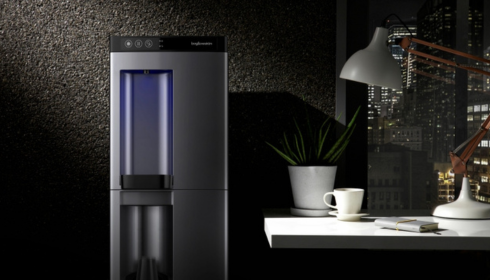
    There was a time when nobody cared how a water dispenser looked. But that’s changed dramatically. In offices where interior design reflects brand identity and employee comfort, aesthetics matter. Sleek stainless steel finishes, touchless sensors, energy-efficient LED lighting—these aren’t “extras” anymore, they’re expectations.

    A high end office water dispenser isn’t just a functional appliance; it’s a design statement. It blends into collaborative spaces without looking industrial, and in some cases, becomes a talking point for visitors. Think about how many clients walk past your break area—those little details build impressions. When water systems are built with the same care as the rest of an office’s design, it shows that a company truly sweats the small stuff.


    Hydration and Productivity: The Overlooked Connection

    Let’s get practical for a second. The average person doesn’t drink nearly enough water during the workday. Caffeine? Sure. Energy drinks? Absolutely. But water often takes a back seat. The problem is, even mild dehydration can tank productivity, leaving people sluggish and unfocused.

    Studies have shown that keeping hydration front-and-center in the office boosts energy and concentration levels. Employees are less likely to hit that mid-afternoon slump, and they make fewer mistakes. Something as simple as a glass of cold, filtered water can shift the day’s momentum.

    By making hydration easy, appealing, and accessible, businesses are investing not just in employee comfort, but in tangible productivity gains. It’s one of those small office perks that pays back in ways you can actually measure.


    Sustainability Is Driving Decisions

    Another reason the water dispenser market is evolving? Sustainability. Offices are under growing pressure to reduce their environmental footprint, and bottled water just doesn’t cut it anymore. The transportation, the plastic, the waste—it’s a sustainability nightmare.

    Direct-dispense and rental systems, by contrast, reduce waste dramatically. They eliminate the need for single-use plastics and cut down on emissions from transportation. Some companies even go a step further, tracking their reduced carbon footprint as part of their corporate social responsibility reports.

    Employees notice these things, too. A workplace that swaps bottled water for sustainable alternatives isn’t just making a cost-saving move, it’s sending a message: “We care about the environment, and we’re willing to act on it.” In today’s competitive talent market, those small signals matter.


    The Tech Side of Water Coolers

    It’s easy to forget that even water dispensers are getting smarter. Touchless activation, UV purification, built-in monitoring—these are features that didn’t exist a decade ago. Some models even track usage data, which can help facility managers understand peak times and plan around them.

    This level of detail might seem unnecessary at first glance, but for larger offices, it can be a game changer. No more running out of capacity during lunch breaks or maintenance being delayed until after employees complain. Smart systems bring the same kind of efficiency we expect in every other area of workplace technology.


    So, What’s Next for the Office Water Cooler?

    The office water dispenser has quietly gone from an afterthought to an important piece of workplace infrastructure. It’s no longer just a spot to grab a glass of water; it’s a reflection of company culture, values, and design standards.

    What’s next? Expect to see even more integration of smart features, more sleek designs that rival kitchen appliances, and an even bigger push toward sustainability. And with remote and hybrid work still shaping how offices are used, businesses will likely lean on rental models that let them stay flexible without sacrificing quality.

    At the end of the day, water is basic, but how it’s delivered doesn’t have to be. The companies that get this right aren’t just quenching thirst—they’re quietly building workplaces that feel more thoughtful, efficient, and human. And in an era when employees notice every detail, that’s a pretty powerful thing for something as simple as a glass of water.

  • The Timeless Appeal of Water Fountains: From Ancient Beauty to Modern Necessity

    The Timeless Appeal of Water Fountains: From Ancient Beauty to Modern Necessity

    There’s something about the gentle sound of trickling water that feels timeless. For centuries, people have been drawn to flowing streams, springs, and fountains. Whether it’s the refreshing coolness on a hot summer day, or simply the way water softens the noise of a busy world, fountains have carved their place in human history. And surprisingly, their role today goes far beyond decoration.

    A Brief Look Back

    Fountains aren’t just a modern design trend. If you step back into history, they’ve always had an important purpose. In ancient Rome, aqueducts carried water for entire cities, and water fountains became both a functional and cultural centerpiece. They weren’t only about beauty; they provided drinking water to ordinary citizens. Fast forward to the Renaissance, and you’d find extravagant fountains in palace courtyards, symbolizing wealth and artistic genius.

    Even now, those old-world fountains stand as proof of how water connects us — as a resource, a luxury, and an element of peace.

    Why Fountains Still Matter

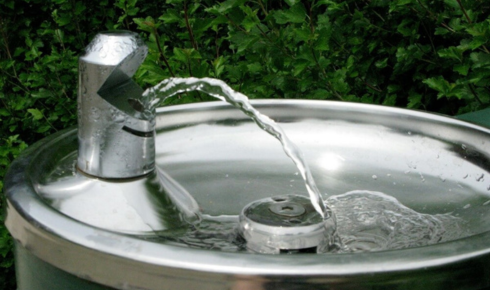
    In today’s world, fountains serve a slightly different purpose, but the idea is still the same: water should be accessible, refreshing, and inviting. You’ll see them in parks, schools, gyms, and airports. Unlike decorative stone fountains of the past, these modern installations focus on health, hydration, and sustainability.

    And let’s be honest, we don’t always carry a bottle around. Having access to clean drinking water in public spaces is a small but essential convenience we often overlook.

    The Rise of Filtered Solutions

    Of course, just putting a fountain on the corner isn’t enough anymore. People have grown more conscious about what they drink. Concerns about taste, safety, and environmental impact have reshaped the way we think about public hydration. That’s where filtered water fountain systems step in.

    Instead of relying on outdated plumbing or unfiltered tap connections, these systems combine modern filtration technology with the convenience of a public dispenser. They remove impurities, keep the water tasting fresh, and reduce the need for disposable plastic bottles. If you’ve ever used one of those fountains that also lets you refill a reusable bottle, you’ve probably felt that mix of relief and gratitude.

    It’s a small upgrade with big consequences: less plastic waste, better health, and more trust in public water sources.

    Commercial Spaces and Practical Benefits

    Walk into any busy building — say a shopping mall, office tower, or university — and you’ll notice something: people need water. It’s not optional. That’s why a Commercial Water Fountain isn’t just a “nice-to-have.” It’s practically mandatory.

    Facility managers know that providing access to clean water boosts comfort, productivity, and even overall safety. Imagine a gym without a water source, or an airport terminal without fountains. The frustration would be immediate. These fountains aren’t flashy, but they keep the wheels of daily life running.

    Businesses are also catching on that installing the right system sends a strong message. It shows care for employees, visitors, and even the planet by cutting down on single-use plastics.

    Beyond Utility: The Human Side

    It’s funny how such a simple fixture can carry so much meaning. Think of a fountain in a public park on a hot afternoon. Families gather, joggers stop for a sip, kids laugh as water spills onto their faces. Or in a corporate office, where a quick refill break becomes a chance to chat, breathe, and reset before the next meeting.

    These everyday moments may seem small, but they add up. Fountains foster connection, encourage healthier habits, and remind us that hydration is a shared human need.

    The Environmental Edge

    Another aspect worth highlighting is sustainability. We’ve all seen the staggering statistics about plastic bottle waste. Billions of bottles end up in landfills or oceans every year. Reusable bottles paired with modern fountains can make a noticeable difference. It’s one of those rare solutions that’s both convenient and eco-friendly.

    When people have easy access to clean water in public, they’re far less likely to buy single-use bottled water. It’s a ripple effect — fewer bottles manufactured, transported, and thrown away. Over time, that ripple becomes a wave of change.

    Choosing the Right Fountain

    Not all fountains are created equal. For businesses, schools, or city planners, choosing the right model makes all the difference. Factors like foot traffic, location, and maintenance needs play a role. Some spaces may need high-capacity bottle-fill stations, while others do better with compact wall-mounted designs.

    Filtration systems should also be a priority. After all, what’s the point of offering water if people don’t trust it? Modern units often feature multi-stage filters that handle everything from chlorine taste to microscopic contaminants.

    A Blend of Function and Aesthetics

    Even in their simplest form, fountains carry an aesthetic quality. Stainless steel models fit sleekly into modern architecture, while freestanding outdoor units can complement natural surroundings. They may not be as ornate as Renaissance masterpieces, but they still bring a subtle beauty to their environment.

    And yes, they’re still capable of creating that calming sound of flowing water, especially in outdoor spaces. Even practical systems can bring a sense of ease and presence.

    Looking Ahead

    As cities continue to grow and sustainability takes center stage, the importance of fountains will only increase. They’re not relics of the past; they’re tools for the future. Technology will likely improve efficiency further, with touchless designs, smart sensors, and real-time monitoring for water quality.

    But at the heart of it all, the purpose stays the same: making clean, refreshing water available to everyone.

    Final Thoughts

    Fountains may feel ordinary, but they’re extraordinary in the quiet role they play in daily life. They connect ancient traditions with modern innovation, blending beauty with practicality. From ornate sculptures in historic squares to sleek bottle-fill stations in airports, they remind us of something simple yet powerful: water should always be within reach.

    So the next time you stop at one, take a second to appreciate it. That moment of refreshment isn’t just about quenching thirst — it’s a reminder of history, sustainability, and our shared humanity.