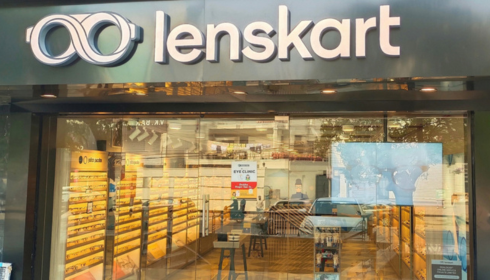
India’s eyewear industry has changed dramatically over the last few years. What was once considered a small retail niche has now become a booming business sector driven by fashion trends, digital lifestyles, and rising awareness about eye health. Among the brands leading this transformation, Lenskart has built a strong reputation with its hybrid online and offline retail model.
For entrepreneurs looking to enter the optical retail market, the idea of opening a lenskart store dealership has become increasingly attractive. The company’s wide customer base, aggressive marketing, and growing presence across Indian cities make it one of the most recognized eyewear brands today.
Why the Eyewear Market Is Growing So Fast
The demand for eyewear products isn’t limited to prescription glasses anymore. Today, people buy glasses as fashion accessories, workplace essentials, and even lifestyle products. Increased screen time has also contributed to rising cases of eye strain and vision-related concerns.
Because of this shift, optical stores are no longer seen as traditional shops. Modern consumers expect stylish collections, digital eye testing, fast delivery, and branded experiences. Companies like Lenskart have capitalized on this demand by combining technology with retail convenience.
That’s one of the reasons many investors are exploring franchise-based business models instead of starting independent optical stores from scratch.
What Makes Lenskart’s Business Model Attractive
One of the biggest advantages of partnering with a known brand is customer trust. A recognized brand name already has visibility, advertising support, and loyal buyers. This reduces the struggle many new businesses face during the first few years.
A typical Lenskart outlet benefits from:
- Established brand recognition
- Nationwide advertising campaigns
- Product supply support
- Technology-driven eye testing systems
- Training assistance for staff
- Omnichannel customer experience
This combination helps franchise owners focus more on operations and customer service rather than building credibility from zero.
Another interesting factor is how the company blends online and offline sales. Customers may browse products online but still prefer visiting a nearby store for fitting, testing, or trying frames physically. That creates regular foot traffic for franchise outlets.
Investment and Setup Expectations
When people search for lenskart store franchise cost, they usually want to understand the total investment required before starting. The overall amount can vary depending on location, store size, interiors, and city category.
Generally, investment areas include:
- Franchise or brand fees
- Store interiors and furniture
- Inventory and display stock
- Eye testing equipment
- Staff salaries
- Security deposit and rent
- Marketing and operational expenses
Prime commercial locations in metro cities usually require higher budgets, while smaller towns may offer lower setup costs with good growth potential.
Retail visibility matters a lot in this business. Stores located in shopping markets, high-footfall commercial areas, or malls often perform better because eyewear purchases are frequently impulse-driven as well as necessity-based.
Skills Needed to Run an Optical Franchise
Interestingly, you don’t always need a deep medical background to operate an eyewear store successfully. Strong business management and customer handling skills can make a major difference.
However, having trained optometrists or knowledgeable staff is essential. Customers expect proper guidance regarding lenses, frames, coatings, and eye testing.
Successful franchise owners often focus on:
- Customer experience
- Quick service
- Clean store presentation
- Trendy frame collections
- Staff behavior and communication
- After-sales support
People remember smooth service experiences, especially in retail sectors connected to health and fashion.
Challenges Entrepreneurs Should Consider
Every business opportunity comes with challenges, and optical retail is no exception. Competition in urban areas is increasing rapidly, especially from local optical shops and emerging online brands.
Rental costs in premium locations can also affect profitability if customer flow remains low. Inventory management becomes another critical factor because eyewear trends change quickly.
Some entrepreneurs enter the business assuming instant profits due to the brand name alone. In reality, local marketing, customer retention, and operational efficiency still matter greatly.
It’s also important to study the demographics of the target area before investing. Regions with working professionals, students, and families often show stronger demand for eyewear products.
Is It a Good Business Opportunity?
For many investors, the eyewear sector offers long-term stability because vision care is a recurring need rather than a temporary trend. People replace glasses regularly, buy sunglasses seasonally, and increasingly look for branded eyewear options.
That recurring demand creates a potentially sustainable retail model when managed properly.
A franchise-backed approach may especially suit entrepreneurs who prefer structured business systems instead of building an independent retail brand from the ground up. While profitability depends on multiple factors, the organized retail eyewear market in India still appears to have significant room for expansion.