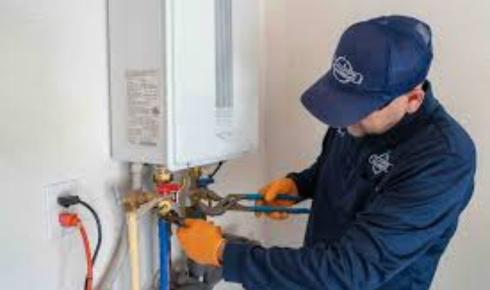
There’s a certain comfort in turning on the tap and knowing hot water will be there—reliable, steady, almost invisible in its presence. Until it isn’t. And when that moment comes, usually on a rushed morning or a chilly evening, you realize just how essential your water heater really is. It’s one of those home systems you don’t think about… until you absolutely have to.
Let’s talk about it—not in a dry, technical way, but in the way you’d actually want someone to explain it to you over a cup of chai. Because keeping your water heater running smoothly isn’t just about convenience—it’s about avoiding stress, unexpected costs, and those frustrating cold showers.
Understanding Your Water Heater (Without Overthinking It)
Most people don’t know much about their water heater, and honestly, that’s okay. You don’t need to be a technician. But a little awareness goes a long way.
Whether you have a traditional tank installation system or a newer tankless model, the basic idea is simple: heat water, store or deliver it, and keep it ready when needed. Over time, though, things wear down. Sediment builds up. Parts get tired. Efficiency drops quietly in the background.
And then one day, you notice something small—a longer wait for hot water, a strange noise, or maybe the water isn’t quite as hot as it used to be. These are early signals. Not dramatic, but important.
Ignoring them? That’s where bigger problems start.
Signs Your System Might Be Struggling
You don’t need fancy tools to figure out if something’s off. Your water heater will usually “tell” you—just not in words.
Here are a few common signs:
- Water takes forever to heat
- Temperature keeps fluctuating
- Strange popping or rumbling sounds
- Rust-colored water
- Small leaks around the tank
At first glance, these might seem minor. Maybe you brush it off. But these small signs often point to internal issues that won’t fix themselves.
And here’s the thing—waiting rarely makes it better. It usually just makes the repair more expensive later.
Why Regular Maintenance Matters More Than You Think
Maintenance isn’t exciting. No one wakes up thinking, “Today feels like a good day to flush my water heater.” But skipping it can quietly cost you.
Sediment buildup is one of the biggest culprits. Minerals in the water settle at the bottom of the tank, forming a layer that makes heating less efficient. Over time, this can lead to overheating, damage, and even tank failure.
A simple flush once a year can extend your system’s life significantly. It’s one of those small efforts with a surprisingly big payoff.
Also, checking components like the anode rod (which prevents rusting) or the pressure relief valve can prevent long-term damage. These aren’t complicated tasks—but they’re often overlooked.
Repair or Replace? The Question Everyone Asks
At some point, every homeowner faces this decision. And honestly, there’s no one-size-fits-all answer.
If your unit is relatively new and the issue is minor—say, a faulty thermostat or heating element—repair it makes sense. It’s cost-effective and quick.
But if your water heater is over 8–10 years old and starting to show multiple issues, replacement might actually save you money in the long run. Older systems tend to be less energy-efficient and more prone to breakdowns.
Think of it like an aging car. You can keep fixing it… but at some point, it stops being practical.
Choosing the Right System for Your Home
If you do decide to replace your water heater, the next step can feel a bit overwhelming. Tank or tankless? Electric or gas? What size?
Here’s a simple way to look at it:
- Tank systems are affordable and reliable, ideal for households with predictable usage
- Tankless systems are more energy-efficient and provide hot water on demand, but cost more upfront
Your choice depends on your lifestyle, budget, and long-term plans. A small family might do perfectly fine with a standard tank system, while a larger household could benefit from the continuous supply of a tankless unit.
And yes, this is where professional advice really helps.
The Value of Professional Help (Even If You’re Handy)
Some people love DIY fixes—and for minor issues, that’s great. But when it comes to something as critical as your water heater, there’s a limit.
Improper repairs can lead to bigger problems, safety risks, or even voided warranties. Gas connections, electrical components, and pressure systems aren’t things you want to guess your way through.
That’s why reliable water heater services can make all the difference. Not just in fixing the issue, but in doing it right the first time.
A good technician doesn’t just repair—they diagnose, advise, and help you avoid future headaches.
Small Habits That Make a Big Difference
You don’t need to overhaul your routine to take better care of your water heater. A few simple habits can go a long way:
- Lower the thermostat slightly to reduce strain
- Drain a small amount of water every few months to remove sediment
- Keep an eye out for leaks or unusual sounds
- Schedule an annual inspection
It’s not about being perfect. It’s about being a little more aware.
Final Thoughts: It’s About Comfort, Not Just Plumbing
At the end of the day, your water heater isn’t just a piece of equipment. It’s part of your daily comfort—the warm shower after a long day, the ease of washing dishes, the little things that make a house feel like home.
Taking care of it doesn’t require expertise, just a bit of attention and the willingness to act when something feels off.
And maybe that’s the real takeaway here—don’t wait for a complete breakdown to start caring. A little effort now can save you from a lot of inconvenience later.
Because hot water shouldn’t be something you worry about. It should just… be there.