Water is supposed to be the easy part of life. You pour it, drink it, cook with it, and move on. For most people, that’s the end of the story. But when you start thinking about family health—especially with a baby in the house or one on the way—water suddenly feels a little more serious. Questions creep in quietly. Where does our water come from? What’s actually in it? And is it doing what we assume it’s doing?
These aren’t dramatic questions. They’re practical ones. And they often start with a single word people hear more and more lately: nitrates.
The quiet presence of nitrates
Nitrates aren’t new, and they aren’t rare. They exist naturally in soil and water, part of the nitrogen cycle that helps plants grow. The issue isn’t their existence—it’s their concentration. Over time, agricultural practices, fertilizers, septic systems, and even natural decomposition can raise nitrate levels in groundwater.
What makes nitrates tricky is how invisible they are. No smell. No taste. No cloudiness. Water can look crystal clear and still carry elevated levels. That invisibility is what pushes people to learn more, not because something feels wrong, but because nothing feels wrong at all.
Why families start paying attention
For households without kids, water quality can feel like a background concern. But for parents, especially new ones, priorities shift. You start reading labels. You ask different questions. You notice things you might’ve ignored before.
That’s where water safety for infants becomes part of the conversation. Babies process water differently than adults, and what’s harmless to one body can be stressful to another. This doesn’t mean panic is necessary—it means awareness matters. Understanding what’s in your water becomes less about general wellness and more about responsibility.
Testing before treating
One of the smartest steps families take is testing their water before making any changes. It’s tempting to jump straight to solutions, but without knowing your actual levels, you’re guessing. And guessing often leads to overcorrection or wasted money.
Testing provides context. It tells you whether nitrates are present, at what level, and whether action is even needed. Sometimes results bring peace of mind. Other times, they point toward targeted solutions. Either way, you’re making decisions based on facts, not fear.
What removal really means
When nitrates are elevated, the conversation naturally turns to nitrate removal. This phrase can sound technical or intimidating, but the goal is simple: reduce nitrates to levels considered safe for long-term use.
Not all treatment systems address nitrates effectively, which is why understanding the “how” matters. Removing nitrates isn’t about filtering dirt or improving taste. It’s about changing the chemistry of the water in a controlled, reliable way.
That’s why general-purpose filters often fall short. They’re designed for aesthetics or flavor, not for specific contaminants that require precision.
A closer look at targeted treatment
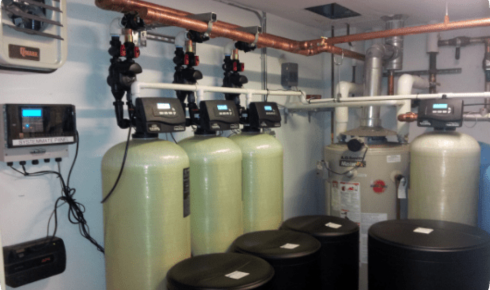
There are a few proven methods for addressing nitrates, and one of the most commonly used is ion exchange treatment. The name sounds complex, but the concept is straightforward. The system swaps nitrate ions in the water with other, less concerning ions, effectively reducing nitrate concentration before the water reaches your tap.
What makes this approach appealing is its focus. It doesn’t try to “fix” everything. It addresses one issue well, which is often exactly what families want. Targeted solutions tend to be more efficient, more predictable, and easier to maintain over time.
Avoiding the trap of overdoing it
One thing many homeowners learn along the way is that more treatment isn’t always better. Stripping water of everything can create its own set of issues—flat taste, aggressive water, or unnecessary complexity.
Good water treatment is about balance. You remove what needs removing and leave the rest alone. This philosophy keeps systems simpler and results more consistent. It also helps families feel confident that they’re making thoughtful choices rather than reacting emotionally.
Living with awareness, not anxiety
It’s easy for water discussions to drift toward worst-case scenarios. Online articles, forums, and headlines don’t always help. But in real life, most water quality challenges are manageable once you understand them.
Awareness doesn’t mean worry. It means you know when to test, what to watch for, and how to respond if conditions change. For families with infants, this awareness brings reassurance rather than stress. You’re not guessing. You’re informed.
The long view of water quality
Water quality isn’t static. It changes with seasons, rainfall, land use, and time. What tests fine today might shift slowly over years. That’s why periodic testing, especially for private well users, becomes part of a long-term routine rather than a one-time task.
This long view helps homeowners stay ahead without becoming obsessive. You check in. You adjust if needed. You move on.
How good water fades into the background
The ultimate goal of any water improvement isn’t to think about water more—it’s to think about it less. When water feels trustworthy, it fades back into daily life. You fill bottles without hesitation. You mix formula confidently. You stop second-guessing every glass.
That sense of normalcy is underrated, but deeply valuable.
A thoughtful ending, because this topic deserves one
Caring about nitrates and water quality doesn’t mean distrusting your home or your environment. It means respecting them enough to understand them. For families, especially those with young children, that understanding brings calm.
Clean water isn’t about perfection. It’s about intention. When you take the time to learn what’s in your water and how to manage it wisely, you create a home that supports health quietly, consistently, and without drama.
And in the end, that quiet confidence is exactly what good water should give you.