

Let’s face it—clean water and air aren’t optional. They’re not nice-to-haves. They’re the baseline of what every human, every business, every structure deserves. Whether it’s a hospital, an office, a school, or a sprawling commercial complex, the need for safe, breathable air and reliable water quality isn’t just about comfort—it’s about responsibility. And while we’ve come a long way in filtration tech, most buildings still treat it like an afterthought. That’s changing. Slowly. But thankfully, changing.
When Clean Air and Water Meet the Business World
Walk into any modern commercial building and you’ll see sleek architecture, open-plan workspaces, and probably a lot of glass. But what you won’t see? The invisible systems humming behind the walls that determine how breathable the air is—or how safe the water is coming out of that tap in the breakroom.
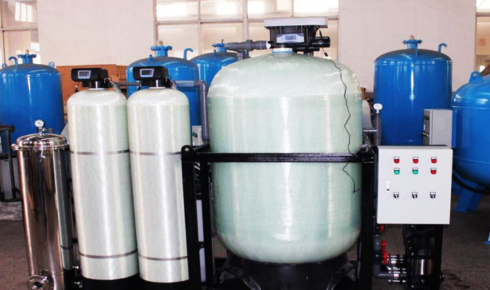
This is where commercial water & air solutions enter the conversation—not as a luxury, but as an integral part of sustainable, people-first infrastructure. It’s about more than compliance. It’s about integrity. These systems go beyond basic HVAC or a simple Brita filter in the corner office. We’re talking smart sensors, industrial-grade filtration, automated chemical-free treatment, and seamless integration into building management systems.
Why Healthcare Facilities Can’t Afford to Compromise
Hospitals, clinics, eldercare homes—these places aren’t just buildings. They’re lifelines. They house the vulnerable. People recovering. People with weakened immune systems. People who depend on the environment around them to survive another day.
That’s what makes healthcare facilities a top priority when it comes to filtration systems. If you’ve ever walked past a hospital boiler room, you’ll realize how complex their water and air infrastructure really is. Sterilization units. Humidifiers. Surgical rooms needing precise air circulation. And let’s not forget the basics—clean showers, safe drinking water, zero microbial growth.
It’s not just about passing an inspection. It’s about preventing infections, reducing patient risk, and building trust in the environment where healing is supposed to happen.
One Size Never Fits All, and It Shouldn’t
The frustrating thing? Many buildings are still stuck with cookie-cutter systems that were installed decades ago and “get the job done.” But that’s like using a flip phone in the age of AI. What you really need is personalization. Optimization. Systems designed for your building, not just whatever was in stock.
That’s where custom whole-building filtration becomes a game-changer. Not every building has the same water source, same contaminants, same usage levels, or even the same end goals. A warehouse in Phoenix and a high-rise in Boston don’t need identical systems—and that’s exactly why modular, custom-designed setups are gaining traction. UV systems, multi-stage carbon filters, smart valve tech—it’s all becoming more precise, more scalable, and more aligned with individual needs.
And the best part? Once installed, you rarely have to think about it again. The system just works—quietly, efficiently, and behind the scenes.
The ROI No One Talks About
Let’s talk money. Because, whether we like it or not, it often decides the pace of innovation. The upfront investment in better filtration and cleaner systems isn’t negligible—but neither is the ROI.
Think fewer maintenance calls. Extended equipment life. Happier tenants or employees. Lower liability in case something goes wrong. And if you’re in the business of healthcare, education, or hospitality? The reputational value alone is worth its weight in gold.
Plus, more and more certifications and green building programs are prioritizing air and water quality metrics. LEED, WELL, Fitwel—they’re not just acronyms. They’re access to new tenants, bigger contracts, and a stronger competitive edge.
Hidden Health Effects Are No Longer Hidden
One of the most overlooked pieces in this puzzle? The subtle, long-term effects of poor air and water on the human body.
Ever heard of “sick building syndrome”? It’s real. Headaches, fatigue, respiratory irritation—all from a poorly ventilated or contaminated environment. Now extend that over months or years. Add in poor hydration, chlorinated tap water, trace contaminants. Suddenly, it’s not just a building problem—it’s a public health issue.
That’s why building managers, architects, and engineers are finally giving filtration systems the spotlight they deserve. Not just as a compliance checkbox, but as a pillar of occupant well-being.
Future-Forward Thinking: Sustainability Meets Smart Tech
What’s really exciting is how these systems are evolving. Today, it’s not just about removing contaminants—it’s about doing it smarter. Think AI-controlled systems that self-adjust in real-time. Filters that notify you when they’re worn out. Building dashboards that track air quality levels by the hour.
Smart cities are already integrating water and air data across entire blocks of buildings. Commercial campuses are turning sustainability into a competitive edge, where clean water and fresh air become marketing points, not background noise.
And with growing global pressure around climate change, drought, and pollution, these changes aren’t optional anymore. They’re inevitable.
Real-World Wins, Quietly Transforming Lives
Here’s what we often forget: the best systems are invisible.
The school where kids stopped getting mystery coughs in winter? No headline. Just better air circulation and upgraded filters.
The small clinic that suddenly saw a dip in equipment rust? Turned out to be hard water all along—solved by a smart inline softening unit.
The corporate tower that started offering purified hydration stations on every floor? Employees actually started drinking more water. Productivity ticked up. Absenteeism ticked down.
Small stories. Big impact.
Final Thoughts: The Air We Breathe, The Water We Drink—They Matter
This isn’t just another facilities upgrade. This is about health. Trust. Future-proofing. From boardrooms to boiler rooms, every corner of a building deserves clean water and breathable air.
So, whether you’re overseeing a hospital wing, managing a shopping center, or planning the next green skyscraper, don’t treat filtration like an afterthought. Treat it like the foundation it is.
Because the future of building health starts with the basics. And those basics are changing.


