

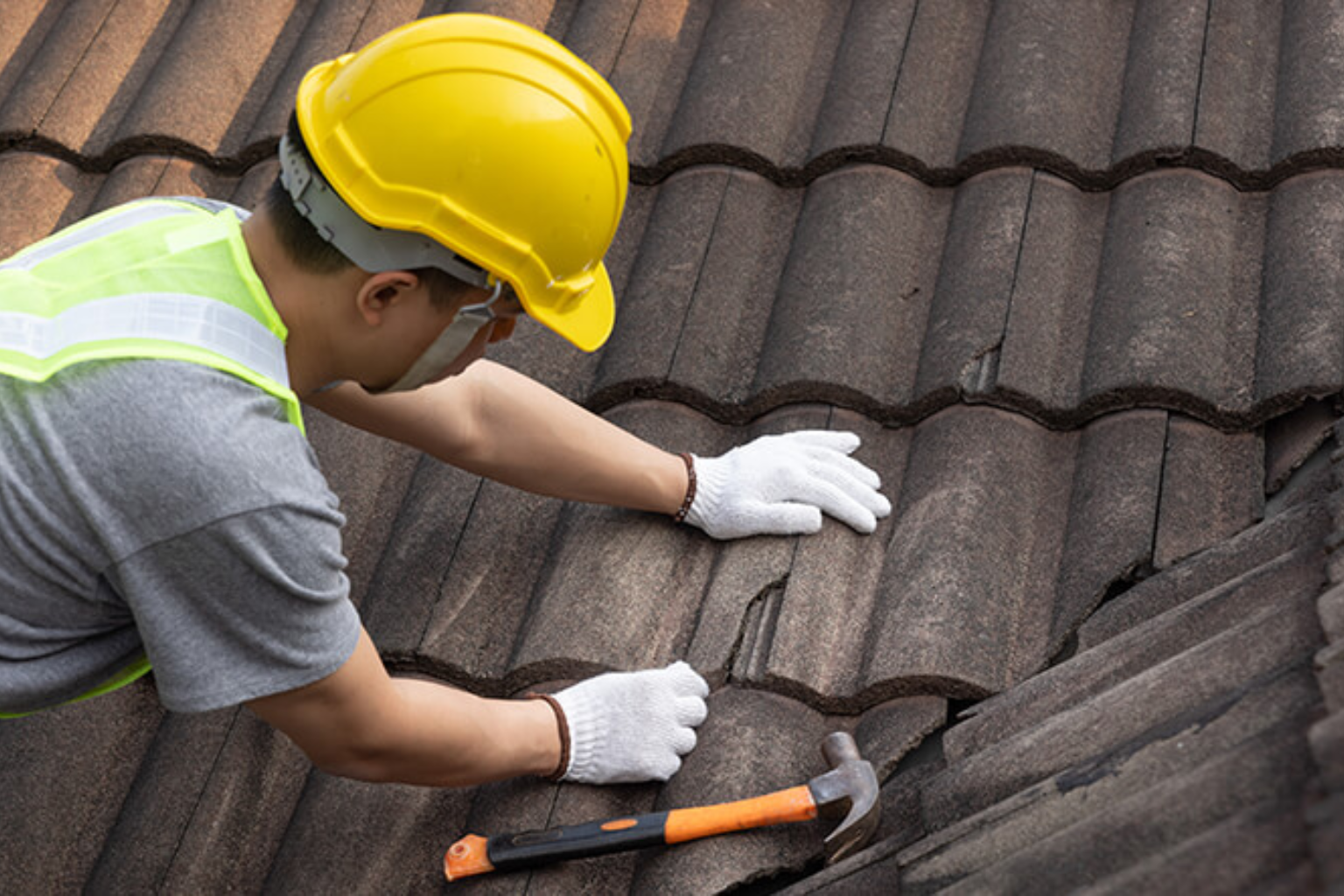
Most homeowners don’t think much about their roof — at least not until it gives them a reason to. It’s one of those silent protectors, working day and night without asking for attention. Rain hits it, sunlight bakes it, wind tests it. And for years, sometimes decades, it simply does its job.
But here’s the thing: roofs do talk. Just not loudly.
They whisper through subtle signs — a small stain on the ceiling, a loose shingle after a storm, or a draft that wasn’t there last winter. The trick is learning how to listen before those whispers turn into expensive emergencies.
The Early Clues Most People Miss
It often begins with something small. Maybe you notice tiny granules collecting near the gutters. Or a patch of shingles looks slightly darker than the rest. You might even hear faint creaking sounds during heavy winds.
These aren’t random occurrences. They’re warning signals.
Over time, roofing materials naturally wear down. Temperature shifts cause expansion and contraction. Moisture slowly seeps into vulnerable areas. Even the strongest roofing systems face gradual aging.
Ignoring these early signs usually leads to more complicated problems later — and that’s where timely roof repair becomes incredibly important.
Why Quick Repairs Matter More Than You Think
Some homeowners assume small roof issues can wait. After all, if there’s no visible leak, everything must be fine, right?
Not exactly.
Even minor damage can allow moisture to penetrate beneath the surface layers. Once water enters, it doesn’t just stay in one spot. It travels through insulation, wood framing, and sometimes even electrical systems.
The longer these issues go untreated, the more they spread.
A quick repair can prevent structural deterioration, mold growth, and costly interior damage. In many cases, fixing a small issue early costs a fraction of what larger restoration projects require.
When Repairs Aren’t Enough
There comes a point, though, when repairs no longer provide lasting solutions. If a roof has widespread wear, repeated leaks, or visible sagging, patchwork fixes may only delay the inevitable.
This is when homeowners start considering roof replacement — a decision that often feels overwhelming at first.
But replacing a roof isn’t just about solving problems. It’s about resetting the clock on your home’s protection. A new roof can last decades, offering peace of mind through storms, seasonal changes, and everyday exposure.
Understanding Modern Roofing Materials
Today’s roofing options have evolved significantly. Advances in technology have made materials more durable, energy-efficient, and visually appealing than ever before.
One of the most popular choices remains asphalt shingle roofing, and for good reason.
These shingles combine affordability with reliable performance. They come in a wide range of styles and colors, allowing homeowners to match their roof to their home’s architectural character.
Modern asphalt shingles also include improved weather resistance, UV protection, and longer lifespans compared to earlier versions.
The Hidden Role of Roof Ventilation
Many people focus only on the visible parts of a roof, but what lies beneath is equally important.
Proper ventilation plays a major role in roof longevity. Without adequate airflow, heat and moisture can become trapped in attic spaces.
Over time, this buildup can warp roofing materials, weaken insulation, and even increase energy costs.
Good ventilation systems allow hot air to escape and fresh air to circulate, helping the roof maintain stable conditions year-round.
Energy Efficiency Starts at the Top
A well-maintained roof does more than prevent leaks — it directly impacts energy efficiency.
When roofing systems deteriorate, insulation performance often suffers. Heat can escape during winter, while summer temperatures penetrate more easily.
Upgrading roofing materials or improving insulation can significantly reduce heating and cooling expenses.
Many homeowners notice lower utility bills after investing in roofing improvements, even if they didn’t initially expect that benefit.
Weather Resilience in a Changing Climate
Weather patterns have become increasingly unpredictable. Heavy rains, stronger winds, and extreme temperature swings are more common than they once were.
This makes roof durability more important than ever.
Modern roofing systems are designed to withstand these challenges. Impact-resistant materials, reinforced underlayment, and improved sealing techniques all contribute to stronger protection.
A resilient roof acts as a first line of defense against environmental stress.
Emotional Peace of Mind
Beyond practical benefits, there’s something deeply reassuring about knowing your home is protected from above.
A strong, well-maintained roof brings a sense of security. You don’t worry during heavy storms. You don’t check ceilings for stains after rainfall.
That peace of mind is difficult to quantify — but homeowners often describe it as one of the most valuable outcomes of roofing upgrades.
Investing in Long-Term Protection
Roofing decisions aren’t just about immediate needs. They’re long-term investments in safety, comfort, and property value.
Regular inspections, timely repairs, and thoughtful upgrades can extend a roof’s lifespan significantly.
And when replacement becomes necessary, choosing quality materials and professional installation ensures lasting results.
Listening Before It’s Too Late
Roofs rarely fail without warning. They offer clues long before major problems appear.
By paying attention to those signals — the small stains, loose shingles, or subtle drafts — homeowners can address issues early and avoid unnecessary stress.
Because at the end of the day, a roof isn’t just a structural component. It’s a quiet guardian, standing between everything you care about and the unpredictable world outside.
And sometimes, all it asks is that you listen.


