

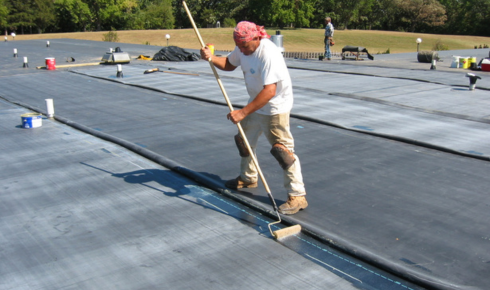
Let’s get one thing straight — commercial roofing isn’t glamorous. You’re not going to see a flat roof featured on an HGTV makeover or trending on Pinterest. But when it comes to protecting your building, your inventory, and your peace of mind? That roof matters. A lot.
Thing is, most business owners don’t think about their roof until water starts dripping onto something expensive. And by then? It’s a mess. Replacing or installing a flat roof isn’t just about picking a material — it’s about understanding the why, the what, and the oh, I didn’t realize that needed a permit. So let’s talk real-world roofing in a way that makes sense — no fluff, no hard sell.
Roof Work Without a Permit? That’s a Risk You Don’t Want
Let’s kick things off with the paperwork side of things. Because as boring as it sounds, a roofing permit can make or break your entire project. Some property owners get caught up in the hustle — they want a quick fix, fast quote, no red tape. But skipping a permit? That’s a shortcut with long-term consequences.
Permits aren’t just there to slow you down. They ensure the work meets safety standards, follows city codes, and doesn’t leave you with legal headaches down the line. And if you’re ever planning to sell the property? An unpermitted roof job can delay closings or tank appraisals.
Here’s a tip: any reputable contractor should handle this for you. If they’re trying to skip it, or telling you it’s unnecessary — that’s your cue to run.
PVC Roofing: Not Just a Fancy Plastic
Now, if you’re dealing with a flat or low-slope roof — which most commercial buildings are — someone’s probably mentioned PVC roofing. And no, we’re not talking about pipes. This is a single-ply membrane that’s been winning fans in the roofing world for decades.
What makes PVC so appealing? For starters, it’s incredibly durable and resists chemicals, grease, fire, and punctures. That makes it perfect for restaurants, factories, or any building with rooftop exhaust systems. It also reflects sunlight like a mirror, helping reduce cooling costs — especially if you’re roasting in a southern state.
Plus, PVC seams are heat-welded, creating a watertight seal that’s less likely to fail over time compared to adhesive systems. Translation? Fewer leaks, fewer calls to your roofer, and fewer late-night tarp emergencies.
Sure, it’s not the cheapest option on the market, but if you want something that handles abuse and lasts 20+ years with minimal drama, PVC is worth every penny.
EPDM Roofing: The Workhorse of Flat Roofs
On the flip side, maybe you’re working with a tighter budget, or your building doesn’t have a bunch of rooftop equipment to worry about. That’s where EPDM roofing comes in — a.k.a. “rubber roofing.”
EPDM has been around forever, and for good reason. It’s lightweight, easy to install, and flexible enough to handle expansion and contraction in wild temperature swings. It’s especially useful in colder climates since it handles freezing and thawing like a pro.
The downside? It’s usually black, which means it absorbs heat (though white coatings are available). And while it’s durable, it’s a bit more prone to punctures than PVC or TPO, especially in high-traffic areas.
Still, for the cost, EPDM offers great value and solid longevity — often lasting 20 to 30 years with good maintenance. If your roof doesn’t need to do anything fancy, just stay leak-free and affordable, EPDM might be your best friend.
Choosing What’s Right for Your Roof (and Your Sanity)
Now, here’s where it gets tricky. Both PVC and EPDM are solid options. So how do you choose?
- Got heavy rooftop machinery or a kitchen below? Go PVC.
- Need something budget-friendly and proven? EPDM might be the move.
- Live in a scorching climate and want a cooler interior? PVC’s reflectivity helps.
- Just want to get a reliable roof over your head ASAP without breaking the bank? EPDM all day.
It’s not about what’s “best” — it’s about what’s best for your building.
What Most Contractors Won’t Say Out Loud
A lot of companies will pitch you the material they’re most comfortable installing, or the one they’ve got a good margin on. And sure, they might have valid reasons — but that doesn’t always mean it’s the right call for you.
Ask the hard questions. Get multiple quotes. Read the warranty details. And don’t just go with the lowest price. Remember, a $5,000 mistake on a roof becomes a $15,000 nightmare once water gets in.
And if they’re not talking permits? Walk away. Seriously. That one detail tells you everything you need to know about their approach.
Final Thoughts: Think Long-Term, Not Just Low-Stress
Look — you’ve got enough on your plate running a business. Roofing shouldn’t be something you worry about weekly. But when it is time to make a call, don’t rush it. Take the time to understand your options, read the fine print, and work with someone who treats your building like it’s their own.
Because this isn’t just about covering your space. It’s about protecting what happens underneath it. The people, the products, the late nights, and the big ideas — they all deserve a roof that’s reliable, durable, and done right.


