

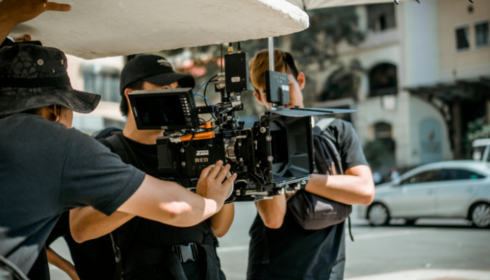
As digital marketing evolves, video has become one of the most powerful tools for capturing attention, building trust, and driving measurable results. Brands investing in video production services in 2026 are expected to go beyond aesthetics and focus on intentional storytelling, strategic execution, and conversion alignment. High-performing video content now sits at the intersection of creativity, data, and user psychology.
Below are nine in-depth techniques organized into eight strategic sections, designed to help marketers and businesses create video content that supports both brand growth and revenue goals across the digital ecosystem.
1. Audience-Led Narrative Mapping
Strategic video begins with a clear understanding of who the content is for and why it exists. Audience-led narrative mapping focuses on aligning video stories with specific buyer personas, their challenges, and their stage in the decision-making process. This approach prevents generic messaging and increases relevance.
To execute this strategy, start by defining core audience segments using CRM data, website behavior, and customer interviews. Identify key pain points, objections, and desired outcomes for each segment. Then map a narrative structure that mirrors their journey, from problem recognition to solution discovery.
For example, a SaaS brand might develop separate video narratives for startup founders and enterprise decision-makers. While the product remains the same, the story emphasizes speed and flexibility for startups and scalability and compliance for enterprise viewers. This alignment increases engagement and conversion likelihood.
2. Story-First Scripting With Conversion Intent
Story-first scripting prioritizes emotional connection while keeping conversion goals clearly in focus. Rather than adding a call to action at the end as an afterthought, the conversion objective is embedded into the story from the beginning.
Execution starts by defining a single primary action you want viewers to take. Once the goal is clear, write a script that introduces a relatable challenge, demonstrates transformation, and positions the brand or product as the enabler of that change. Each scene should move the viewer closer to the intended action.
For instance, a professional services firm might script a video that follows a client struggling with inefficiency, shows how a structured process improved results, and naturally leads viewers to book a consultation. The conversion feels like a logical next step rather than a sales push.
3. Platform-Specific Video Architecture
Different platforms demand different video experiences. Platform-specific video architecture ensures that content is optimized for viewing behavior, technical requirements, and user expectations on each channel.
To implement this, identify primary distribution platforms early in the planning process. Define ideal video length, format, pacing, and hook timing for each channel. During production, capture footage that can be easily adapted into multiple versions without reshoots.
For example, a single production day can yield a long-form YouTube video, vertical short-form clips for social media, and concise versions for paid ads or landing pages. Planning this structure in advance maximizes reach while controlling production costs.
4. Authentic Visual Proof and Trust Signals
Modern audiences value credibility over polish. Authentic visual proof builds trust by showing real people, real processes, and real outcomes instead of relying on abstract claims.
Execution involves incorporating customer testimonials, behind-the-scenes footage, product demonstrations, or live-use scenarios into the video. While production quality remains important, the emphasis is on clarity and transparency rather than perfection.
For example, an e-commerce brand might show real customers using a product in their homes, paired with unscripted feedback. This approach helps potential buyers visualize real-world use and reduces skepticism, especially for higher-consideration purchases.
5. Modular Video Production for Full-Funnel Coverage
Video content performs best when it supports the entire marketing funnel. Modular video production service allows brands to create multiple assets from one production effort, each tailored to a different funnel stage.
Start by defining funnel objectives such as awareness, consideration, decision, and retention. Plan production to capture diverse footage including interviews, b-roll, sound bites, and demonstrations. In post-production, edit these elements into targeted videos for each stage.
For instance, a brand shoot might produce a high-level brand story for awareness, feature-focused clips for consideration, and testimonial snippets for retargeting ads. This approach ensures consistent messaging while improving efficiency and ROI.
6. Data-Informed Creative Optimization
Data-informed optimization ensures that video content evolves based on performance rather than assumptions. Creative decisions are guided by analytics, not guesswork.
To execute this strategy, define key performance indicators tied to your video goals, such as watch time, engagement rate, or conversions. Monitor performance across platforms and identify patterns related to hooks, pacing, visuals, or messaging.
For example, if analytics show higher retention when videos start with a direct question, future scripts can adopt that structure. Over time, continuous refinement improves effectiveness and reduces wasted spend.
7. Integrated Calls to Action Within the Story
Calls to action are most effective when they are part of the narrative rather than interruptions. Integrated CTAs reinforce value and guide viewers naturally toward the next step.
Implementation begins by introducing the action early as part of the solution being presented. Visual cues, on-screen text, or demonstrations can reinforce the CTA throughout the video. The final prompt should clearly restate the action and its benefit.
For example, a tutorial video may show a tool solving a problem while subtly encouraging viewers to try it themselves. By the end, the CTA feels like a continuation of the story rather than a sudden sales pitch.
8. Long-Term Video Ecosystem Planning
A sustainable video strategy treats content as an interconnected ecosystem rather than isolated campaigns. Long-term planning improves consistency, scalability, and brand authority.
To execute this approach, create a video roadmap aligned with quarterly and annual marketing goals. Define recurring formats such as educational series, case studies, or product updates. Establish brand guidelines and workflows to maintain quality across all assets.
For example, a company might publish monthly insight videos, quarterly customer stories, and weekly short-form content for social channels. Over time, this ecosystem compounds visibility, trust, and conversion opportunities while supporting broader digital marketing objectives.
By applying these nine strategic techniques, brands can elevate video from a creative asset to a measurable growth driver in 2026 and beyond.


