

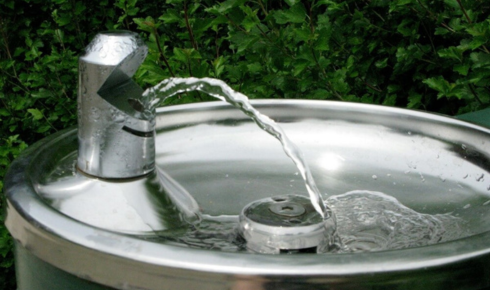
There’s something about the gentle sound of trickling water that feels timeless. For centuries, people have been drawn to flowing streams, springs, and fountains. Whether it’s the refreshing coolness on a hot summer day, or simply the way water softens the noise of a busy world, fountains have carved their place in human history. And surprisingly, their role today goes far beyond decoration.
A Brief Look Back
Fountains aren’t just a modern design trend. If you step back into history, they’ve always had an important purpose. In ancient Rome, aqueducts carried water for entire cities, and water fountains became both a functional and cultural centerpiece. They weren’t only about beauty; they provided drinking water to ordinary citizens. Fast forward to the Renaissance, and you’d find extravagant fountains in palace courtyards, symbolizing wealth and artistic genius.
Even now, those old-world fountains stand as proof of how water connects us — as a resource, a luxury, and an element of peace.
Why Fountains Still Matter
In today’s world, fountains serve a slightly different purpose, but the idea is still the same: water should be accessible, refreshing, and inviting. You’ll see them in parks, schools, gyms, and airports. Unlike decorative stone fountains of the past, these modern installations focus on health, hydration, and sustainability.
And let’s be honest, we don’t always carry a bottle around. Having access to clean drinking water in public spaces is a small but essential convenience we often overlook.
The Rise of Filtered Solutions
Of course, just putting a fountain on the corner isn’t enough anymore. People have grown more conscious about what they drink. Concerns about taste, safety, and environmental impact have reshaped the way we think about public hydration. That’s where filtered water fountain systems step in.
Instead of relying on outdated plumbing or unfiltered tap connections, these systems combine modern filtration technology with the convenience of a public dispenser. They remove impurities, keep the water tasting fresh, and reduce the need for disposable plastic bottles. If you’ve ever used one of those fountains that also lets you refill a reusable bottle, you’ve probably felt that mix of relief and gratitude.
It’s a small upgrade with big consequences: less plastic waste, better health, and more trust in public water sources.
Commercial Spaces and Practical Benefits
Walk into any busy building — say a shopping mall, office tower, or university — and you’ll notice something: people need water. It’s not optional. That’s why a Commercial Water Fountain isn’t just a “nice-to-have.” It’s practically mandatory.
Facility managers know that providing access to clean water boosts comfort, productivity, and even overall safety. Imagine a gym without a water source, or an airport terminal without fountains. The frustration would be immediate. These fountains aren’t flashy, but they keep the wheels of daily life running.
Businesses are also catching on that installing the right system sends a strong message. It shows care for employees, visitors, and even the planet by cutting down on single-use plastics.
Beyond Utility: The Human Side
It’s funny how such a simple fixture can carry so much meaning. Think of a fountain in a public park on a hot afternoon. Families gather, joggers stop for a sip, kids laugh as water spills onto their faces. Or in a corporate office, where a quick refill break becomes a chance to chat, breathe, and reset before the next meeting.
These everyday moments may seem small, but they add up. Fountains foster connection, encourage healthier habits, and remind us that hydration is a shared human need.
The Environmental Edge
Another aspect worth highlighting is sustainability. We’ve all seen the staggering statistics about plastic bottle waste. Billions of bottles end up in landfills or oceans every year. Reusable bottles paired with modern fountains can make a noticeable difference. It’s one of those rare solutions that’s both convenient and eco-friendly.
When people have easy access to clean water in public, they’re far less likely to buy single-use bottled water. It’s a ripple effect — fewer bottles manufactured, transported, and thrown away. Over time, that ripple becomes a wave of change.
Choosing the Right Fountain
Not all fountains are created equal. For businesses, schools, or city planners, choosing the right model makes all the difference. Factors like foot traffic, location, and maintenance needs play a role. Some spaces may need high-capacity bottle-fill stations, while others do better with compact wall-mounted designs.
Filtration systems should also be a priority. After all, what’s the point of offering water if people don’t trust it? Modern units often feature multi-stage filters that handle everything from chlorine taste to microscopic contaminants.
A Blend of Function and Aesthetics
Even in their simplest form, fountains carry an aesthetic quality. Stainless steel models fit sleekly into modern architecture, while freestanding outdoor units can complement natural surroundings. They may not be as ornate as Renaissance masterpieces, but they still bring a subtle beauty to their environment.
And yes, they’re still capable of creating that calming sound of flowing water, especially in outdoor spaces. Even practical systems can bring a sense of ease and presence.
Looking Ahead
As cities continue to grow and sustainability takes center stage, the importance of fountains will only increase. They’re not relics of the past; they’re tools for the future. Technology will likely improve efficiency further, with touchless designs, smart sensors, and real-time monitoring for water quality.
But at the heart of it all, the purpose stays the same: making clean, refreshing water available to everyone.
Final Thoughts
Fountains may feel ordinary, but they’re extraordinary in the quiet role they play in daily life. They connect ancient traditions with modern innovation, blending beauty with practicality. From ornate sculptures in historic squares to sleek bottle-fill stations in airports, they remind us of something simple yet powerful: water should always be within reach.
So the next time you stop at one, take a second to appreciate it. That moment of refreshment isn’t just about quenching thirst — it’s a reminder of history, sustainability, and our shared humanity.


