

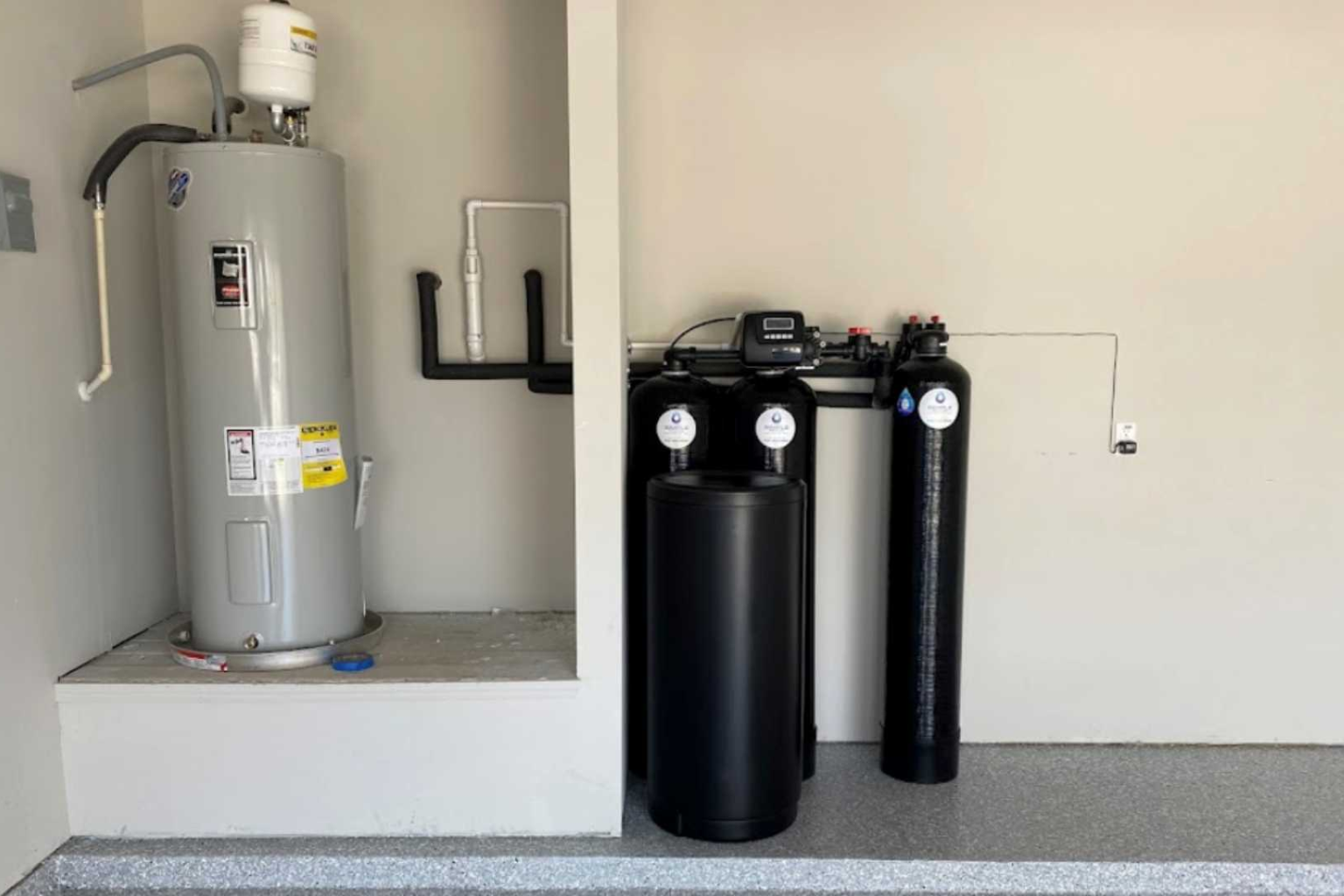
There’s something oddly comforting about turning on the tap and watching water flow. It feels simple, automatic — almost invisible in our daily routines. Yet beneath that everyday convenience lies a surprisingly complex journey. Water travels through pipes, treatment facilities, storage systems, and sometimes even natural underground sources before it reaches your home.
And along the way, it collects more than just minerals. It can carry traces of chemicals, microscopic particles, and subtle impurities that don’t always change how it looks — but absolutely affect how it tastes, smells, and interacts with your body.
Most people don’t think much about this until they notice something feels… off. Maybe the water tastes metallic, leaves a chalky residue, or just doesn’t feel as refreshing as it should. That’s often the moment curiosity turns into action — and filtration becomes part of the conversation.
Why Water Quality Is More Than a Health Issue
When we talk about water quality, the conversation usually starts with health. And that makes sense — after all, we drink it every day.
But the impact of water goes far beyond hydration. It touches everything: cooking, cleaning, bathing, even how appliances perform. Poor-quality water can quietly influence daily life in ways that are easy to overlook but impossible to ignore once they improve.
For example, minerals in untreated water can build up inside pipes, reduce soap effectiveness, and create stubborn stains on sinks or glassware. Meanwhile, chemical residues can subtly alter flavor, making drinking water feel less enjoyable.
It’s not just about safety. It’s about experience — how water feels to use, how it supports comfort, and how seamlessly it fits into daily life.
The Technology That Makes Water Cleaner
One of the most effective ways to improve water quality is through reverse osmosis systems. Despite the technical name, the concept is actually straightforward.
Reverse osmosis works by pushing water through a semi-permeable membrane that blocks contaminants while allowing clean water molecules to pass through. This process removes dissolved solids, heavy metals, and even some microscopic impurities that traditional filters can’t capture.
What makes this technology especially valuable is its thoroughness. It doesn’t just improve taste or clarity — it fundamentally changes the purity level of water, bringing it closer to its natural state.
For homeowners, this often translates into a noticeable shift in everyday routines. Coffee tastes smoother. Cooking flavors become more vibrant. Even simple tasks like making tea or washing produce feel subtly different.
Understanding the Role of Filtration Layers
While reverse osmosis often gets the spotlight, it’s only part of a broader filtration process.
Most advanced systems rely on multiple stages, each designed to address specific types of contaminants. One of the key methods involved is membrane filtration, which acts as a physical barrier to trap particles, bacteria, and dissolved solids at the microscopic level.
This layered approach ensures that water is treated comprehensively rather than relying on a single filtering step.
Think of it like a security checkpoint with several layers of screening. Each stage removes different types of unwanted substances, resulting in water that’s significantly cleaner by the time it reaches your glass.
This multi-stage design is one reason why modern filtration systems are far more effective than older methods that relied on simple carbon filters alone.
Everyday Benefits That Go Beyond the Obvious
What surprises many homeowners is how quickly they notice practical improvements after installing advanced filtration.
For starters, the taste difference is immediate. Clean water feels crisp, neutral, and refreshing — without the lingering aftertaste that untreated water sometimes carries.
But the changes don’t stop there.
Filtered water interacts better with soap and detergents, which means cleaning becomes easier. Glassware dries without streaks. Clothes feel softer after washing. Even skin can feel less irritated after bathing.
These everyday shifts might seem small individually, but together they create a more comfortable living environment.
A Long-Term Investment in Health and Convenience
Beyond convenience, access to purified drinking water offers long-term benefits that extend into both health and lifestyle.
When water tastes better and feels cleaner, people naturally consume more of it. That increased hydration supports overall well-being without requiring major lifestyle changes.
At the same time, reducing reliance on bottled water helps lower plastic waste and saves money over time. It’s a practical step toward sustainability that fits seamlessly into daily routines.
And perhaps most importantly, cleaner water reduces the burden on plumbing systems and appliances, helping them operate more efficiently and last longer.
Why Clean Water Feels Like a Subtle Upgrade
Unlike major home renovations, water filtration doesn’t dramatically change how a house looks. There’s no visible transformation, no flashy improvement.
Instead, the benefits appear gradually — in better-tasting meals, more comfortable showers, and smoother daily routines.
Over time, these small changes add up to something meaningful. Water becomes less of a concern and more of a reliable foundation for everyday living.
It’s a quiet upgrade, one that works in the background without demanding attention.
The Bigger Picture of Water Quality
As awareness grows about environmental sustainability and personal wellness, water filtration is becoming less of a luxury and more of a practical necessity.
People are beginning to understand that clean water isn’t just about avoiding problems — it’s about enhancing quality of life.
From improving taste and comfort to protecting household systems, effective filtration transforms water from a basic utility into a dependable asset.
And perhaps that’s the most important takeaway: when water is truly clean, you don’t have to think about it at all. It simply supports your daily life — quietly, consistently, and reliably — exactly the way it should.


