Water is one of those things we only notice when it stops cooperating. Most days, it behaves perfectly — flowing when we need it, disappearing when we’re done, staying invisible in the background. But behind that simple convenience lies an entire world of machinery working around the clock.
And at the center of it all? Pumps.
They don’t get much attention. No one really brags about their water pump at a dinner party. But without them, daily life would look very different. Showers wouldn’t start on time. Irrigation systems wouldn’t reach crops. Homes relying on wells would simply go dry.
The fascinating thing is that not all pumps are built the same. Each type is designed with a very specific purpose, solving a very particular problem.
When Water Lives Deep Underground
For homes that rely on groundwater, accessing water isn’t as simple as turning a tap connected to municipal lines. The water often sits dozens or even hundreds of feet below the surface.
This is where submersible well pumps play an essential role. Installed directly inside the well, they push water upward rather than pulling it, which makes them highly efficient for deep water sources.
There’s something almost poetic about how they operate. Hidden far below, surrounded by darkness and silence, they work tirelessly without anyone seeing them. Homeowners often forget they exist — until they stop working, and suddenly the absence is impossible to ignore.
What makes them particularly valuable is their durability. With proper installation and maintenance, these pumps can run reliably for years, quietly providing a steady flow that supports everyday living.
The Simpler Challenge of Shallow Sources
Not all water systems require deep-well solutions. In many areas, groundwater sits much closer to the surface. While this reduces complexity, it still requires the right equipment to ensure efficient delivery.
That’s where shallow well jet pumps come into the picture. Unlike submersible models, these pumps are typically installed above ground and use suction to draw water upward.
They’re often preferred for their accessibility and ease of maintenance. If adjustments or repairs are needed, homeowners don’t have to deal with underground components.
What’s interesting is how these systems represent a balance between simplicity and effectiveness. They may not operate at extreme depths, but they’re incredibly dependable for the conditions they’re designed to handle.
Moving Water Beyond Wells
Pumps aren’t limited to groundwater applications. In fact, some of the most versatile models are designed to move water across large distances within infrastructure systems.
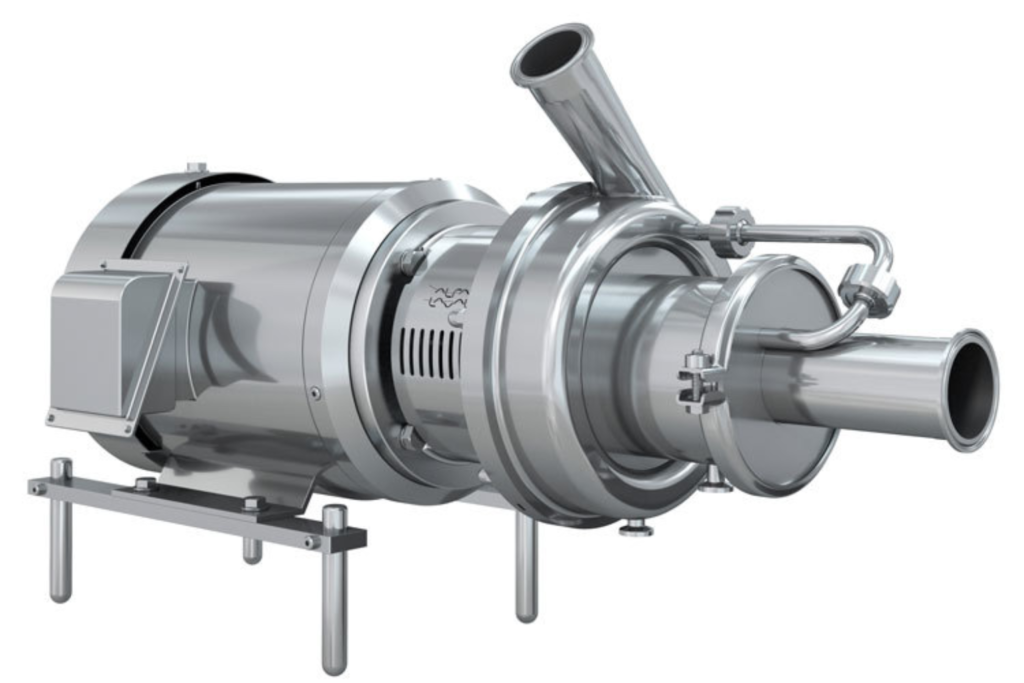
End suction centrifugal pumps are widely used in everything from irrigation systems to industrial water circulation. Their design allows water to enter from one end and exit with increased velocity, making them ideal for handling large volumes efficiently.
These pumps are often found in commercial buildings, agricultural facilities, and municipal water systems. They may not be visible to homeowners, but they play a critical role in supporting broader water networks.
What makes them fascinating is their adaptability. With different configurations, they can handle a wide range of pressures and flow requirements, making them one of the most commonly used pump types worldwide.
The Emotional Comfort of Reliable Water
It might seem odd to talk about pumps in emotional terms, but reliable water delivery creates a sense of stability in daily life.
Think about it — when water flows smoothly, routines feel effortless. Morning showers happen without hesitation. Appliances work predictably. There’s no need to worry about sudden disruptions.
But when a pump fails, the impact is immediate. The inconvenience can feel surprisingly stressful because it interrupts something we usually consider automatic.
This contrast highlights how deeply we depend on these systems, even if we rarely think about them.
Why Maintenance Often Gets Ignored
One of the biggest challenges with pump systems is that they’re largely hidden from view. Out of sight often means out of mind.
Many homeowners only consider maintenance after performance declines. Reduced pressure, unusual noises, or inconsistent flow are usually the first signs that something isn’t right.
Routine inspections, however, can prevent most problems. Checking electrical connections, monitoring pressure behavior, and ensuring components remain free of debris can significantly extend pump lifespan.
Preventive care may not seem urgent, but it can save considerable time and expense in the long run.
A Shift Toward Smarter Water Management
In recent years, there’s been growing awareness about the importance of water infrastructure. As climate conditions change and populations grow, efficient water management has become more critical than ever.
Modern pump systems now incorporate energy-efficient designs, automated monitoring, and smart controls that help optimize performance while reducing environmental impact.
This evolution reflects a broader shift in how people view water — not as an unlimited resource, but as something that requires thoughtful stewardship.
The Quiet Engines of Modern Life
At the end of the day, pumps represent one of the most underappreciated technologies supporting modern living. They don’t demand attention or recognition. They simply work.
From deep wells to irrigation systems, from household water supply to large-scale infrastructure, pumps ensure that water moves exactly where it’s needed.
And perhaps that’s their greatest strength — their ability to remain unnoticed while performing an essential task.
Because when everything functions smoothly, we rarely stop to think about what makes it possible.
But behind every flowing faucet and steady irrigation system lies a network of pumps quietly doing their job — keeping water moving, day after day, without asking for credit.
And in many ways, that silent reliability is what makes them truly remarkable.