

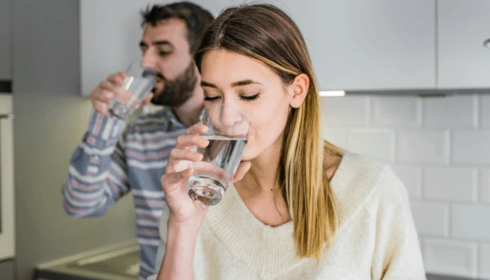
If you’ve recently installed a water softener—or moved into a home with one—chances are you’ve looked at your glass of water and asked yourself, “Is it okay to drink this?” You’re not alone. It’s one of the most common questions people have about soft water, and for good reason. It feels different. Sometimes it tastes a little different, too. So, naturally, the concern is real.
Let’s unpack this whole soft water thing with a touch of common sense, a bit of science, and zero robotic jargon. No fear tactics. No clickbait claims. Just thoughtful answers to help you sip with confidence.
What Makes Water “Soft” Anyway?
Hard water contains minerals—mostly calcium and magnesium. These minerals aren’t harmful to drink, but they are a nightmare for your pipes, your water heater, your dishwasher, and even your skin. They cause buildup, reduce efficiency, and leave spots on just about everything.
A water softener works by replacing those minerals with sodium (or potassium). It doesn’t purify water in the way a filter does, but it removes hardness. That’s why your water suddenly feels smoother. That slick feeling in the shower? It’s not leftover soap—it’s just soft water doing its thing.
But when it comes to the stuff in your glass, is it safe to drink soft water day in and day out?
The Sodium Factor: Should You Be Concerned?
This is usually where people start to worry—because the softening process involves sodium. But here’s the thing: it’s a very small amount. Unless you’re softening extremely hard water, the added sodium is minimal. To put it into perspective, an 8-ounce glass of soft water might contain 20 to 30 mg of sodium. That’s less than what’s in a slice of bread.
So, is drinking softened water bad for you if you’re a healthy adult? Not at all. In fact, most health professionals agree that the sodium content in softened water isn’t high enough to be a problem—unless you’re on a strict sodium-restricted diet.
Of course, if your doctor’s given you specific health guidelines, play it safe. You can always install a reverse osmosis system under your sink or use a bypass valve to keep your kitchen tap unsoftened.
What About Babies, Pets, and Coffee Lovers?
Let’s break this one down.
- Babies: Pediatricians often recommend using distilled or filtered water for infant formula, not because soft water is dangerous, but because babies have sensitive systems and need consistent mineral levels. So if you’ve got a newborn, stick to filtered water for feeding.
- Pets: Dogs and cats usually have no problem drinking soft water. Most pets handle it just fine. But if your furry friend turns up their nose at the bowl one day, don’t stress—just switch to filtered or unsoftened water and move on.
- Coffee lovers: This one’s subjective. Some people swear that soft water makes a smoother brew. Others claim it alters the flavor. If you’re super picky about your coffee or tea, you may want to experiment with a filtered tap for drinking and brewing.
If you’re still on the fence, you may be wondering: can you drink soft water every day without thinking twice? For most people, the answer is yes—with no side effects and plenty of convenience.
Taste, Texture, and Real-Life Impressions
One of the things that throws people off is how soft water feels. In the shower, it can feel slippery, almost like the soap won’t rinse off. That’s actually a sign it is rinsing—your skin just isn’t being stripped dry the way hard water does. But in the glass? Taste is where things get personal.
Some people don’t notice anything at all. Others say it tastes “flatter” or “smoother.” And yes, in areas where the original water is very hard, softening it may give it a slightly salty aftertaste—especially if you’re using sodium-based softeners.
If the flavor isn’t your thing, you’ve got options. Filter it. Bypass it. Bottle it. But rest assured, the water itself isn’t harmful.
Why You Still Want a Softener in the First Place
Even if you decide to bypass your softened water for drinking, don’t forget why you installed the system in the first place. Soft water:
- Prevents scale buildup in pipes and appliances
- Extends the lifespan of your water heater
- Makes laundry softer and brighter
- Reduces soap and detergent use
- Leaves your skin feeling smoother
- Keeps your dishes and glassware spot-free
It’s not just about what goes into your body—it’s about how your home runs, and how much money you’ll save over time. Soft water is a smart choice, especially in hard-water cities where scale and residue can do some real damage.
If You’re Still Unsure, Here’s a Simple Fix
Not 100% comfortable drinking soft water? That’s okay. You’re not alone.
Here’s what many homeowners do: they soften the water for the whole house but bypass the kitchen tap. Or they install a reverse osmosis (RO) system at the sink to filter out sodium and other minerals. You can even hook up your fridge water line to the filtered side.
This way, you get the best of both worlds—soft water for your pipes, filtered water for your glass.
Final Thoughts: Trust Your Tap, But Trust Yourself Too
At the end of the day, this isn’t about picking sides. It’s about being informed and doing what makes sense for you and your household.
Yes, is it safe to drink soft water? For most people, absolutely.
No, is drinking softened water bad for you? Not unless you have a specific medical reason to avoid sodium.
And yes, can you drink soft water and go on living your best, scale-free life? Totally.


