

If you’ve ever wondered why your glasses come out of the dishwasher with cloudy spots, or why your skin feels like sandpaper no matter how much lotion you use, you might be dealing with something quietly frustrating: hard water. It’s one of those household mysteries that most people notice only when it starts messing with daily comfort — and even then, we tend to shrug it off as “just the way the water is.” But the truth is, water hardness can vary wildly depending on where you live, and understanding it can save you a surprising amount of hassle (and money).
When “Hard” Isn’t About Strength
Let’s clear this up right away — “hard” water doesn’t mean tough or dangerous. It’s just a term used when your water has a higher concentration of dissolved minerals, mainly calcium and magnesium. These minerals are naturally picked up as water travels underground through rocks and soil before reaching your home.
A little bit of mineral content isn’t bad. In fact, calcium and magnesium are great for your body. But when they show up in excess, they start causing those annoying deposits — the chalky residue on faucets, the crusty buildup on showerheads, and the white rings that never seem to disappear no matter how much vinegar you scrub with.
If you’ve ever caught yourself wondering, how do you know if you have hard water, the answer is simpler than you might think: your home is probably already giving you hints.
Signs That Hard Water Might Be Living Rent-Free in Your Home
It’s not always easy to pinpoint hard water, because its signs creep in slowly. You might notice your clothes feeling rough or your hair losing that soft, clean bounce. Your soap doesn’t lather easily, and your shower glass starts looking permanently “frosted.” Those aren’t coincidences — they’re symptoms.
Here’s a quick rundown of the usual suspects:
- White spots on clean dishes or glasses
- A cloudy film on faucets or sinks
- Dry, itchy skin even after moisturizing
- Stiff laundry straight from the dryer
- Low water pressure from mineral buildup in pipes
If a few of those sound familiar, you’re not alone. Many households across Ontario experience it — and in some regions, it’s practically a given.
What’s the Deal With Kitchener’s Water?
Let’s take a closer look at kitchener water hardness, because it’s a great example of how location plays a big role. Kitchener’s water supply mainly comes from groundwater wells and a portion from the Grand River. Since groundwater naturally absorbs minerals from the rock and soil it moves through, it tends to have higher hardness levels than surface water sources like lakes.
Kitchener’s water hardness levels typically hover between 20 to 30 grains per gallon (that’s roughly 340 to 515 parts per million). To put that into perspective — anything above 10 grains per gallon is already considered “hard.” So yes, residents in Kitchener are dealing with pretty mineral-rich water.
That’s why it’s not uncommon for locals to notice scale buildup around their faucets or appliances wearing out faster than expected. Water heaters, kettles, and dishwashers are especially vulnerable. Over time, limescale acts like insulation — forcing these appliances to work harder and consume more energy.
The Canadian Connection: Hard Water Coast to Coast
You might be surprised to learn that canada hard water isn’t just a local Kitchener issue — it’s a national trend. Canada’s geology naturally contributes to higher water hardness levels, especially in areas that rely on groundwater. The Prairies, Southern Ontario, and parts of Alberta are particularly affected, where hardness readings can soar above 300 ppm.
Cities like Calgary and Regina, for instance, often report some of the hardest water in North America. On the other hand, regions drawing water from lakes — like Vancouver or Halifax — typically enjoy much softer water. It’s fascinating how geography quietly shapes our everyday experience, right down to how our soap behaves.
For many Canadians, this means investing in water softeners isn’t a luxury — it’s a necessity. They not only make cleaning easier but also extend the lifespan of appliances and plumbing systems.
The Subtle Costs of Hard Water
Hard water doesn’t damage your health, but it can hurt your wallet over time. Every appliance that uses water — from coffee makers to washing machines — faces the slow, relentless buildup of mineral deposits. It’s like cholesterol for your home’s plumbing system.
Imagine your water heater: as minerals collect inside, it becomes less efficient, using more energy to heat the same amount of water. The result? Higher utility bills and a shorter appliance lifespan. Even your clothes suffer. Hard water prevents detergent from rinsing out completely, leaving fabrics dull and scratchy.
The effects extend to your body too. Soap residue left behind on skin can cause dryness and irritation. Your hair might feel heavy, almost coated. And if you’ve got sensitive skin, it can make conditions like eczema worse.
Testing Your Water — Easy and Affordable
If you’re curious whether you have hard water, testing it is straightforward. Home test kits are available at most hardware stores and cost less than a dinner out. You simply dip a test strip in your tap water and compare the color against the provided chart.
Alternatively, some municipalities provide free or low-cost water tests through local utilities or environmental departments. It’s worth checking, especially if you’re noticing scale buildup or poor cleaning results.
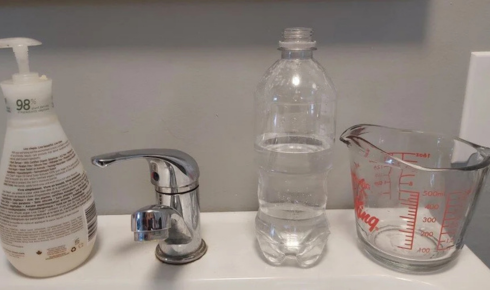
For a DIY method, you can also do the “soap test”: fill a bottle halfway with tap water, add a few drops of dish soap, and shake it. If the water foams easily and stays bubbly, you likely have soft water. If it barely lathers and looks cloudy — congratulations, you’ve got hard water.
Softening the Situation
If you do confirm hard water, there are several ways to tackle it. The most effective is installing a water softener system, which uses ion exchange to remove calcium and magnesium ions and replace them with sodium or potassium ions. It doesn’t just make your water “feel” better — it also helps your plumbing and appliances last longer.
For renters or those on a budget, faucet-mounted filters or showerhead softeners can provide short-term relief. You can also use cleaning products designed specifically for hard water — vinegar-based descalers work wonders for fixtures and kettles.
Over time, you’ll likely notice that your skin feels smoother, your hair looks healthier, and your dishes finally sparkle again.
Why It All Matters
It’s funny — something as invisible as mineral content can have such visible effects. Water quality shapes your home, your comfort, and even your sense of cleanliness. In places like Kitchener and much of Canada, hard water is almost part of the landscape, something homeowners quietly adapt to. But you don’t have to just live with it.
Addressing water hardness isn’t about being picky; it’s about making your life easier in the long run. Fewer repairs, lower bills, happier skin — all from understanding what’s in your tap.
A Final Thought
So, next time you catch yourself scrubbing that stubborn white ring off your faucet or wondering why your shampoo just won’t lather, take a pause. There’s a whole science behind those little frustrations. Whether you’re in Ontario, Alberta, or anywhere in between, your water tells a story — one that’s worth listening to.


