

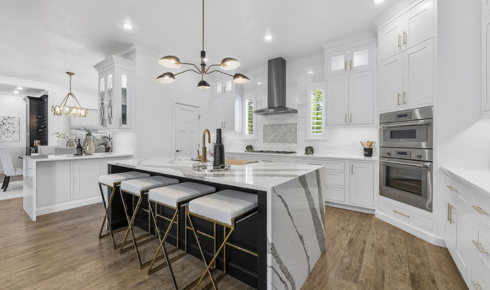
There’s something deeply personal about the way a home comes together. It’s not just about picking tiles or paint—it’s about how a space feels when the morning light hits the counter or when you take that first deep breath after a long day. Among all the corners of a home, the kitchen and bathroom quietly hold the most emotion. They’re practical, yes, but they’re also intimate. And when you think about how they shape our daily rhythm, you start to see that kitchen design and bathroom aesthetics are less about decoration—and more about lifestyle.
Where Form Meets Function
Designing a kitchen isn’t about throwing trendy ideas into a layout. It’s about flow. The way you reach for a coffee mug without bumping into a cupboard. The way light falls where you actually cook, not just where it looks good in photos. Every decision—from the type of countertop to the positioning of your island—affects how naturally you move.
A truly inspired kitchen design balances utility with warmth. Think natural materials that invite touch—brushed oak, matte stone, or soft-textured walls. It’s the sound of a kettle boiling, the aroma of roasted garlic, the subtle hum of an appliance hidden out of sight. The design becomes invisible in the best way possible, supporting your habits rather than dictating them.
The Heartbeat of a Home
There’s an unspoken truth among homeowners and designers alike: the kitchen is the emotional anchor of a house. It’s where mornings begin and nights wind down. Families drift in and out of it throughout the day like it’s magnetic.
But what makes it truly special isn’t the brand of your range hood or the cost of your countertop. It’s the sense of belonging that good design creates. A thoughtfully done kitchen remodel isn’t about showing off—it’s about making every inch work for your life. Whether you’re adding more prep space, opening the room for natural light, or creating a cozy breakfast nook, the small, intentional upgrades make the biggest difference.
Sometimes it’s as simple as rearranging things—moving the sink closer to the stove, adding under-cabinet lighting, or using drawers instead of doors for lower cabinets. Other times, it’s a full transformation. But in every case, when your kitchen finally “fits” your daily flow, it feels like the house has started breathing again.
Bathrooms: Where Quiet Luxury Lives
Then there’s the bathroom—a space that’s private, often overlooked, yet so full of design potential. It’s not just a utility room anymore. Modern bathroom design is all about personal sanctuary.
Imagine stepping into a warm, softly lit space with textures that soothe rather than overwhelm. Natural tones, soft lighting, and carefully chosen materials—like microcement walls or reclaimed wood shelving—turn even small bathrooms into something poetic. It’s the little details that transform them: a matte black faucet, a framed mirror that feels handcrafted, or a rain shower that mimics a gentle drizzle instead of a downpour.
Designing a bathroom today is less about following rules and more about how it makes you feel. Some prefer spa-like calmness; others crave bold, moody tones. The beauty lies in how design allows you to define your own kind of calm.
Trends That Actually Matter
Trends come and go, but the spaces that age beautifully always have one thing in common—authenticity. You can spot it in the imperfections: the handmade backsplash tile that isn’t perfectly aligned, the wooden stool with a story, the marble countertop that develops a patina over time. These “flaws” give a home its soul.
In kitchens, sustainability is leading the way—using reclaimed materials, energy-efficient appliances, and layouts that minimize waste. Open shelving and hidden storage strike a balance between display and practicality. Meanwhile, in bathrooms, texture is king. Natural stone, plaster walls, and greenery are replacing sterile, glossy surfaces. The goal isn’t perfection; it’s personality.
The Role of Light and Emotion
One thing most homeowners underestimate is lighting. It’s not just functional—it’s emotional. The soft glow of pendant lights over a kitchen island, the golden hue from a bathroom sconce, or the way daylight spills across a quartz countertop—these are moments of quiet luxury that no budget can fake.
Good lighting design shapes how you experience your home. It’s the reason some kitchens feel instantly inviting and others feel cold, even if they’re styled beautifully. Layered lighting—ambient, task, and accent—creates depth, warmth, and flexibility. The same goes for bathrooms: a dimmable wall light can make the space transition from morning brightness to nighttime serenity in seconds.
The Personal Touch
Ultimately, design isn’t about following Pinterest boards or magazine layouts. It’s about the stories we tell through space. A chipped mug that lives next to a polished espresso machine. A plant that thrives by the kitchen window. The framed photo you see every morning in the bathroom mirror.
Those are the things that make a house a home. Whether you’re tackling a major renovation or just tweaking small details, your intention is what brings harmony. Spaces that reflect who you are—not who the internet tells you to be—are the ones that last.
Closing Thought
When you strip away the design jargon and Instagram gloss, what remains is this: good design feels effortless. It grows with you, adapts to you, and becomes a quiet companion to your everyday rituals. The perfect kitchen isn’t just about where you cook—it’s where you connect. And the perfect bathroom isn’t just about where you wash—it’s where you reset.
So, before you start choosing tiles or sketching layouts, pause for a moment. Ask yourself what moments you want to create there. Because at its best, design doesn’t just decorate—it understands you.


