

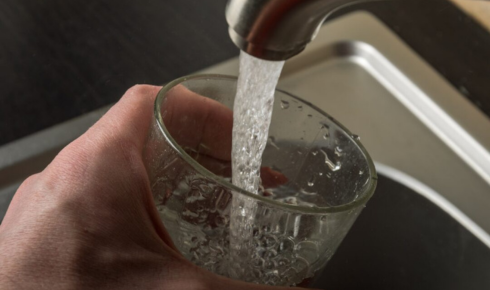
If you’ve ever lived in San Diego—or anywhere in Southern California—you’ve probably had that small, frustrating moment in the shower when your soap just won’t lather right. You rinse, and rinse again, but your skin still feels kind of… sticky. Your hair doesn’t seem clean-clean. Then you notice those chalky spots on your glasses, a faint white haze that laughs at the dishwasher.
You start wondering if it’s just you, or maybe your pipes. But it’s not. It’s the water.
It’s one of those little things that quietly becomes a big thing when you realize it affects nearly everything—your skin, your laundry, your coffee, even the lifespan of your appliances.
So, does san diego have hard water?
Oh, absolutely. In fact, San Diego is known for having some of the hardest water in California. Most of the city’s water comes from the Colorado River and Northern California via the State Water Project—both sources rich in dissolved minerals like calcium and magnesium.
Those minerals aren’t harmful to your health, but they do a number on your home. Over time, they leave behind scale buildup inside water heaters, faucets, and showerheads. They dry out your skin, dull your hair, and shorten the life of your plumbing system.
So, when you feel like your shampoo suddenly stopped working or your dishes always look “almost clean,” that’s not bad luck—it’s chemistry.
The Science Behind It (Without the Boring Bits)
Hard water happens when water passes through soil and rock that contain minerals. The more minerals it picks up, the “harder” it becomes. San Diego’s water, after its long journey through aqueducts and treatment facilities, retains a cocktail of these minerals—enough to make washing anything a mild challenge.
Here’s a fun (or frustrating) fact: water hardness is measured in parts per million (ppm). Soft water is below 60 ppm. San Diego’s averages hover around 270–300 ppm. That’s well above the “hard” category.
So yes, San Diego doesn’t just have hard water—it has stubbornly hard water.
How It Sneaks Into Everyday Life
It’s easy to underestimate the impact until you really notice it. The minerals in san diego hard water don’t dissolve easily. They cling to everything. Over time, they leave crusty rings around faucets and a milky film on shower doors.
You might notice your white clothes looking grayish or stiff even after washing. Or your once-efficient dishwasher taking twice as long and still leaving residue. Your skin? Drier than it used to be, no matter how fancy your lotion is.
It’s subtle, but constant. And that’s the real issue—it doesn’t break things overnight. It just quietly wears them down until one day you’re replacing a $1,200 water heater wondering how it failed so soon.
A Tale of Two Cities: San Diego and L.A.
What’s funny is that just up the coast, people are having the same conversation. Hard water Los Angeles is another well-known frustration. Both cities rely on imported water with high mineral content, though the mix varies slightly.
L.A.’s water tends to be a little less hard than San Diego’s on average, but it’s still enough to cause similar problems. The difference is often felt in how locals talk about it. In San Diego, hard water feels like a constant uphill battle. In L.A., it’s more of an occasional annoyance.
Either way, most SoCal residents end up taking similar steps: installing softeners, using vinegar rinses on glassware, and swapping expensive shampoos that promise miracles but can’t outsmart mineral buildup.
Why So Many Californians Are Installing Filtration and Softening Systems
A lot of homeowners have started treating their water as part of their home’s “wellness.” It’s not just about taste anymore—it’s about comfort and longevity. Water softeners and filtration systems help remove or neutralize those hardness minerals before they can cause problems.
For some, the change is instantly noticeable. The water feels “lighter.” Soap lathers better. Showers feel cleaner. And perhaps best of all, no more chalky residue clinging to glass or tile.
Others appreciate the behind-the-scenes benefits—less scale in pipes, lower maintenance for appliances, and even improved energy efficiency in water heaters.
It’s one of those home upgrades that pays for itself over time, even if it’s not flashy or visible.
But Wait—Isn’t Hard Water Safe to Drink?
Technically, yes. Hard water isn’t dangerous; in fact, it contains minerals that are beneficial in small doses. The problem isn’t about safety—it’s about convenience, comfort, and cost.
Think of it this way: drinking hard water won’t harm you, but living with it can slowly chip away at your home and patience. It’s like sand in your shoes—it doesn’t ruin your day, but you’d rather not deal with it.
And when you realize how much easier life feels after softening or conditioning your water, you start to wonder why you waited so long.
A Local Perspective
San Diego’s geography doesn’t do it any favors. Between the imported water sources and local infrastructure, there’s really no escaping hardness unless you intervene at the household level.
Many residents start with small fixes—vinegar cleaning tricks, rinse aids, special soaps—but eventually, most realize those are just Band-Aids. A proper water treatment system is the only real solution if you want lasting results.
That said, the right choice depends on your home, your preferences, and your environmental values. Some people go for traditional salt-based softeners; others prefer newer, salt-free options that condition rather than replace minerals. Both have their merits.
Living with (and Without) Hard Water
Once you’ve experienced the difference, it’s hard to go back. You start noticing things you never paid attention to before: how soft your towels feel, how your hair dries smoother, how the shower doors stay clear.
It’s not dramatic—it’s just better. Quieter. Easier. The kind of everyday comfort that adds up, quietly improving your quality of life in ways you didn’t expect.
And while hard water is a fact of life in San Diego, it doesn’t have to define your experience living here. Like most things, once you understand the problem, the solution becomes surprisingly simple.


