

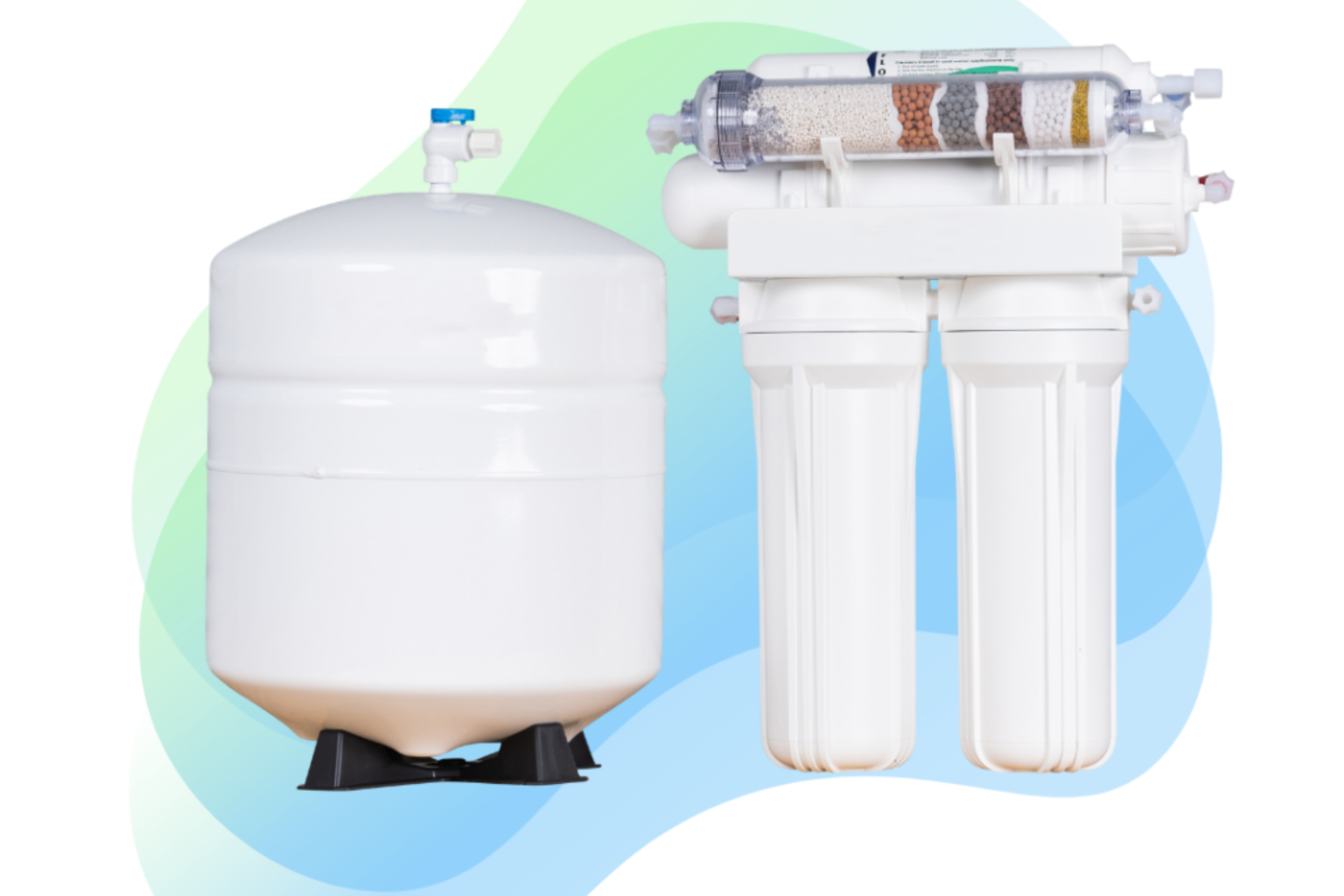
Water is one of those things we assume will always work. Turn the handle, it flows. Pay the bill, it continues. Simple. Except it’s not always that simple — especially when you start noticing the little things. A strange odor. Pressure that dips at the worst moment. Stains in sinks you swear weren’t there last month.
For homeowners and business owners alike, water quality and system upkeep rarely feel urgent… until they suddenly do. And by then, you’re scrambling for answers.
The better approach? Think about water management before it becomes a problem.
Not All Water Is Created Equal
One of the biggest misconceptions is that water systems are universal. They aren’t. The needs of a downtown café are wildly different from those of a rural farmhouse. Even two homes on the same street can have slightly different water challenges depending on plumbing age and local infrastructure.
Municipal supplies operate under structured guidelines, and many areas outline their infrastructure and treatment strategies through detailed city water plans. These plans determine how water is sourced, disinfected, and delivered. For most households connected to city lines, this provides a stable baseline of quality.
But “baseline” doesn’t always mean ideal.
City water often contains disinfectants like chlorine. It may carry trace minerals or sediments picked up along distribution lines. While generally safe, it can still require additional filtration or conditioning to match your comfort level.
Understanding where your water originates is the first step toward deciding how to maintain or enhance it.
The Unique Reality of Private Wells
If your home relies on groundwater instead of a municipal system, the equation changes entirely. Private well owners don’t have a city agency continuously monitoring water quality. The responsibility falls on the property owner.
That’s why tailored well water plans are so important. Wells can contain naturally occurring minerals, iron, manganese, or even bacteria depending on geography and environmental conditions. Testing becomes essential, not optional.
A good well water plan includes regular testing schedules, filtration recommendations, and clear steps for maintenance. It’s proactive rather than reactive. And it gives homeowners peace of mind knowing they’re not guessing about what’s flowing into their kitchens and bathrooms.
Well systems often require more hands-on oversight — but with the right plan in place, they can deliver excellent water quality consistently.
Businesses Can’t Afford Water Problems
Now, let’s shift perspective to commercial settings.
In a restaurant, poor water quality can affect everything from beverage taste to equipment lifespan. In a medical office, reliability is non-negotiable. In manufacturing environments, mineral buildup can compromise machinery.
That’s where structured commercial maintenance programs come in. Businesses don’t have the luxury of waiting for something to fail. Preventative service agreements ensure filtration systems are inspected regularly, filters are replaced on schedule, and potential issues are addressed early.
It’s about minimizing downtime. A water heater malfunction in a busy café isn’t just inconvenient — it’s revenue lost. Routine maintenance protects both infrastructure and reputation.
And honestly, it reduces stress. When someone else is monitoring the system, you’re free to focus on running your business.
Maintenance Isn’t Just About Repairs
Whether residential or commercial, maintenance shouldn’t feel like a last resort. The word itself often sounds reactive — like something you do after a breakdown. But effective water management is preventative.
Regular inspections catch sediment buildup before it clogs lines. Filter replacements prevent strain on pumps. Pressure checks ensure consistent flow. These small interventions extend the life of equipment and reduce unexpected repair costs.
Think of it like changing the oil in your car. Skip it long enough, and you’ll pay far more later.
Choosing a Plan That Fits Your Life
The right water plan depends on several factors: your water source, property size, usage demands, and personal preferences. A single-family home connected to municipal supply may only need periodic filter changes and water testing. A rural property with a private well might require a more comprehensive schedule.
Commercial spaces typically benefit from formalized maintenance agreements with clear service intervals.
The key is alignment. Your plan should reflect how your property uses water — not just what someone else recommends generically.
The Emotional Side of Water Reliability
It might sound dramatic, but water reliability influences your sense of stability.
When your shower pressure drops unexpectedly, it disrupts your morning. When a sink backs up in a busy restaurant, stress levels spike. When you question whether your well water is safe to drink, it lingers in the back of your mind.
A thoughtful water management plan removes that background anxiety.
You don’t think about it daily — and that’s exactly the goal. Water should support your routines quietly, without demanding attention.
Long-Term Thinking Pays Off
Investing in the right plan now often prevents larger expenses later. Equipment lasts longer. Energy efficiency improves. Emergency service calls decrease.
And perhaps most importantly, your relationship with your water changes. Instead of reacting to issues, you feel in control.
That shift — from uncertainty to confidence — is subtle but meaningful.
Bringing It All Together
Whether you’re evaluating city-supplied water, managing a private well, or overseeing a commercial property, the principle is the same: proactive care outperforms reactive fixes.
Understand your source. Test regularly. Maintain consistently. Choose a plan that fits your environment and usage patterns.
Water may seem ordinary, but its reliability shapes daily life in ways we rarely acknowledge.
When you take the time to manage it thoughtfully, you’re not just protecting pipes and pumps. You’re protecting routines, comfort, and the quiet confidence that comes from knowing something essential is working exactly as it should.


